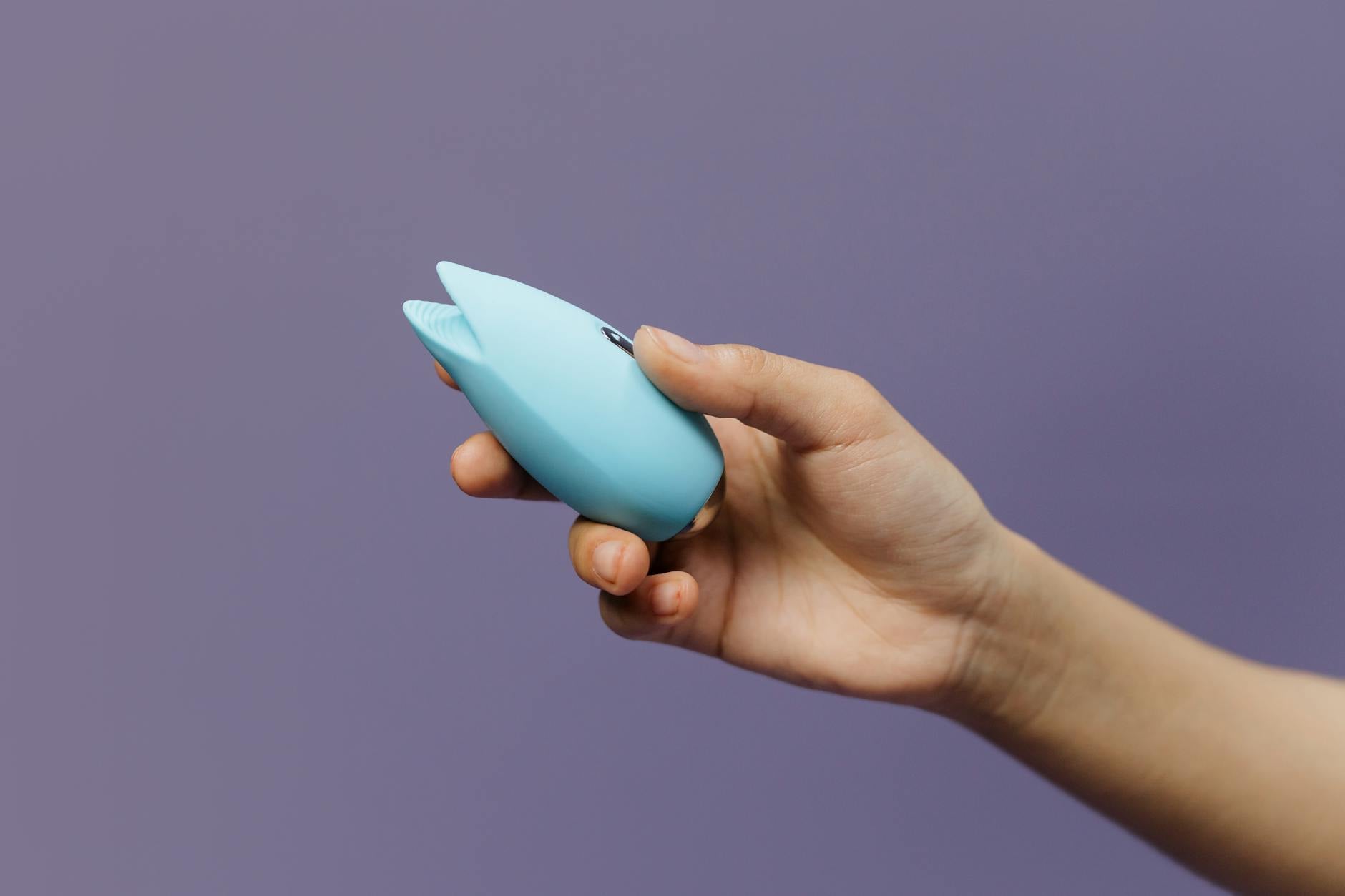
Why Lemon Vibrators Feel Different in Your 40s Than in Your 20s
Here's the thing nobody tells you
Your body's response to pleasure is not static. The lemon vibrator that felt incredible at 25 might feel completely different at 45. That's not a loss. It's actually data.
Most conversations about pleasure across decades focus on what's declining. Hormone levels drop, sure. Tissue changes. Recovery time shifts. But the narrative stops there, leaving you thinking the best years are behind you. They're not. What's actually happening is more nuanced and, honestly, more interesting.
What physically changes between your 20s and 40s
Let's start with the nervous system. Your clitoral nerve density doesn't change over time, but how those nerves fire does. In your 20s, arousal can spike quickly. You might notice physical response within seconds of stimulation. Your body is primed to respond fast because evolutionarily, that made sense for your reproductive window.
By your 40s, arousal builds more gradually. This isn't a deficit. It's a shift. Your nervous system is asking for more context, more presence, more intentionality. That slower ramp-up actually allows for deeper sensation if you lean into it instead of fighting it.
Estrogen and testosterone also shift across decades, particularly as you approach midlife. These hormones affect blood flow to the clitoris, vaginal lubrication, and how sensitive nerve endings feel. For many people, this means initial stimulation doesn't produce the same immediate tingling sensation it once did. Your tissues are different. Your baseline is different.
Your pelvic floor also loses some elasticity as collagen production decreases. This can change how orgasms feel. Some people report that orgasms become more localized and intense rather than full-body. Others find they take longer to build but feel more complex once they arrive.
Why sensation intensity actually changes
Here's where it gets interesting. In your 20s, the clitoris is highly responsive to broad, varied stimulation. A lemon vibrator at full intensity might feel fantastic. But in your 40s, that same intensity can feel overwhelming or numbing rather than pleasurable. This isn't weakness. It's specificity.
As we age, the clitoral glans (the visible part) becomes relatively more sensitive to targeted, sustained pressure compared to rapid changes in sensation. This is why many people in their 40s find that air-suction toys like the Lem work better than they did in their 20s. The suction creates consistent, building pressure rather than variable vibration patterns.
Your brain also plays a role. Attention and presence actually increase pleasure more as you get older because you've learned what works and you're less distracted by external validation. You're touching yourself for you, not to check a box or prove something. That mental shift changes the entire experience.
Arousal timing is slower, but fuller
One of the most common shifts my clients report is that they need longer to warm up. At 25, you might have been ready in five minutes. At 45, you might need 15 or 20. Most people treat this as a problem. I treat it as an invitation.
That extended warm-up period gives your nervous system time to really prepare. Blood is flowing to your genitals more gradually. Your pelvic floor is engaging more consciously. Your attention is deepening. By the time you reach the same intensity of sensation you could access instantly at 25, you're also present in a way that younger you might never have been.
This is also why lubrication patterns change. In your 20s, you might have self-lubricated quickly and abundantly. In your 40s, your body might produce less lubrication, or it might come later in the arousal process. Neither is better or worse. Both require you to adjust. Using a water-based lubricant becomes less of a medical intervention and more of a tool that lets you focus on sensation instead of friction.
Orgasm texture changes (and usually improves)
I want to be direct here because so many people assume orgasms get worse with age. They often get different. Sometimes they get better.
In your 20s, orgasms might have been quick, intense, and sometimes multiple. Very reliable. Very responsive to physical stimulation alone. In your 40s, orgasms often require more mental engagement. They can feel deeper, longer, and more textured. Some people experience more intense orgasms in their 40s than they ever did before, but only if they adjust their approach.
The shape of pleasure changes too. Instead of a sharp peak and quick descent, you might experience a longer plateau, or a multi-wave pattern, or an orgasm that starts more gently but builds to something more complex. That's not a downgrade. That's your body showing you a new version of pleasure.
How to use a lemon vibrator differently in your 40s
If you're a long-time lemon vibrator user, here's what I recommend adjusting:
Start lower. If you've been gravitating to intensity levels 4 or 5 on your Lem, try beginning at level 1 or 2. Let your tissues warm up to higher intensity instead of shocking them into response. This also helps you notice subtler sensations you might have been bypassing.
Extend your warm-up. Spend 10 to 15 minutes on broader clitoral stimulation before you focus the vibrator's suction on your clitoral glans. Let arousal build. Your body is asking for patience, not because it's broken, but because that's how it feels best now.
Experiment with patterns you skipped. Your Lem has multiple suction patterns. In your 20s, you probably found one that worked and stuck with it. In your 40s, that pattern might feel one-dimensional. Try the ones that seemed too subtle or too fast. Your sensitivity has changed enough that what was uninteresting before might be exactly right now.
Add external factors. Your 40s brain benefits from context. Dimmed lighting, a specific scent, focused time away from distractions. These aren't frivolous. They're part of how pleasure works at this age. Your nervous system is responding to the whole environment, not just physical touch.
Use lubrication intentionally. This isn't about compensation. It's about optimization. The right lube lets the suction on your Lem work more effectively and reduces friction that can feel irritating rather than pleasurable on more sensitive tissue.
The pleasure advantage you gain
Most conversations about aging and sexuality frame it as loss. Less responsive. Longer to build. Less frequent. But that's incomplete.
In your 40s, you typically know your body better. You're less interested in performance. You're more willing to ask for what feels good. You've usually had enough experience to recognize what's actually pleasurable versus what you thought was supposed to feel pleasurable. That's a massive advantage.
Many of my clients report that their most satisfying intimate experiences have come in their 40s or beyond, often specifically because they stopped trying to replicate how their 25-year-old bodies responded and started exploring how their current bodies actually work. The lemon vibrators that felt good at 20 are still good. But the ones that feel good at 40 are often better because they match where you actually are.
Your pleasure hasn't declined. It's matured. The tools you use should mature with you.
Recalibrating expectations
Here's what I need you to release: the idea that your 20s set the standard. They didn't. Your 40s are the standard now. Your body is asking you to slow down, pay attention, and show up more fully. That's not a compromise. That's an upgrade.
If something that used to work now feels meh, it's not because you're broken. It's because you've changed, and your approach needs to change too. Explore lower intensities. Add more time. Try patterns you haven't used. Pay attention to what actually feels good instead of what you think should feel good.
The Lem vibrators and other clitoral vibrators from Hallo Nancy Lemons are designed with this kind of adaptability in mind. Different intensities, different patterns, different pressure options. They're built for bodies that evolve, not bodies that stay the same.
Your sexuality across decades isn't a line that peaks and declines. It's a landscape that changes. Some valleys. Some new peaks. Some views you couldn't see from where you were standing before. You just have to be willing to explore it.
Common questions about pleasure changes in your 40s
Why does my lemon vibrator feel different than it did five years ago?
Tissue sensitivity, hormone levels, and nerve responsiveness all shift gradually across your life. What felt intensely pleasurable at 35 might feel too strong at 40, or conversely, too subtle. Your body isn't malfunctioning. It's changing. Starting at lower intensity settings and working your way up typically solves this. You're also likely more aware now of what subtly pleasurable feels like, whereas younger you might have wanted obvious, intense sensation.
Do I need to replace my vibrator as I get older?
Not necessarily. But you might need to use it differently. Lower settings, longer warm-up, different patterns, added lubrication. If you've been using your Lem the same way for years and it suddenly feels off, try changing your approach before assuming the toy is the problem. That said, exploring new tools designed for the pleasure shifts of midlife can be really worthwhile.
Is it normal to need more time to reach orgasm in your 40s?
Completely. In fact, it's the most common pleasure-related shift people report. Your nervous system isn't slower. It's asking for more engagement. This is actually an opportunity. That extended arousal window allows for deeper presence, more sensation, and often more complex orgasms. If you're impatient with the timeline, try reframing it as depth instead of delay.
Can hormonal changes actually affect how vibrators feel?
Absolutely. Estrogen and testosterone affect blood flow to genital tissue, lubrication production, and nerve sensitivity. If you're approaching menopause or already post-menopausal, you might notice your vibrator feels different. This doesn't mean you're losing capacity for pleasure. It means you need to adjust your technique. Longer warm-up, more lubrication, potentially lower intensity settings. Many people find that once they make these adjustments, their pleasure deepens significantly.
What if my partner doesn't understand why I need to approach pleasure differently now?
This is worth a direct conversation separated from intimate time. "My body is different now, and here's what feels good" is different from "I'm not responding to what used to work." Help them understand it's not about them or your desire for them. It's about how your nervous system has evolved. If your partner is interested in understanding, suggesting they read something like this together can help. If they're resistant to the idea that your body has changed, that's a different conversation worth having.
Is it true that pleasure gets better in your 40s?
For many people, yes. But not automatically. It gets better if you're willing to learn how your body works now instead of trying to recreate how it worked then. You've got more sexual experience. You know yourself better. You're typically less concerned with performance. Those advantages are real. The transition to a different kind of arousal and pleasure takes intentionality, but it often leads somewhere richer than where you started.
The takeaway
Your 40s aren't a dimmer version of your 20s. They're a different frequency altogether. Your clitoral vibrators, including lemon vibrators from Hallo Nancy Lemons, are tools flexible enough to work with your body across decades. But the magic is in paying attention to what's actually happening now instead of mourning what used to happen then.
Your pleasure matters at every age. It just looks different now. And honestly? That's worth exploring. If you have questions about how to navigate these shifts or want support thinking through what your pleasure could look like now, reach out. I'm here to help you actually enjoy the body you have today.
For more on how to adapt your approach during other major life transitions, check out how to use a lemon vibrator when clitoral sensitivity peaks in your 30s or explore how to use a lemon vibrator after postmenopause when hormonal shifts peak.
This article is for informational and educational purposes. If you're experiencing significant changes in sexual response that concern you, or if you have pain during arousal or sex, consult a gynecologist or healthcare provider specializing in sexual health.