Let's start with the thing nobody talks about
Your appetite for pleasure doesn't disappear at 50. It hibernates. And there's a real, biological reason for that, which also means there's a real, biological way back.
Most of what you've heard about desire declining with age frames it as inevitable loss. That's incomplete. Yes, hormones shift. Yes, life gets busier, bodies change, and the novelty-seeking part of your brain quiets down. But the capacity for pleasure? That stays intact. And sometimes, after you understand what's actually happening, it gets better than it was before.
Why appetite actually drops (it's not all in your head)
Let's separate two things. There's desire, which is hormonal and neurochemical. There's also interest, which is psychological. They're tangled together, which makes everything confusing.
On the hormonal side: estrogen, testosterone, and dopamine all decline gradually after 40. Estrogen drops means vaginal tissue thins and lubrication takes longer. Testosterone (yes, people with ovaries produce it) drops means spontaneous arousal becomes rarer. Dopamine decline means the reward circuitry that made new sensations feel thrilling gets quieter.
On the psychological side: decades of partnership can feel routine. Work stress gets heavier. Mortality becomes visible in ways it wasn't at 30. Your body might feel unfamiliar to you after surgery, illness, or weight shifts. You've absorbed the cultural narrative that sexy is a young person's game. All of that erodes appetite faster than hormones alone would.
Here's what hasn't changed: the neural pathways that create orgasm. The capacity of your clitoris to feel pleasure. Your brain's ability to be surprised and delighted.
Why a lemon clitoral vibrator works differently as you age
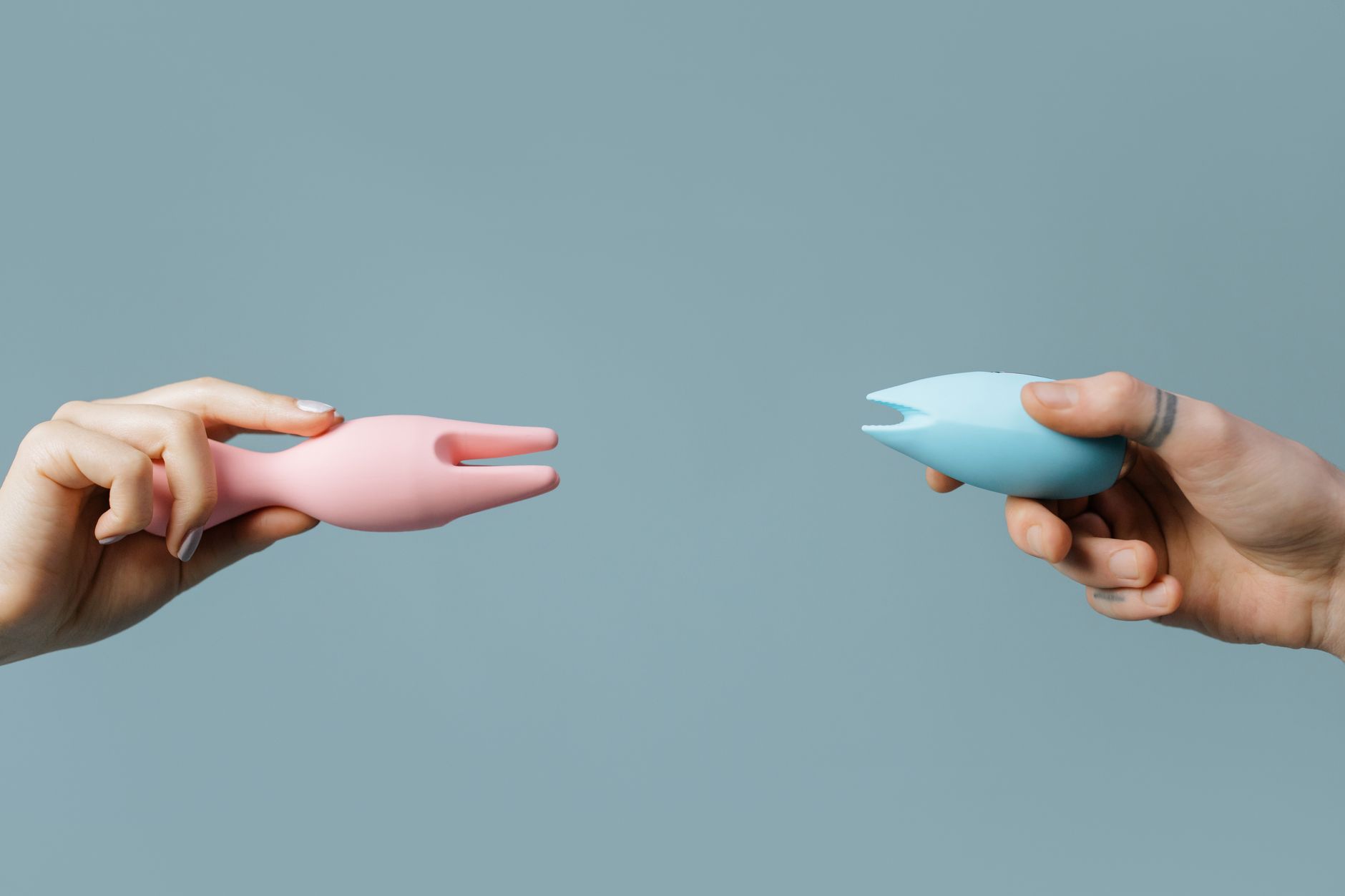
A lemon vibrator (or Lem) is designed around how clitoral pleasure actually works, not around fantasy. It uses suction and gentle pulsing instead of raw vibration, which matters enormously as tissue becomes thinner and sensation becomes more precious.
Three reasons a lemon sucker specifically helps when desire is low:
1. It bypasses the arousal wait. If spontaneous desire is gone, you're starting from zero every time. A quality clitoral vibrator like the Lem shortcuts that lag. You don't need to wait for desire to build naturally. You apply the tool, your body responds, and desire follows. This is not cheating. This is pragmatism. As you age, you've earned the right to pleasure that doesn't require a whole narrative setup.
2. It uses suction, not friction. Aging tissue is thinner and often more sensitive in ways that feel sharp rather than good. Suction gently draws blood into the area and stimulates deep nerve clusters without the mechanical pressure of traditional vibration. It feels fundamentally different, and often better, than what worked at 35.
3. It resets your nervous system. When appetite for pleasure has been dormant for years, your body needs reminder that pleasure is still possible. Regular use of a lemon vibrator literally reactivates neural pathways associated with arousal and reward. You're not forcing desire back. You're knocking on the door and waiting for the lights to come back on.
How to actually start using one when desire feels completely gone
Four steps that work when you're starting from zero.
Step 1: Separate this from sex. This is crucial. If you're partnered, solo pleasure with a lemon vibrator has nothing to do with your partner or your partnership. It's not therapy for a struggling relationship. It's not a dress rehearsal for sex. It's just you, your body, and the goal of feeling good. That boundary matters. It removes the performance pressure that's probably been muting your appetite for years.
Step 2: Pick a time you actually feel a little good. Not when you're exhausted, not when you've just had a fight, not when you're thinking about your to-do list. Late morning on a day off. Right after a shower. After a walk. You're not looking for peak arousal. You're looking for a baseline where your nervous system is calm enough to receive pleasure. That's a much lower bar.
Step 3: Use it for five to ten minutes. You're not aiming for an orgasm on day one. You're checking in with sensation. Is this pleasant? Does this make you curious? Start on the lowest setting (pattern 1 or 2 on a lemon vibrator) and stay there. Speed doesn't matter. Consistency and gentleness do.
Step 4: Do this twice a week for four weeks. I know that sounds clinical. It is. Appetite rebuilds through repetition and safety, not romance. Two solo sessions a week gives your body a reason to expect pleasure and makes space for those neural pathways to light back up. After four weeks, you'll know if this is working for you.
The mindset shift that actually matters
Here's what changes appetite more than hormones: the belief that you deserve pleasure. Not as a reward for being a good partner or productive human. As a fact. Because you have a nervous system that can feel good, and that's enough.
Your 20-year-old self probably didn't question whether she deserved to feel good. It was assumed. Somewhere in the decades between then and now, you absorbed the idea that pleasure is something you negotiate or earn or justify. It's not. At 50 or 60 or 70, you've paid your dues to everyone else. Your appetite for pleasure isn't broken. It's been deprioritized. And that's changeable.
Using a lemon vibrator is partly physical and partly a statement to your own nervous system: "I matter enough to feel good."
When aging changes sensation in ways that need support
Tissue thinning can make pleasure feel sharp instead of good. If that's happening, talk to a gynecologist who specializes in genitourinary syndrome of menopause (GSM). Topical estrogen creams work fast and change everything. A lemon vibrator can work beautifully alongside that treatment.
If you've had surgery (hysterectomy, cancer treatment, other pelvic work), sensitivity patterns change. That's normal and adjustable. Start gentler, use more lube, build confidence slowly. Your body hasn't forgotten how to feel pleasure. The map just shifted a little.
The partner conversation (if you need it)
If you're partnered, your alone time with a lemon vibrator doesn't need to be a big production. You don't owe a play-by-play explanation. You also don't need to hide it. You can say: "My appetite for pleasure has dipped and I want to rebuild it. I'm using some tools for that."
Many partners are relieved. They've probably noticed your appetite fading too, and felt confused about their role in fixing it. This clarifies: it's not about them. Your pleasure is your work.
If your partner wants to be involved later, that's a separate conversation. But the first phase should be entirely about you relearning what feels good.
FAQ: Appetite, aging, and lemon vibrators
Can a lemon vibrator actually bring back desire when it's been gone for years?
Yes, but here's the nuance: it reactivates the physical capacity for pleasure, which then makes desire feel possible again. Desire often follows pleasure when it's been absent. You use the tool, your body responds, your brain remembers that feeling good is available to you. That psychological shift is often what brings appetite back. The vibrator is the key. Desire is what opens.
Is it normal for pleasure to feel totally different at 55 than it did at 35?
Completely. Your tissue is thinner, your hormones have shifted, your nervous system has aged. Orgasms might feel different. Arousal takes longer. What used to work doesn't always work now. None of that means you've lost the capacity. It means you're meeting a different version of your body with different needs. That's not loss. That's evolution. A lemon clitoral vibrator often feels more comfortable than traditional vibration precisely because it's designed for tissue that's more delicate.
How often should I use a lemon vibrator if my goal is to rebuild appetite?
Twice a week for the first month. Then reassess. Some people find they want it more often. Some people maintain with once a week. Listen to your body. The goal isn't frequency. The goal is rebuilding the neural connection between stimulation and pleasure. Consistency matters more than intensity.
Does using a vibrator mean something is wrong with me?
No. Using a lemon vibrator means you're being strategic about your own pleasure. You're using a tool designed for your body and your life stage. At 20, pleasure might have happened spontaneously. At 55, it needs some help from your own agency. That's not failure. That's wisdom.
Can I use a lemon vibrator if I'm partnered and they're not interested in the physical side right now?
Absolutely. Your pleasure is not contingent on your partner's availability. If you're partnered to someone who isn't interested in physical intimacy, solo pleasure with a lemon vibrator is completely separate and worth protecting as time for yourself. It doesn't replace partnership. It supplements your own health.
Will rebuilding appetite with a lemon vibrator change my relationship?
It might. When you start feeling good in your own body and believing you deserve pleasure, sometimes you have clearer conversations about what you want. Sometimes you realize you want something different. Sometimes you feel closer to your partner because you're no longer running on empty. The vibrator is a tool. The real shift is internal. Whatever happens with that is honest and probably needed.
The bigger picture
Appetite for pleasure doesn't die with age. It gets crowded out by stress, illness, cultural narrative, hormonal shifts, and sometimes, honestly, by partners or life circumstances that don't prioritize it. A lemon vibrator is a way of saying: I'm putting it back on the list. I matter. My body matters. And pleasure, at any age, is not a luxury. It's maintenance.
You don't need permission. You don't need your partner's approval. You don't need to wait until some external circumstance changes. You need to decide that your own pleasure is worth 10 minutes twice a week. That's where it starts.
Get support
If rebuilding appetite feels stuck, or if there's relationship tension around this, reach out to a therapist or coach who specializes in aging and intimacy. You don't have to figure this out alone, and sometimes talking to someone helps clarify what's real change versus what's just noise. Hallo Nancy Lemons has resources and a community of people working through the same thing. You're not the only one coming back to this.
Related reading
Less clear on whether appetite loss is about your relationship or about aging itself? Why Lemon Vibrators Feel Different in Your 40s Than in Your 20s breaks down the actual physical changes and what they mean for pleasure.
If you're partnered and navigating mismatched desire timelines, this might help too: How to Use a Lemon Vibrator When Partners' Desire Returns at Different Speeds.
For a broader view on rebuilding pleasure after long gaps, see How to Use a Lemon Vibrator When Returning to Pleasure After Months of Stress.