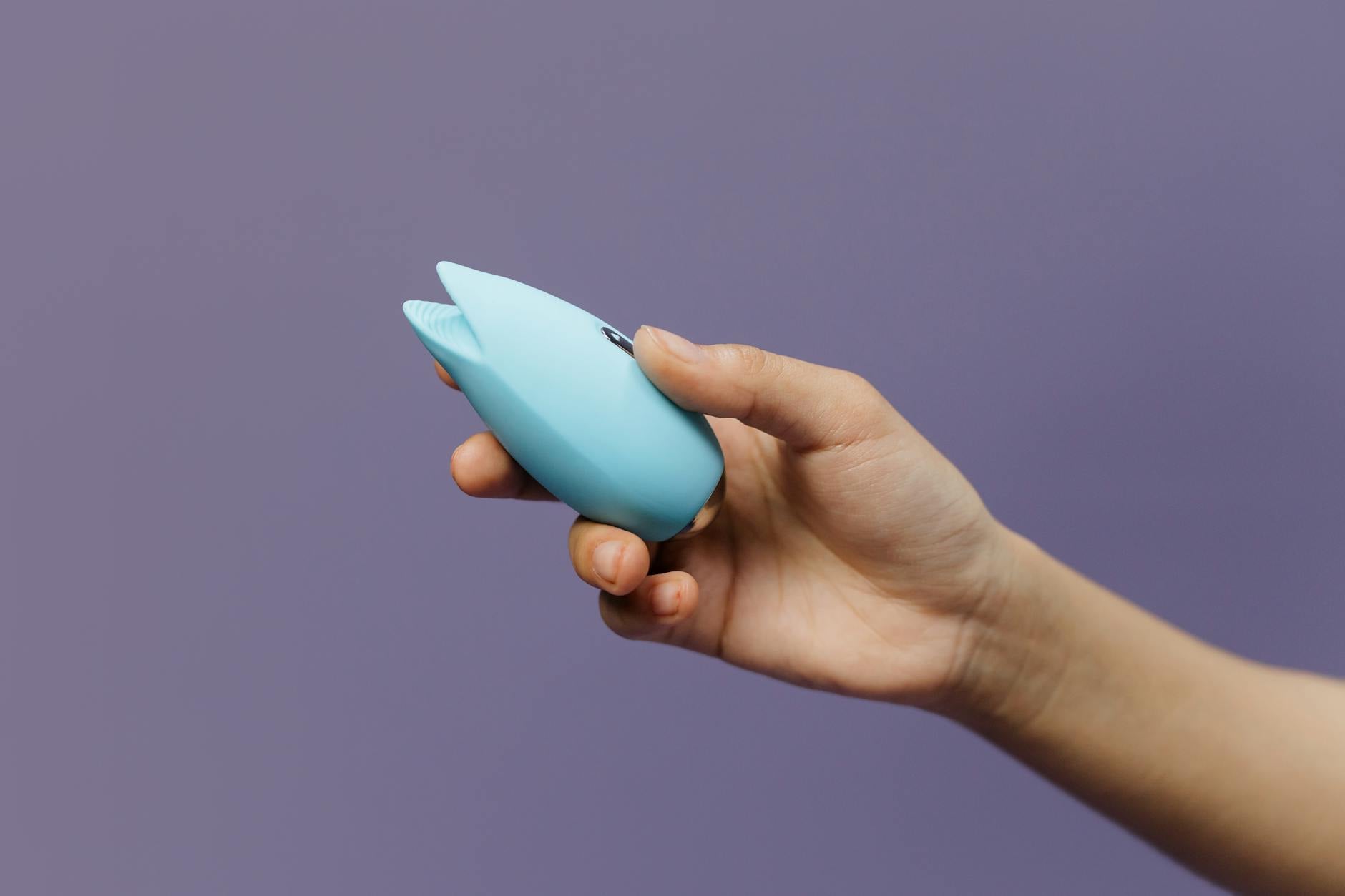
Here's the thing about rushed sex
It doesn't feel good. Not because you're broken or boring, but because your nervous system needs time to downshift into pleasure mode. When sex happens fast.your body stays in the same gear it was in at work or with the kids. You're not fully present. You're not aroused. And then you're expected to orgasm on someone else's schedule.
That's not intimacy. That's performance anxiety with a partner.
Why pressure kills pleasure
When you feel rushed, your brain releases cortisol. That's the stress hormone. It directly opposes arousal by narrowing blood flow, tensing your pelvic floor, and hijacking your attention. You can't focus on sensation when you're mentally clock-watching.
Add a partner's expectations into the mix.and the pressure multiplies. You start monitoring whether you're "taking too long," whether they're bored, whether you'll disappoint them. None of that is sexy. All of it is common.
Here's what research shows: people with vulvas take an average of 14 minutes to reach arousal. People with penises typically take 2 to 3. The mismatch isn't a personal failure.it's physiology. But when a partner pushes forward anyway, you learn to shut down rather than ask for what you need.
How a lemon vibrator changes the dynamic
A clitoral vibrator like those from Hallo Nancy Lemons does something specific: it creates reliable sensation without requiring you to build arousal through typical foreplay. That sounds mechanical, but it's actually liberating.
When you're using a lemon vibrator solo or with a partner, you're no longer dependent on friction, positioning, or someone else's rhythm. You have a device designed to deliver consistent stimulation at a pace only you control. You choose the intensity. You choose the duration. You choose when and whether to orgasm.
That shift from passive to active changes everything psychologically. Your nervous system senses agency. Your brain stops defensive and starts exploratory. Arousal actually happens.
For people in couples, a lemon clitoral vibrator also removes the pressure from a partner to "be enough." They're not failing you. You're both just working with different timelines. The vibrator bridges that gap without blame.
The setup: reclaiming your timeline
If you and a partner are moving too fast, here's how to introduce a vibrator into that conversation without it feeling like rejection.
Start solo first. Use a lemon vibrator on your own for a week or two. Get to know it. Find your preferred intensity on the Lem or Berri clitoral vibrator. Notice how your body responds when there's zero pressure and all the control. This matters because you'll speak from experience, not theory, when you talk to your partner.
Then bring it up outside the bedroom. "I've been exploring what helps me get into the mood faster, and I found something that works really well. I'd love to try it together sometime. Not instead of us.with us." That's honest, it's clear, and it frames the vibrator as a tool for connection, not a replacement.
When you do try it together, protect your timeline. Tell your partner explicitly: "I need 15 minutes minimum before we move to anything else." Set that boundary before clothes come off. Use the vibrator for whatever duration you need. If you're aroused in five minutes, great. If it takes 20, that's also great. The point is the vibrator removes the internal clock.
Four ways to use it when pressure is present
1. Warm up first, partner joins after. Use a lemon vibrator solo for 10-15 minutes until your body is genuinely aroused. Then invite your partner into that state you've created. You're not rushing.you're inviting them into pleasure that's already happening. That's a totally different energy.
2. Use it during partnered sex. Keep the vibrator in play while you're together. It's not a replacement for their touch.it's an amplification. You get clitoral stimulation while they're providing other sensations. Your body gets the input it needs to stay in arousal. Win for everyone.
3. Let your partner operate it. Some couples love this because it creates a new kind of focus and presence. Your partner's job becomes delivering the exact pace and intensity you're asking for in real time. "A little faster," "stay right there," "lighter." It's collaborative rather than performative.
4. Use it as an exit strategy. If sex isn't working and pressure is building.a vibrator lets you reach orgasm on your own terms, without the awkwardness of "I can't get there." You stay connected to your partner while giving yourself what you need. No shame, no stalled intimacy, no resentment building.
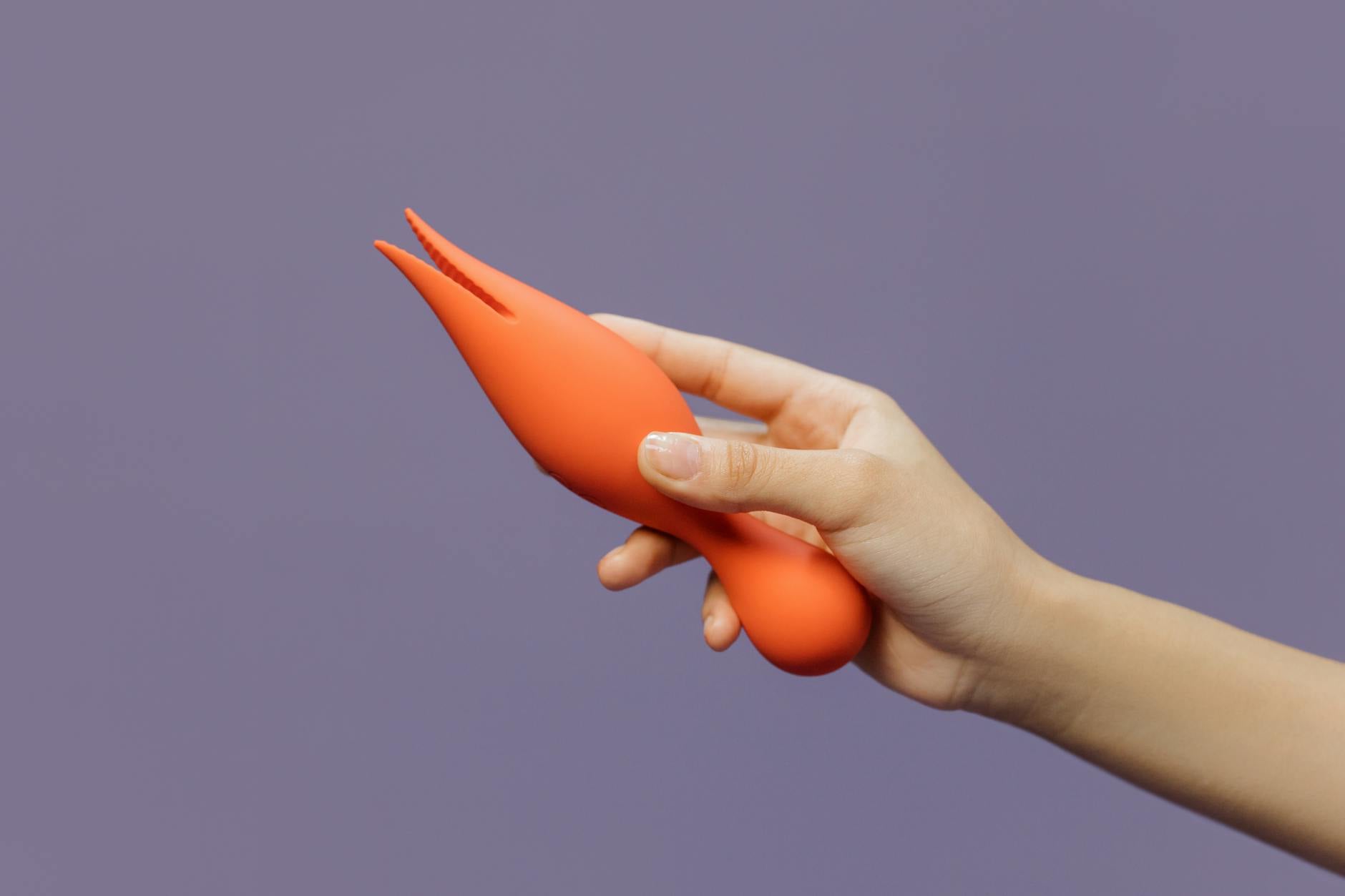
Photo by cottonbro studio on Pexels
What to actually say to your partner
Many people worry that introducing a vibrator will signal that their partner isn't enough. That's backwards. A vibrator signals that you deserve pleasure and that you're willing to ask for it. That's attractive. That's mature.
Here are some frames that work:
"I get in my head when we rush. I'd like to use this to help me relax and actually enjoy what we're doing together."
"My body has a different timeline than yours. This isn't about you.it's about me giving myself permission to take the time I need."
"I love you and I also need this. Can we try it?"
If your partner resists, that's information too. It might mean they have insecurity about performance or they're not ready to shift the dynamic. That's a conversation worth having outside the bedroom, ideally with a couples therapist if tension is high.
When communication with your partner feels blocked, introducing new tools without first addressing the underlying dynamic can feel like adding another layer of difficulty. Consider tackling the trust and openness first.
The pressure paradox
Here's what I see in my practice constantly: the moment someone stops performing and starts prioritizing their own pleasure, their partner actually becomes more attracted to them. Not less.
When you're using a vibrator confidently, you're no longer faking arousal or faking orgasms. You're actually in your body. You're present. You're making sounds that match what's really happening. That's magnetic. That's the opposite of pressure.
Rushed sex creates resentment because someone's needs aren't being met. Slow sex with a tool that serves your timeline creates connection because both people are actually there.
FAQ: Pressure, pace, and pleasure
How long should I wait before asking my partner to use a lemon vibrator with me?
There's no rule, but I recommend having the "we're moving too fast" conversation first. Once that's on the table and you've both acknowledged it, introducing a vibrator becomes a natural solution rather than a sudden surprise. A week after that conversation is reasonable. Give your partner time to process.
What if my partner thinks a vibrator means I don't want them anymore?
That fear is common and worth addressing directly. "A vibrator isn't replacing you. My body just needs more time to get ready. We can build that time into what we do together." If they're still resistant, ask them what specifically worries them. Often it's about feeling inadequate. Reassurance helps. Patience helps more.
Can I use a lemon vibrator if we're already struggling with desire?
Yes, but it's not a fix for desire issues alone. A vibrator helps with arousal and sensation when desire is present. If desire itself has flatlined, that usually points to relationship issues, medical factors, or both. How to use a lemon vibrator when you want to rebuild desire after grief covers some of that territory, but a therapist might be the better starting point.
What if I orgasm "too fast" with a vibrator and my partner feels left out?
Organizing around someone else's pace is its own kind of pressure. If you orgasm fast with a vibrator, celebrate that.don't hide it. Your partner can use that time to explore, relax, or wait for round two. Fast orgasms aren't a problem to solve.they're permission to have more of them.
Can I use a lemon clitoral vibrator during partnered sex without it feeling weird?
Not weird at all. Millions of couples use vibrators during sex. It becomes weird only if you make it weird by being sheepish about it. Bring it into the bed the same way you bring anything else.like it belongs there, because it does.
How do I know if I'm using the vibrator to avoid real intimacy or to enhance it?
The difference is presence. If you're using a vibrator because you're present and want more sensation, that's enhancement. If you're using it because you're checked out, anxious, or avoiding connection, that's avoidance. You'll feel the difference in your body. Presence feels open. Avoidance feels tight.
The larger picture
Rushed intimacy often reflects a larger relationship pattern: people pleasing over honest communication, accommodation over reciprocity, going along over speaking up. A lemon vibrator is a tool, not a solution to that pattern.
But it is a place to start taking up space. It's a way to say, "My pleasure matters and my timeline matters." That's not selfish. That's boundary setting. And boundaries are where real intimacy actually begins.
You deserve sex that feels good. Not performative. Not rushed. Not designed around someone else's timeline. When you're ready to reclaim that, a clitoral vibrator from Hallo Nancy Lemons becomes an ally in your own corner.