Here's what nobody tells you about slower arousal
Your body is not broken. I need you to know that first, because the moment arousal takes longer to build, most people assume something has gone wrong. It hasn't. What's changed is the speed, not the capacity. And there's a massive difference.
Slower arousal happens for dozens of reasons. Stress, medication, age, relationship shifts, hormonal changes, overwork, disconnection from your own body. Sometimes it's situational. Sometimes it's physiological. Usually it's both tangled together. The point is: it's common, it's fixable, and a tool like the Lem actually changes how you approach the problem entirely.
Why arousal gets slower (and what that actually means)
When arousal takes longer, what's really happening is that your nervous system needs more time to shift from sympathetic (fight-or-flight, alert, thinking about your inbox) to parasympathetic (rest-and-digest, relaxed, present). This isn't weakness. It's how your brain and body communicate under stress or change.
Blood flow to the genitals takes longer to increase. The clitoris takes longer to engorge. The vagina takes longer to lubricate. Everything is on a slower timeline, which means if you're using the same techniques that worked when arousal was faster, you'll feel frustrated. You're not waiting long enough, and the tool isn't matching the work.
This is where most people go wrong. They speed up their approach instead of slowing down their expectations.
The lemon sucker approach to patient arousal
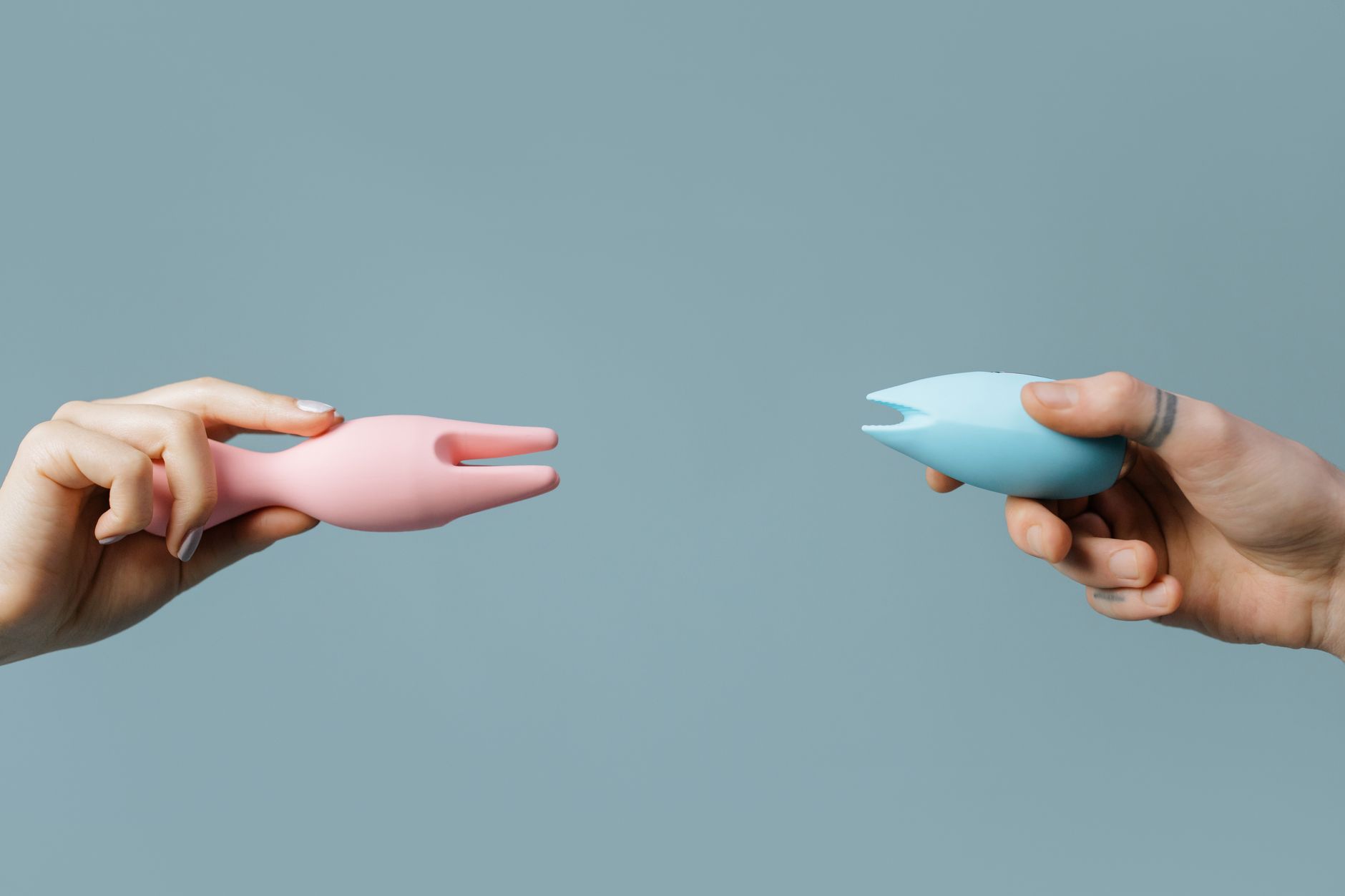
A lemon clitoral vibrator works differently than a traditional vibrator because suction stimulates nerve endings without requiring intense friction or pressure. For slower arousal, that's actually ideal. Here's why.
When you're building arousal slowly, you don't need a high-intensity jolt. You need consistent, rhythmic stimulation that feels like it's coaxing your body awake rather than demanding it respond. The Lem's suction sensation does that. It's persistent. It builds. It doesn't require you to already be highly aroused to feel good.
Try this: start at pattern 1 (the gentlest pulse) when you're barely aroused. Most vibrators feel pointless at this stage. A lemon vibrator feels like something. It's that difference that matters when arousal is slow. You're not waiting to feel ready. You're using the tool to help yourself get ready.
Building the right environment for slower arousal
Three things matter more than the toy itself.
Time scarcity kills slow arousal. If you have 10 minutes and you're anxious about it, your nervous system knows. You're still in fight-or-flight. Budget 30-45 minutes when arousal is slow. Not because you'll need it every time, but because the permission to take that time is what lets your body actually slow down. Once your nervous system trusts that there's no deadline, arousal accelerates naturally.
Distraction is the enemy. Your phone in another room. The door locked. The pressure off your partner to perform or stay aroused while you warm up. If you're with a partner and their arousal is faster than yours, this is the moment to separate. They can rest while you explore. This isn't rejection. This is self-knowledge.
Temperature matters. Warmth increases blood flow. A warm shower, the room temperature up, your body literally warm. This sounds small but it genuinely helps when arousal is sluggish.
The technique that actually works
Start at pattern 1. Spend a full 5-10 minutes there, even if nothing is happening yet. The point isn't intense pleasure. The point is novelty and sensation. Your body is registering that something is happening. Let that be enough.
Move to pattern 2 only when you feel ready, not on a timer. You might spend another 10 minutes here. This is not a race toward orgasm. This is a conversation with your own nervous system about moving from tense to relaxed.
Once arousal starts building, you have options. Some people find that staying at a consistent pattern feels better than changing intensity constantly. Others want to explore the full range. There's no right answer. But the difference here is that because the lemon vibrator stimulates without requiring you to already be highly aroused, you're not white-knuckling your way through the first 20 minutes waiting to feel something.
You feel something from the start. The arousal builds on top of that sensation rather than trying to build from nothing.
What to do if your partner's arousal is faster
This is real friction in relationships, and nobody talks about it directly. If you need 30 minutes to build arousal and your partner needs 5, you're on completely different timelines. Using a lemon vibrator solo while your partner reads beside you is not rejection. It's logistics.
Better: talk about it. "My arousal is slower right now. I want us to be together, but I also need the time to build. Can we do that?" Then do it. They can touch you without trying to speed you up. You can use the vibrator. The goal isn't orgasm at the same moment. The goal is connection while you're both awake to what's actually happening.
If you try to sync timelines that don't match, everyone feels resentful. If you acknowledge the mismatch and work with it, intimacy actually deepens.
Managing expectations about orgasm
Here's the thing: when arousal is slower, orgasm sometimes is too. Sometimes it's not. You won't know until you're there. The mistake people make is chasing the orgasm as proof that everything's working. It's not. Proof that everything's working is that you feel pleasure building, that your body is responding, that you're present.
Orgasm is the reward only if that's what you want. If slower arousal is also making orgasm harder to reach, that's separate work. But often, once you stop fighting the slowness and actually settle into it, arousal accelerates naturally. Your body relaxes because it's not being pressured.
A lemon vibrator removes the performance element. You're not performing arousal. You're building it. That shift alone changes what's possible.
When to get support
If slower arousal appeared suddenly and it's paired with other changes (fatigue, mood shifts, relationship tension, medication changes), talk to a doctor or therapist. Slower arousal is a symptom sometimes, not just a variation.
If it's been slow for months and you're frustrated, a sex therapist who understands your specific situation is worth the investment. How to Use a Lemon Vibrator When Pleasure Feels Numb From Stress can help if numbness is involved.
If you're rebuilding after illness or medication, patience is your real tool. The vibrator helps. The expectation that this will take time is what actually works.
The real permission you need
Slower arousal means you have to stop rushing yourself. That's uncomfortable for people who've spent their whole lives moving fast. But here's what happens when you do: sex becomes longer, more exploratory, less goal-oriented. You feel more pleasure in the building phase because you're not white-knuckling toward the finish line.
Your partner (if you have one) learns that intimacy isn't about matching rhythms. It's about being willing to stay present while someone else's body does what it does.
You learn that slow is not the same as broken.
A lemon vibrator is just the tool. The real work is giving yourself permission to be slow and calling that patience instead of dysfunction.
People also ask
How long should arousal building take?
There's no standard. It depends on stress, hormones, relationship satisfaction, how much time you have mentally and physically, and a dozen other factors. If arousal used to be faster and now it's slower, that's worth noticing. If it's always been slow and you're happy, that's fine. The problem isn't slowness. The problem is friction when your speed doesn't match your expectations or your partner's.
Can medication cause slower arousal?
Yes. SSRIs, hormonal birth control, blood pressure medications, and others can all slow arousal. Talk to your doctor about timing or alternatives if this is recent. In the meantime, a lemon clitoral vibrator works better with slower arousal because it doesn't require you to already be highly aroused to feel good.
Is slower arousal a sign of relationship problems?
Not necessarily. Sometimes it is. Resentment, disconnection, and unresolved conflict absolutely slow arousal. But so does stress at work, sleep deprivation, hormonal changes, and aging. Slower arousal can be a signal to check in with yourself and your relationship, but it's not automatically a problem. It's information.
Should I use numbing cream if arousal is slow?
No. Numbing cream reduces sensation when you need more sensation. If arousal is slow, you need stimulation that works with your body, not against it. The Lem does that. Numbing it defeats the purpose.
Can I speed up arousal with the right toy?
Partially. A lemon vibrator helps because suction stimulation works at lower arousal levels. But the real speed-up comes from lowering pressure, giving yourself time, and addressing stress or relationship issues underneath. The toy is maybe 40% of the solution. The rest is permission and patience.
What if my partner finds slower arousal frustrating?
Then you need to talk about it directly. "I'm frustrated with my body, and I need you to not be frustrated too." Or "Your impatience makes it harder for me to relax." If they won't work with you on this, How to Use a Lemon Vibrator When Your Partner Doesn't Like Toys addresses that dynamic. But honestly, a partner who rushes your arousal is showing you something important about how they approach intimacy.