
Here's what nobody tells you about birth control and sex
Hormonal birth control is brilliant for what it does. It prevents pregnancy, regulates periods, clears skin. But somewhere between the pamphlet and the pharmacy, the conversation about how it changes your body's sexual response gets dropped entirely. It changes your arousal. It changes lubrication. It changes how intensely you feel sensation. And for people who've recently switched methods or started for the first time, that can feel like the ground shifted without warning.
I'm not saying this to scare you. I'm saying it because understanding what's actually happening makes the fix obvious.
What hormonal contraceptives actually do to sensation
Hormonal birth control works by suppressing or altering your natural hormone cycle. Pills, patches, rings, and implants all release synthetic versions of estrogen and progestin (or progestin alone). Your body reads these signals and decides it's not going to ovulate. That's the goal. But hormones don't just control ovulation. They also regulate blood flow to genital tissue, vaginal lubrication, clitoral sensitivity, and how quickly arousal builds.
Here's the chain reaction: lower estrogen means thinner vaginal tissue, less natural lubrication, and reduced blood flow to the clitoris during arousal. That means sensation feels duller. Orgasms take longer to reach. Lubrication happens more slowly or not at all. Some people report feeling almost nothing during touch that used to feel electric.
This is especially noticeable if you've recently switched from a non-hormonal method (like an IUD copper device) to a hormonal one, or if you're on a higher-dose pill than you need to be.
The three most common shifts people report
Decreased desire. Progestin-heavy methods particularly dim libido. This isn't psychological. It's pharmacological. Your body is literally getting a signal that says "reproduction isn't the priority right now," and desire gets the memo first. Between 15 and 30 percent of hormonal contraceptive users experience noticeable drops in sexual interest.
Reduced lubrication. Your vagina gets thinner tissue with less capacity to produce natural lubrication. Some people find that they need external lubrication even during longer foreplay. This isn't a sign something's wrong. It's just how the hormones are reshaping things.
Duller clitoral sensation. The clitoris has thousands of nerve endings, but blood flow is what makes those nerves wake up and respond. When estrogen drops, clitoral engorgement takes longer and doesn't reach the same peak. Touch feels less intense. Orgasm, when it happens, might feel smaller or more distant.
Not everyone experiences all three. Some people feel one shift strongly and nothing else. Others notice nothing at all. But these are the patterns I see most often in conversations with people navigating birth control and sexuality.
Why a lemon vibrator actually works better than you'd think
Traditional vibrators use rapid, repetitive movement to build sensation. That works great when your tissue is engorged and your nerves are primed. When you're on hormonal birth control and sensation is muted, rapid vibration can feel like white noise. Your body's already working harder to register sensation. Adding more speed to an already-faded signal doesn't help.
Lemon clitoral vibrators, like Hello Nancy's Lem, use a completely different mechanism: suction and release. Instead of vibrating, the Lem creates a gentle vacuum that draws tissue upward and then releases. This recruits blood flow in a more efficient way. It doesn't depend on your natural lubrication or clitoral engorgement being perfect. The suction itself is doing some of the work for you.
For people on hormonal contraceptives, this often means sensation feels stronger, arousal builds faster, and orgasms arrive with less frustration. You're not fighting against a muted signal. You're working with a mechanism that doesn't require your tissue to be at peak responsiveness to create pleasure.
How to adjust your routine on hormonal birth control
Start with water-based lubricant, always. If your natural lubrication has dropped, external lubricant isn't optional. It's infrastructure. Use it generously. Reapply if things feel dry halfway through. A good lube makes every method work better, and on hormonal birth control it's often non-negotiable.
Give yourself more warm-up time. Arousal happens slower when hormones are altered. Instead of jumping straight to your lemon vibrator, spend 15 to 20 minutes on touch, kissing, whatever foreplay actually turns you on. Let your body remember what pleasure feels like before you introduce the toy.
Start at a lower suction setting. If you're using a device like the Lem that has adjustable intensity, begin at setting 1 or 2. Your tissue might be more sensitive to stimulation than you'd expect, especially if you're new to suction. Work your way up as you feel ready.
Notice the timing of your cycle. Even on hormonal birth control, micro-fluctuations in hormone levels happen. Many people on pills, for example, experience slightly higher desire and sensation during the placebo week when synthetic hormone levels drop temporarily. Track what you notice and plan accordingly.
When to talk to your doctor about it
If the changes are genuinely interfering with your quality of life or your relationship, that's worth discussing with whoever prescribed your method. Sometimes a different contraceptive works better. If you're on a high-dose pill, switching to a lower-dose version might restore some sensation without sacrificing efficacy. If a hormonal IUD is causing major libido issues, a copper IUD might be worth exploring.
Some people find that adding back a small amount of testosterone through a prescription cream helps restore desire and sensation. This is more common outside the US, but it's worth asking about if nothing else clicks.
And if you've tried multiple methods and the sensation changes persist, that's not a character flaw or a sign that your body is broken. It's just how your particular neurobiology responds to these hormones. Acknowledging that, rather than pushing through, is often the most important conversation.
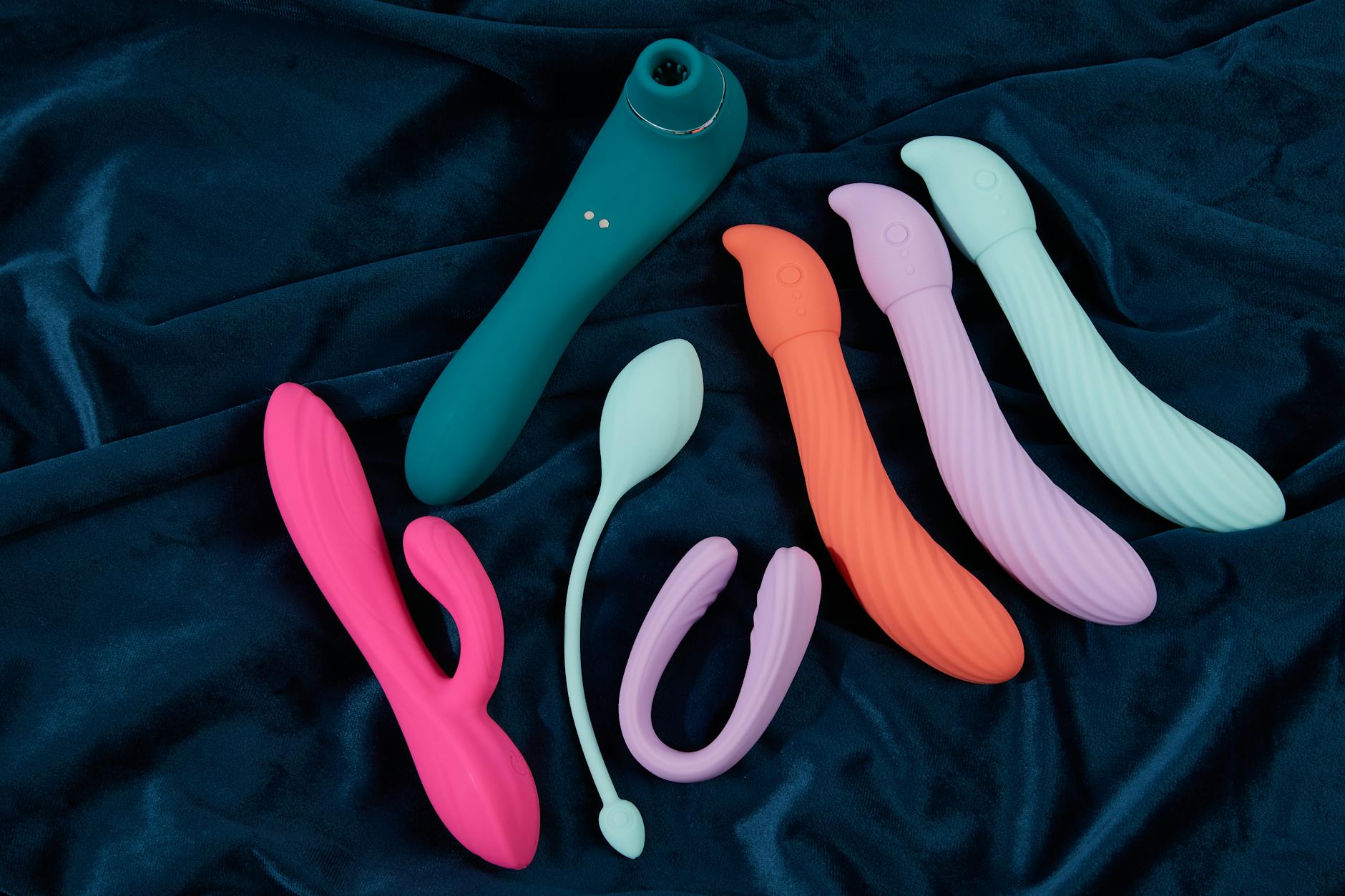
Photo by IFONNX Toys on Pexels
The piece nobody mentions: communication with partners
If you're in a relationship and birth control has changed your desire or sensation, your partner needs to know. Not as a confession. As information. "My body is responding differently on this contraceptive" is a statement about biochemistry, not about attraction or commitment. Keeping it private often leads partners to misinterpret the shift as rejection, which turns a physiological issue into an emotional crisis.
Most partners actually appreciate knowing what's going on. It gives them context. It makes the solution collaborative instead of mysterious. And it opens the door to using tools like a lemon clitoral vibrator together rather than as a solo workaround.
The reality check
Hormonal birth control doesn't ruin sex. But it does change it, and that change is real enough to notice. The good news is that sensation changes are usually addressable. External lubrication helps. Switching methods helps. Using a device designed to work with altered sensation helps. And most importantly, knowing what's happening inside your body means you stop blaming yourself for shifts that are purely biochemical.
Your pleasure matters. Your body's signals matter. And if hormonal birth control is muting both, that's worth paying attention to.
People also ask
Does hormonal birth control permanently change sexual sensation?
No. Sensation usually returns to baseline after you stop hormonal contraception. The tissue thickens again, lubrication returns, and clitoral blood flow normalizes within a few weeks to a couple of months. Some people notice permanent tiny shifts in what feels good, but true permanent damage from birth control isn't the pattern we see clinically.
Can I use a lemon sucker vibrator while on birth control?
Absolutely. In fact, many people on hormonal contraceptives find that suction-based devices like Hello Nancy's Lem work better than traditional vibrators because they don't rely on your natural arousal response being at peak intensity. Start at a lower suction setting and use water-based lubricant.
Which birth control methods affect sexual sensation the most?
Progestin-only methods and higher-dose combination pills tend to have stronger effects on desire and sensation. Copper IUDs (non-hormonal) don't affect sensation at all. Lower-dose pills and some progestin-releasing IUDs have fewer reported sexual side effects. Talk to your doctor about which method aligns with your priorities.
Why does my clitoris feel numb on birth control?
Hormonal contraceptives reduce blood flow to genital tissue, which means the clitoris engorges less during arousal. When tissue isn't fully engorged, nerve receptors fire less readily, making sensation feel muted. This is temporary and reversible.
Should I switch birth control if it's affecting my sex life?
Not automatically. For many people, the convenience and efficacy of hormonal birth control outweigh the sensation changes. But if it's affecting your wellbeing significantly, that's a genuine reason to explore other options. There's no single "best" method. There's the method that fits your body and your priorities.
Is it normal to have less interest in sex after starting birth control?
Yes. Hormonal contraceptives shift desire in about 15 to 30 percent of users. You're not broken, and you're not alone. Some people adjust within a few months. Others find that a different contraceptive suits them better. It's worth checking in with yourself a few months in to see what's actually happening versus what you anticipated.
The bottom line
Hormonal birth control and sexual sensation don't have to be in conflict. Understanding what's actually changing gives you the power to work with your body instead of against it. Tools like a lemon clitoral vibrator, plus practical adjustments like lubrication and warm-up time, usually make pleasure feel accessible again. And if the changes are too significant, knowing your options for different contraceptive methods means you get to choose what works best for you.
Your pleasure matters. Your body's needs matter. And that includes the side effects that matter too.