Burnout doesn't just steal your energy. It steals your desire.
You know the feeling. The alarm goes off and you're already exhausted. By 3 p.m., you've got nothing left. By the time your partner suggests sex or you think about solo pleasure, the answer is automatic: I'm too tired. Not tonight. Maybe never again.
Here's what's actually happening: chronic stress floods your system with cortisol and adrenaline. These hormones suppress dopamine and testosterone. Your brain literally deprioritizes pleasure in favor of survival mode. It's not laziness. It's not a sign your relationship is broken. It's physiology.
Why lemon vibrators matter when burnout hits
The standard advice is "take a vacation" or "reduce your workload." That's fine if you can do it. Most people can't, not immediately. What you need is a tool that works WITH your depleted nervous system, not against it.
Lemon clitoral vibrators like the Lem are designed for this exact scenario. Here's why they're different from other vibrators when you're running on fumes:
They require zero mental energy. You don't have to think about positioning, angle, or pressure. Suction stimulation is passive in the best way. Your body does the work. Your brain can finally stop.
They create fast, reliable sensation. When libido is low, your nervous system needs a clear signal that pleasure is possible. Air-suction toys deliver sensation quickly and consistently. No guessing, no fumbling, no wondering if this will work. This matters because low desire often comes with low confidence in your own pleasure response.
They interrupt the cortisol cycle. Orgasm literally changes your neurochemistry. It reduces cortisol, increases oxytocin, and signals safety to your nervous system. A single 10-minute session with a lemon vibrator can reset your whole baseline.
The burnout-to-pleasure pathway
Let's be real: when you're burned out, jumping straight into sex doesn't work. You need a gentler onramp. Here's the progression that actually works:
Week 1 to 2: The no-pressure exploration phase. Start with your lemon clitoral vibrator fully clothed, just to get used to the sensation. Put it on your inner arm. Your neck. Your collarbone. The goal isn't arousal. The goal is to remind your nervous system that sensation feels good and requires zero effort from you. Spend 5 minutes, once or twice a week. That's it.
Week 2 to 3: The slow reintroduction. Now move to 10-minute sessions, still clothed or wearing underwear. You're not trying to orgasm. You're just exploring what sensations still feel good. Half the battle with burnout libido is believing that pleasure is even possible anymore. This phase is proof.
Week 3 onward: Adding intentional pleasure. Once your body has remembered what enjoyable sensation feels like, you can gradually layer in more intimate contexts. A partner can be in the room. You can be fully undressed. But keep the early sessions short and pressure-free. Burnout doesn't reverse overnight.
The practical toolkit for rebuilding desire
Just having a lemon vibrator isn't enough. You need the conditions to make it work. Four things I recommend to almost every client struggling with stress-related low libido:
Schedule it like an appointment. Not because pleasure should feel like work, but because burnout steals spontaneity. You need to carve out time that's non-negotiable. Tuesday and Friday evening. Sunday morning. 10 minutes. That's your time. Your brain won't offer it to you without permission.
Create one small ritual. Light a candle. Take a hot shower first. Dim the lights. Burnout lives in the overwhelm of everything. One tiny ritual tells your nervous system this is a separate space. You're not multitasking. You're not checking email. You're here.
Use lube even if you don't think you need it. Stress and low libido both reduce natural lubrication. Water-based lube makes sensation easier and signals to your body that pleasure is the priority. It's the physical equivalent of permission.
Keep the first sessions solo. I say this often: if your partner is present during your first few attempts to rebuild pleasure, there's performance pressure. Solo sessions remove that completely. You're not trying to turn them on. You're just reclaiming your own nervous system.
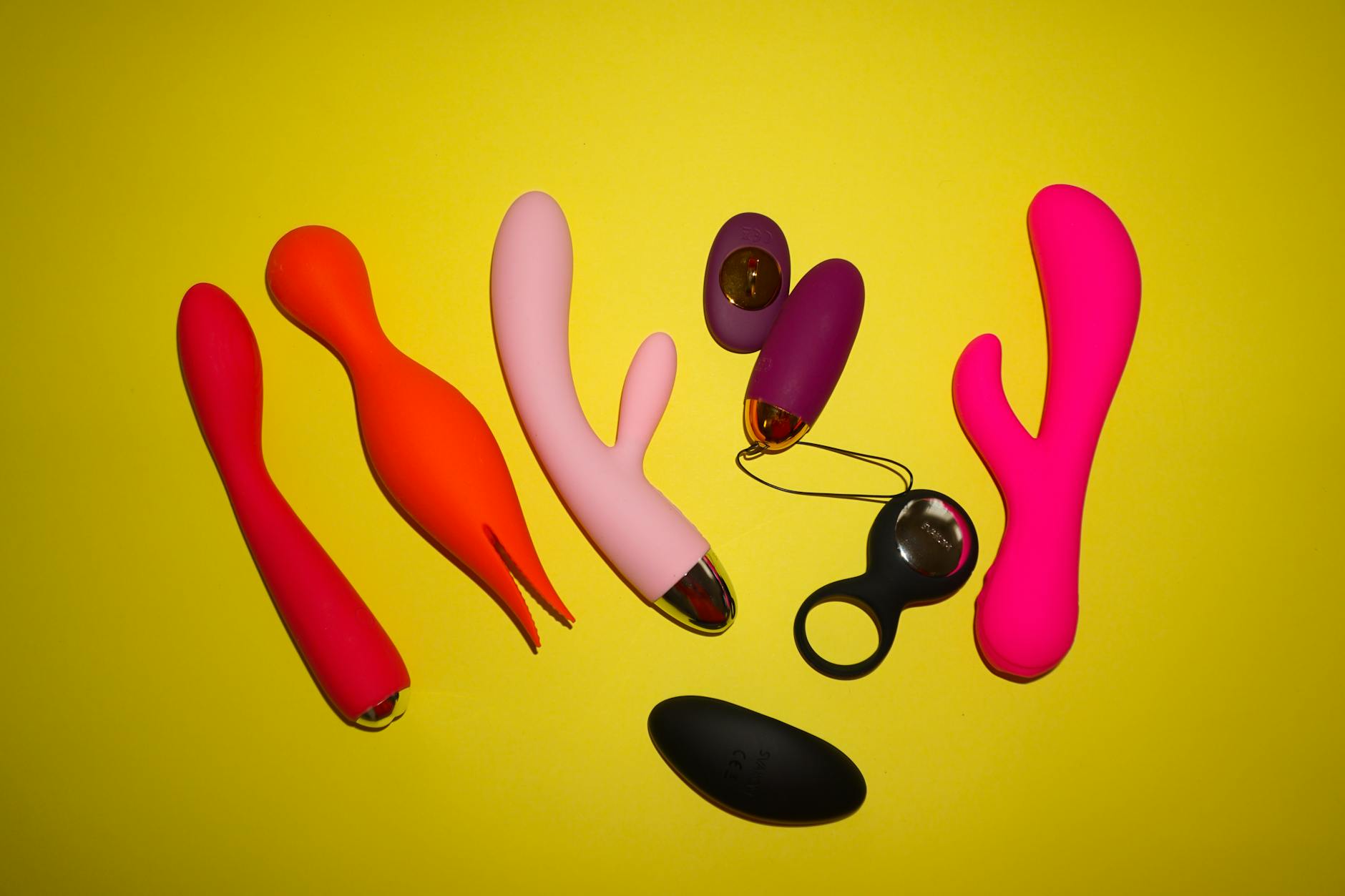
Photo by FounderTips on Pexels
Why sensation precedes desire
One of the biggest mistakes burned-out people make is waiting to feel desire before trying anything. That's backward. Desire often comes AFTER sensation, not before.
Your nervous system has been in fight-or-flight mode. It's forgotten that pleasure is a valid state. A lemon vibrator wakes that part up through pure sensation. Once your body remembers what good feels like, desire follows. It might take three sessions. It might take thirty. But it follows.
This is actually backed up by clinical work on desire disorders. When low libido is stress-driven rather than hormone-driven, sensation-based tools are more effective than trying to think yourself into arousal. Your body leads. Your mind catches up.
When to bring your partner in
Once you've had a few solo sessions and remembered that pleasure is possible, partnership can actually accelerate things. But approach it carefully.
Don't make it a performance. Tell your partner you're using your lemon vibrator for 10 minutes and they're welcome to be in the room, but there's no expectation they'll engage. Just presence. This removes the pressure to perform for someone else while you're still rebuilding your own baseline.
Let them see how much easier sensation is with the right tool. Many partners feel helpless when their person's libido disappears. Seeing the tool work can actually relieve them of the guilt they're carrying. You're not broken and they're not failing. You both just needed a different approach.
If you've been touched out from stress, the suction sensation of a lemon vibrator feels different than partner touch. It can be easier to receive. Start there before moving to partnered touch.
The recovery isn't linear
Honestly though, rebuilding libido after burnout is messy. Some weeks you'll be consistent. Some weeks you'll forget entirely. That's normal. Stress hasn't gone away. You're just building a parallel practice that reminds your nervous system pleasure is still there.
If you hit a plateau after a few weeks, change something small. Try a different time of day. Use a different lube. Combine your vibrator use with a 10-minute walk beforehand. Your nervous system needs novelty and consistency at the same time. It's weird, but it's true.
The bigger picture
Using a lemon clitoral vibrator isn't a substitute for addressing the burnout itself. You still need better boundaries at work. You still need rest. You still might need to talk to someone about the underlying stress.
But while you're working on those bigger things, this tool gives you something concrete. A way to tell your body: I haven't forgotten about pleasure. I haven't forgotten about you. We're coming back.
That matters more than you might think. Your nervous system has been running a story that pleasure isn't available right now. One 10-minute session with the right tool contradicts that story entirely. Keep contradicting it, gently and consistently, and desire comes back.
People also ask
How long does it take to rebuild libido after burnout with a vibrator?
There's no universal timeline, but most people notice a shift in their pleasure response within 2 to 4 weeks of consistent, pressure-free use. By "shift" I mean being able to experience sensation as genuinely pleasurable again, even if full desire hasn't returned. Full libido recovery often takes longer and depends heavily on whether you're also addressing the underlying stress. Think of the vibrator as one piece of a larger puzzle, not the whole solution.
Can I use a lemon vibrator if I'm also on antidepressants that affect my sex drive?
Absolutely, and it's often particularly helpful. Medication-related sexual side effects are real, and they exist on top of whatever stress you're already managing. Lemon clitoral vibrators work by creating clear, reliable sensation that can bypass some of the neurological dampening from certain antidepressants. That said, mention this to your doctor if the side effect is severe. Sometimes adjusting timing or dosage helps. In the meantime, the tool is still useful.
What if I'm using a vibrator but my partner thinks it means our sex life is broken?
This is relationship stuff, not vibrator stuff, but it matters. Have a conversation when you're both rested and calm. Explain that you're using it because stress has made your own pleasure harder to access. Frame it as a tool for reconnection, not a replacement. Show them if they want to see it. Often, partners worry the tool means they're not enough. In reality, you're both overwhelmed. The tool just helps you find your way back to each other.
Does a lemon vibrator work better than other vibrators for rebuilding desire after burnout?
Lemon vibrators work differently because suction creates a sensation that doesn't require the same level of mental engagement as traditional vibration. You're not thinking about pressure or angle. Your nervous system can truly relax while still receiving clear pleasure. That passive quality is exactly what you need when burnout has left you with zero mental energy. Other tools can work, but they often require more active participation from you, which defeats the purpose when you're already depleted.
Should I use my vibrator at the same time every day?
Consistency matters more than timing. If you can use it at the same time of day, great. Your nervous system loves predictability. But if Tuesday mornings work one week and Thursday evenings the next, that's fine. Just aim for twice a week at minimum during the rebuilding phase. Less than that and you're not giving your nervous system enough proof that pleasure is back on the table.
Is it normal to not orgasm during these sessions when rebuilding libido?
Completely normal, especially early on. When burnout has dampened your desire, your body might take longer to build arousal, and that's okay. Some weeks you'll orgasm easily. Some weeks you won't get there at all. Don't make orgasm the goal. Make sensation the goal. Pleasure that doesn't end in orgasm is still pleasure. Still valid. Still doing the nervous system work you need.
The path forward
Burnout flattens you. It makes you forget that your own pleasure still matters. A lemon vibrator won't fix your job or your schedule. But it will remind you that your body is still yours. That sensation is still possible. That you're not broken.
Start small. Ten minutes. No pressure. No expectations beyond feeling whatever you feel. That's enough. From there, pleasure comes back gradually, then all at once, then unevenly, then more steadily. It's not linear, but it's real.
If you want to talk through how to approach this as a couple or need more personalized guidance on rebuilding intimacy after burnout, reach out. That's what we're here for.