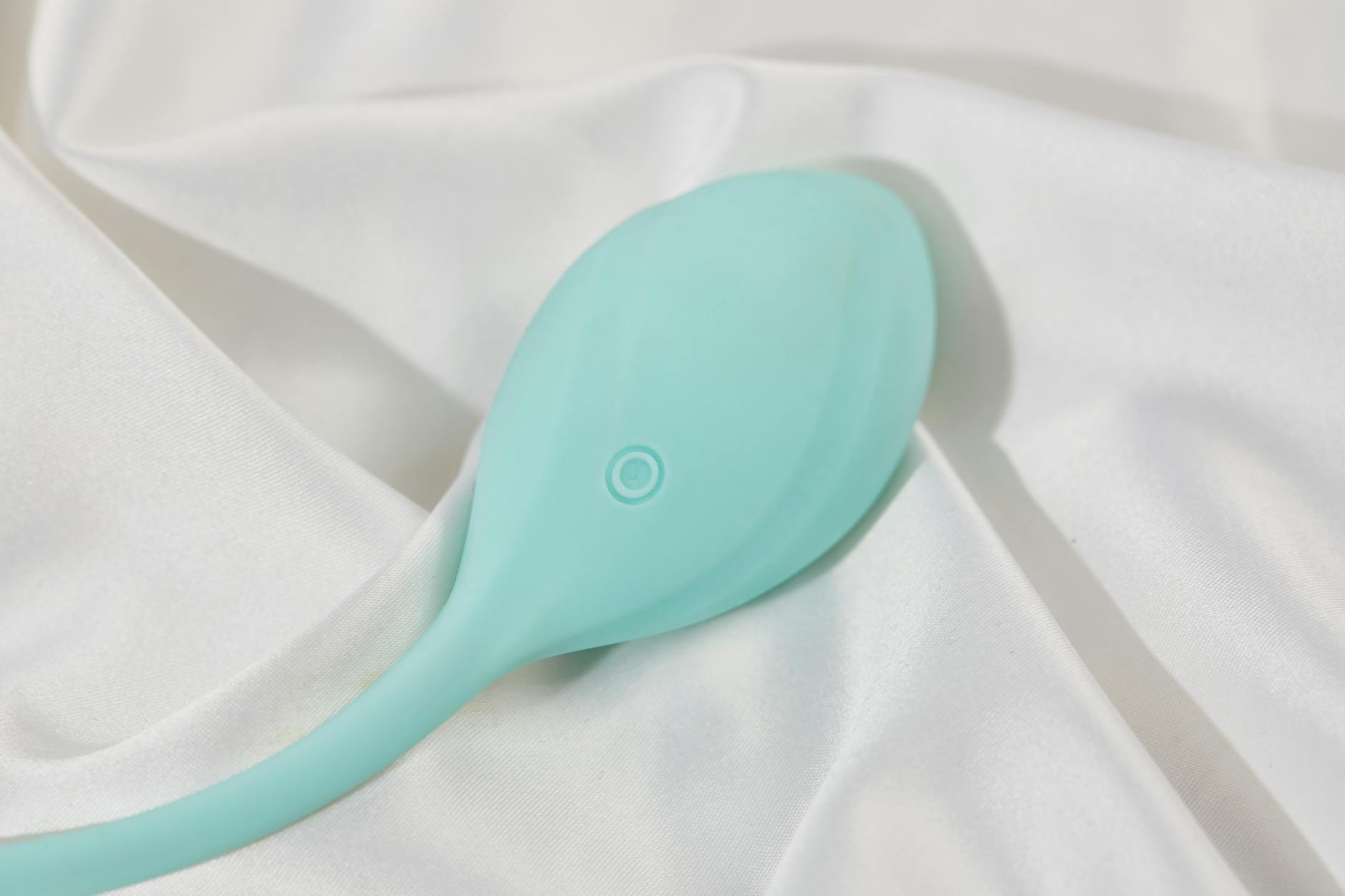
Let's talk about what pelvic floor dysfunction actually does to pleasure
Pelvic floor dysfunction is when the muscles at the base of your pelvis stay tense instead of relaxing and contracting as they should. It's common, often invisible, and it changes everything about how stimulation feels. Most people don't realize the two are connected until they try using a lemon vibrator and find it feels overwhelming, painful, or completely numb.
Here's the thing: your pelvic floor isn't something you need to "strengthen" your way out of. You often need to learn to let it go.
Why tension makes vibration feel wrong
When your pelvic floor is tight, a few things happen at once. First, the muscles around your clitoris are already contracted, so stimulation feels more intense than it should. It's like someone turning up the volume when you're already at capacity. Second, blood flow to the area gets restricted, which makes sensation feel numb or distant. Third, the nerve endings that usually light up with pleasure can't fire properly because the tissue around them is guarding.
Add a lemon vibrator into that mix and you might feel sharp sensations instead of pleasure, or nothing at all. This isn't a sign that suction vibrators don't work for you. It's a sign that your nervous system is in protective mode.
The good news: this is reversible.
The nervous system component you need to know
Your pelvic floor is wired directly to your vagus nerve, which controls your whole "rest and digest" response. When you're stressed, holding tension, or recovering from pain, your vagus nerve stays activated in fight-or-flight mode. Your pelvic floor gets the signal: "Stay braced." It's not a choice. It's a reflex.
Using a lemon vibrator when you're in this state doesn't calm your nervous system. It often overloads it further. That's why the first step isn't buying a toy. It's teaching your body that sensation is safe again.
How to prepare your pelvic floor before using vibration
Three weeks before you introduce a lemon clitoral vibrator:
Start with breath work. Spend five minutes daily doing extended exhales. Breathe in for a count of four, then exhale for a count of six or seven. Long exhales activate your parasympathetic nervous system (the brake pedal). Your pelvic floor will follow. You should feel a subtle release as you exhale.
Practice pelvic floor relaxation, not strengthening. Kegels are the enemy right now. Instead, sit comfortably and imagine your pelvic floor as an elevator descending from the fifth floor to the basement. On your inhale, it goes up. On your exhale, it goes down. Do this for two minutes daily. You're training relaxation, not strength.
Touch without vibration first. Use a finger or a partner's finger to touch your vulva gently. Don't aim for arousal. The goal is to teach your nervous system that touch is informational, not threatening. Spend ten minutes just noticing sensation without pressure to feel anything specific. This rewires the pathway between touch and safety.
When to introduce a lemon vibrator
Start with the device off, just holding it or letting it rest against your skin. Get familiar with the shape, temperature, and weight. Your nervous system needs to know this object isn't a threat before you add vibration.
When you're ready to turn it on, begin at the lowest setting. If you have a Hello Nancy lemon vibrator, that's usually pattern one. Hold it against your inner thigh, not your clitoris. Let the vibration register without intensity. Spend five minutes here, just noticing.
Move up to your vulva next, but slightly off to the side of your clitoris. The clitoral head itself has the highest nerve density and often feels overwhelming first. Indirect stimulation gives you the pleasure without the overload. Stay here until it feels genuinely good, not just tolerable. This might be one session or ten. Honor your timeline.
Only when indirect stimulation feels pleasurable, not numb or painful, move to direct clitoral contact. Even then, consider staying on pattern one for several sessions. Speed doesn't matter. Consistency does.
The role of lubrication in pelvic floor recovery
Pelvic floor tension often reduces natural lubrication because blood flow is compromised and arousal can't build properly. Use a water-based lubricant generously. It does two things: it reduces friction that might feel sharp or irritating when you're tense, and it gives your nervous system feedback that the area is lubricated and safe.
Apply lube before you even pick up your lemon vibrator. Let your body feel the difference between dry and lubricated tissue. Some people find that the act of applying lubricant itself is grounding and helps reset the nervous system message from "threat" to "care."
What progress actually looks like
Week one: You might feel nothing, or feel sharp sensations that don't feel pleasant. That's normal. Your nervous system is still skeptical.
Week two to three: You start noticing subtle sensations. A slight warmth, a gentle tingling. Nothing orgasmic, but something. This is progress.
Week four to six: Indirect stimulation starts to feel genuinely good. You're not close to orgasm, but pleasure is there. Keep going here. Don't rush to direct stimulation.
Week six to eight: You might try direct clitoral contact on the lowest setting and feel pleasure instead of pain. If not, that's okay. Return to indirect and keep building.
Month three: Many people report that orgasms return, often different from before but equally satisfying. Some take longer. Pelvic floor recovery isn't linear.
The partner conversation, if you have one
If you're in a relationship, your partner needs to understand that pelvic floor dysfunction is a nervous system issue, not a desire issue. You're not broken. You're not rejecting them. You're retraining your body to feel safe with sensation. That's actually deeply vulnerable work, and it deserves patience.
Invite them into the process if that feels right. Sometimes having a partner help with breathing exercises or hand-holding during a session creates safety. Other times, solo exploration is exactly what you need. There's no right answer. Just honest communication.
When to see a pelvic floor physical therapist
If after four to six weeks of gentle practice your pelvic floor still feels locked and sensation remains numb or painful, that's when to book a pelvic floor PT. They can do internal massage, teach you biofeedback techniques, and rule out other conditions. They're not judgmental. They see this constantly.
A good pelvic floor PT will work alongside your retraining with a lemon vibrator, not instead of it. They're partners in the process.
FAQ: Pelvic Floor Dysfunction and Vibrator Use
Can I use a lemon vibrator if I have diagnosed pelvic floor dysfunction?
Yes, but not immediately at full intensity. You need the preparation work first. Jumping straight to vibration when your pelvic floor is tense can actually increase tension and create negative associations with sensation. Follow the timeline in this guide: breath work and relaxation first, then touch without vibration, then vibration at the lowest setting on indirect areas. A Hello Nancy lemon clitoral vibrator is actually ideal because you can start at pattern one and work up gradually.
Does a lemon vibrator help relax a tight pelvic floor?
Not in the way you might think. Vibration doesn't teach relaxation. What it can do, used correctly over time, is help rewire your nervous system's response to sensation. Combined with breath work and relaxation exercises, it becomes part of a bigger picture. Think of the lemon vibrator as a tool for rebuilding positive associations with touch, not as a pelvic floor relaxer on its own.
Why does the lemon clitoral vibrator feel more intense when I have pelvic floor tension?
Your pelvic floor muscles are already contracted, so they're amplifying the vibration's intensity. Your tissue is also less blood-flowed, making nerve endings more sensitive to overstimulation. It's not the vibrator's fault. It's tension blocking your body's natural ability to modulate sensation. This is exactly why starting at the lowest setting on indirect areas matters so much.
How long until a lemon vibrator feels good again after pelvic floor issues?
Every timeline is different. Some people feel pleasure again in three to four weeks. Others need two to three months. Pelvic floor dysfunction usually didn't develop overnight, and it won't resolve overnight either. The key is consistency and patience with yourself. Pressure to perform or feel arousal actually worsens tension, so releasing that expectation is half the battle.
Can pelvic floor dysfunction cause numbness with vibrators?
Completely. Tension restricts blood flow, which numbs sensation. You might feel the vibration but not the pleasure attached to it. That numb feeling doesn't mean you've lost capacity for pleasure. It means your nervous system is protecting you by dampening sensation. With breath work and gradual reintroduction, blood flow returns and sensation comes back. Patience here is everything.
Should I stretch or do yoga for pelvic floor issues before using a vibrator?
Cautiously. Some yoga practices actually increase pelvic floor tension if they emphasize holding deep squats or intense core engagement. Focus instead on gentle hip opening and deep belly breathing. A pelvic floor PT can recommend specific practices that won't counteract your relaxation work. And always, always pair movement with breath. That's where the nervous system reset happens.
The bottom line
Pelvic floor dysfunction doesn't mean you've lost the ability to feel pleasure. It means your nervous system got the message that sensation wasn't safe, and now it's being protective. Using a Hello Nancy lemon vibrator thoughtfully, alongside relaxation and breath work, can help you rebuild that sense of safety and rediscover sensation at your own pace. Your pleasure is still there. Sometimes it just needs time and a gentle approach to come back.