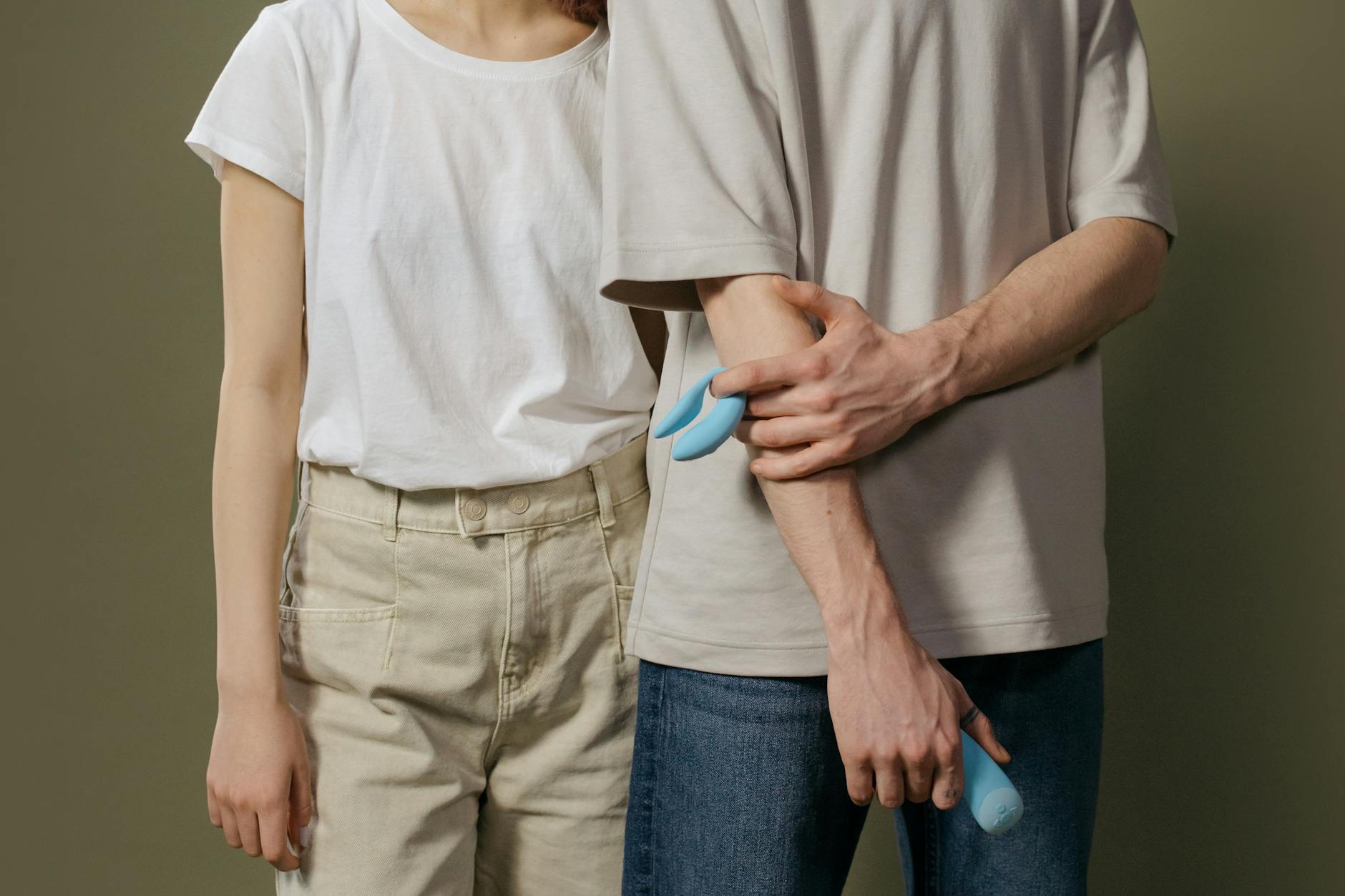
Let's name the thing nobody wants to talk about
Endometriosis is painful enough without also losing access to pleasure. But here's what happens: the same inflammation that makes penetration difficult or unbearable can make you hesitant about any kind of sexual touch at all. The fear of triggering a flare-up gets tangled up with shame about your changing body, and suddenly pleasure feels like something that happens to other people.
It doesn't have to be that way. A lemon vibrator is specifically designed for clitoral stimulation without penetration or deep pressure, which means it sidesteps most of the pain triggers that endometriosis creates. But "designed for it" and "actually works for your body" are different things. Let me walk you through both.
Why endometriosis changes the pleasure equation
Endometriosis is tissue that grows outside the uterus, usually on the pelvic organs. During your cycle, that tissue bleeds into the pelvis, creating inflammation, scar tissue, and pain that can range from annoying to debilitating. Here's what that means for sexual pleasure:
Deep penetration often triggers flare-ups because it puts pressure on inflamed tissue. Your pelvic floor gets tense as a protective response, which compounds the pain. Your brain learns that sex equals pain, so arousal itself can feel risky.
But here's what endometriosis does NOT change: your clitoral nerve endings, your capacity for orgasm, or your right to pleasure. The clitoris is external and largely separate from the endometrial tissue, which means clitoral stimulation often feels completely different from penetrative sex. This is where lemon clitoral vibrators come in. They're designed to stimulate the clitoris directly without requiring penetration or applying pressure to the pelvic floor.
Timing matters more than you think
One of the first things I tell people with endometriosis is that your cycle is not your enemy. Your cycle IS information. You can use it.
Days 1-5 (your period) are often the most painful, but also the most predictable. Inflammation is high, nerves are already firing. This is not the time to introduce vibration or expect much pleasure. Rest, heat, and recovery matter more.
Days 8-14 (follicular phase into ovulation) are usually your sweet spot. Inflammation drops, hormone levels shift in your favor, and many people find this is when clitoral stimulation feels safest and most pleasurable. If you're going to use a lemon vibrator, this is when to explore it.
Days 15-28 (luteal phase) sit somewhere in the middle. Progesterone rises and inflammation can creep back in. You might find clitoral stimulation still feels good, but you need more warmth, longer foreplay, and gentler intensity.
Track this for two or three cycles. You'll find your own pattern.
How to actually use a lemon vibrator with endometriosis
Start with heat, not vibration. Before you turn anything on, spend 10 minutes with a heating pad on your lower abdomen. This relaxes the pelvic floor and signals safety to your nervous system. Your body will respond to vibration differently when it's already calm.
Begin on the lowest setting. The Lem vibrator has multiple intensity levels for exactly this reason. Start on pattern 1. Your clitoris doesn't need aggressive stimulation to feel good. In fact, with endometriosis, less intense input often triggers less defensive tension in the pelvic floor. Go slower than you think you need to.
External clitoral contact only. Do not insert the vibrator. This is not a compromise. This is the whole point. Keep the lemon vibrator on the clitoral area, at the surface. Many people find that alternating between direct contact on the glans and gentler contact on the hood (the skin covering the clitoris) gives the best sensation without overwhelming the nerve endings.
Watch for pelvic floor tension. Here's something nobody warns you about: your pelvic floor will tense up automatically as a protective response. You might not even notice it happening. Spend a minute before and after doing pelvic floor releases. Breathe in for a count of 4, breathe out for a count of 6. On the exhale, consciously relax your pelvic floor. It sounds weird, but your body learns it.
Stop if anything hurts. Not discomfort. Pain. There's a difference. Discomfort is pressure or intensity you're not used to. Pain is your body saying no. Listen to it.
Navigating flare-ups and setbacks
Some months will be harder than others. Stress, hormonal changes, or a particularly difficult period can trigger a flare-up that lasts weeks. During these times, the lemon vibrator might not feel good, and that's okay.
This is where the relationship part matters. If you have a partner, tell them what's happening. "My endometriosis is flaring this week, so I'm not going to want clitoral stimulation right now" is a complete sentence. You don't owe anyone an explanation or a timeline.
If you're exploring solo pleasure, give yourself permission to pause. Pleasure is not a skill you lose. It's still there when your body feels ready. Many people find that solo exploration during low-pain months actually builds confidence and body awareness that makes partnered pleasure easier later.
The medication and medication interaction question
If you're on hormonal suppression for endometriosis (like continuous birth control, GnRH agonists, or progestins), you're already managing pain and inflammation. Your clitoral sensitivity might feel different than it did off medication. This is normal. Some people find their sensitivity increases because inflammation is lower. Others find it decreases because progesterone affects nerve sensitivity.
The lemon clitoral vibrator works well alongside any endometriosis medication because it doesn't interact systemically. It's direct, local stimulation. But do mention to your doctor that you're exploring sexual activity, especially if you're managing pain. They might have specific guidance about timing or additional support.
When to seek additional help
If clitoral stimulation triggers pain in the clitoral area itself (not deep pelvic pain, but surface pain), see a pelvic floor physical therapist. This can indicate neuropathic pain or pelvic floor dysfunction that responds really well to specialized PT.
If you're experiencing pain during or after any kind of sexual activity, including solo use of a lemon vibrator, talk to your gynecologist. Sometimes endometriosis flares can make you more sensitive to any stimulation. Other times, there's a separate issue (like vulvodynia or vaginismus) layered on top that needs its own approach.
If pleasure has completely disappeared and you're grieving that, consider working with a sex therapist or relationship coach who has experience with chronic illness. Endometriosis affects more than just your pelvis. It affects how you see your body, your sexuality, and your relationship with intimacy. That emotional piece matters.
A note on partnership and communication
If you're with a partner, using a lemon vibrator can actually be a conversation starter. "I want to explore what feels good for my body during low-pain times" opens a door that penetration-focused sex often closes. A partner who's willing to learn your cycle, respect your boundaries, and celebrate clitoral pleasure with you is someone worth keeping close.
If a partner pressures you to push through pain for their pleasure, that's information too. Your endometriosis is not an obstacle to overcome. Your body is not broken. You deserve someone who understands that.
The bigger picture
Endometriosis is a chronic condition. You're going to have good months and hard months. The lemon vibrator is a tool that works well during your good months, and that's enough. It's not a cure. It's not a fix. It's a way to reclaim one small piece of your life that endometriosis has taken from you.
Your pleasure matters. Not despite endometriosis. Alongside it. The two can coexist, with the right information, the right tools, and the right permission to explore at your own pace.
People also ask
Can I use a lemon vibrator during my period if I have endometriosis?
Technically yes, but I don't usually recommend it. Your pelvis is already inflamed, your pain threshold is lower, and your nervous system is already in protective mode. You're unlikely to get much pleasure out of it, and you might trigger additional pain. The follicular phase after your period is a much better window. Use your period as a rest and recovery time instead.
Will using a lemon vibrator make my endometriosis worse?
No. A lemon clitoral vibrator applies localized, external stimulation to the clitoris. It doesn't interact with the endometrial tissue or create inflammation. What it can do is trigger the pelvic floor tension that endometriosis causes, but that's about nervous system protection, not endometriosis progression. If you use it mindfully, with heat and low intensity, the risk is minimal.
What if clitoral stimulation hurts during a flare-up?
Stop and rest. Some people with endometriosis develop secondary pain conditions like vulvodynia or neuropathic pain that make clitoral contact itself painful during flare-ups. If this is happening consistently, mention it to your doctor. In the meantime, focus on other forms of intimacy: touch, massage, emotional connection. Pleasure doesn't have to mean vibration.
How do I know if pain is normal or a sign something's wrong?
Normal endometriosis pain is usually a dull ache, pressure, or achiness in the pelvic area. It might come and go. Pain that is sharp, shooting, burning, or totally new deserves medical attention. If a lemon vibrator triggers that kind of pain, stop using it and check in with your gynaecologist. You might have developed scar tissue in a new place, or there might be a separate issue.
Can a partner help me use a lemon vibrator safely with endometriosis?
Absolutely. A partner can apply heat while you're using the vibrator, watch for signs of tension, and help you stay aware of your pelvic floor. They can also simply be present in a way that makes your nervous system feel safer. But this only works if the partner is genuinely invested in your pleasure and your wellbeing, not their own agenda. If you're not sure about that, solo exploration is always safer first.
Does endometriosis affect orgasm itself?
Not directly. Your orgasm reflex is intact. But endometriosis can make the buildup to orgasm more complicated because you're managing pain, tension, and anxiety. Many people find that orgasms feel different post-endometriosis diagnosis. Some feel more intense and satisfying because you've given yourself permission to focus on clitoral pleasure. Others feel muted because you're bracing against pain. This usually evens out as you learn what your body can do.
The path forward
If you have endometriosis and you're curious about lemon clitoral vibrators, start small. Pick a day in your follicular phase when your pain is low. Use heat first. Try the lowest setting. Notice what your body tells you. You deserve to know what pleasure feels like on your own terms, not despite your diagnosis, but alongside it. Reach out to our team if you have specific questions about the Lem vibrator or how it might fit your needs.