Let's be real about postpartum bodies
Your body did something extraordinary. It also does not feel like it belongs to you anymore. Postpartum intimacy isn't just about checking a box in your relationship calendar. It's about reclaiming a part of yourself that got buried somewhere under sleep deprivation, feeding schedules, and the particular exhaustion that comes from being needed constantly by another human.
Pleasure after pregnancy is different. Not worse. Different. And a lemon clitoral vibrator can help you ease back in without the pressure or the fumbling.
What actually changes after delivery
Let's separate the permanent from the temporary. Your pelvic floor muscles are tired. Tissue sensitivity shifts because of hormones, especially if you're breastfeeding. Sensation can feel muted or unfamiliar. If you had a vaginal delivery, your tissues are swollen and tender for weeks. If you had a cesarean, you're recovering from abdominal surgery. Both are real obstacles to pleasure, and both are temporary.
Here's what researchers often miss in the clinical literature: the psychological piece. You're not just recovering physically. You're adjusting to a completely different relationship with your body. It's now a vehicle for nourishing someone else. Reclaiming it for your own pleasure requires intentionality and patience.
Hormonal fluctuations also play a role. If you're breastfeeding, prolactin stays elevated, which can lower desire and sensation. If you're formula feeding, your hormones are shifting more rapidly. Either way, expect about 3 to 6 months before your body feels something close to baseline again.
Why a lemon vibrator works better than other options right now
A lemon clitoral vibrator uses air-suction technology, which means it stimulates through gentle suction rather than direct vibration. This matters enormously postpartum. Your tissues are sensitive. Direct vibration can feel too intense or even uncomfortable. Suction spreads the stimulation across a wider area of tissue, which feels more natural and less jarring.
The Lem and similar lemon sucker toys also require zero vaginal penetration. If you're not ready for that yet (which is completely normal and healthy), you can explore clitoral pleasure without pressure. This matters when you're still bleeding, still tender, or still deeply uncertain about what your body is ready for.
Battery life also wins here. Hand-held vibrators require consistent grip and pressure. After weeks of holding a baby, your hands are tired. A lemon vibrator lets you relax your hands while maintaining steady, customizable stimulation.
The timeline matters more than you think
OBGYNs typically give the all-clear for penetrative sex at 6 weeks postpartum. That timeline exists for medical safety, not for pleasure. Your body may not feel ready until 3, 4, or 6 months later. Both are normal.
Weeks 1-6: Focus on non-sexual touch. Massage from your partner, warm baths, literally anything that reminds you that your body can feel good without the pressure of being functional. A lemon vibrator isn't the move yet.
Weeks 6-12: If you have medical clearance and you're curious, solo exploration with a lemon clitoral vibrator is smart. You're not managing a partner's expectations or timing. You can stop whenever you need to.
Month 4 onward: If solo play felt good, bring the lemon vibrator into partnered intimacy. It can warm you up, take the pressure off penetration, or just be a fun new thing you're trying together.

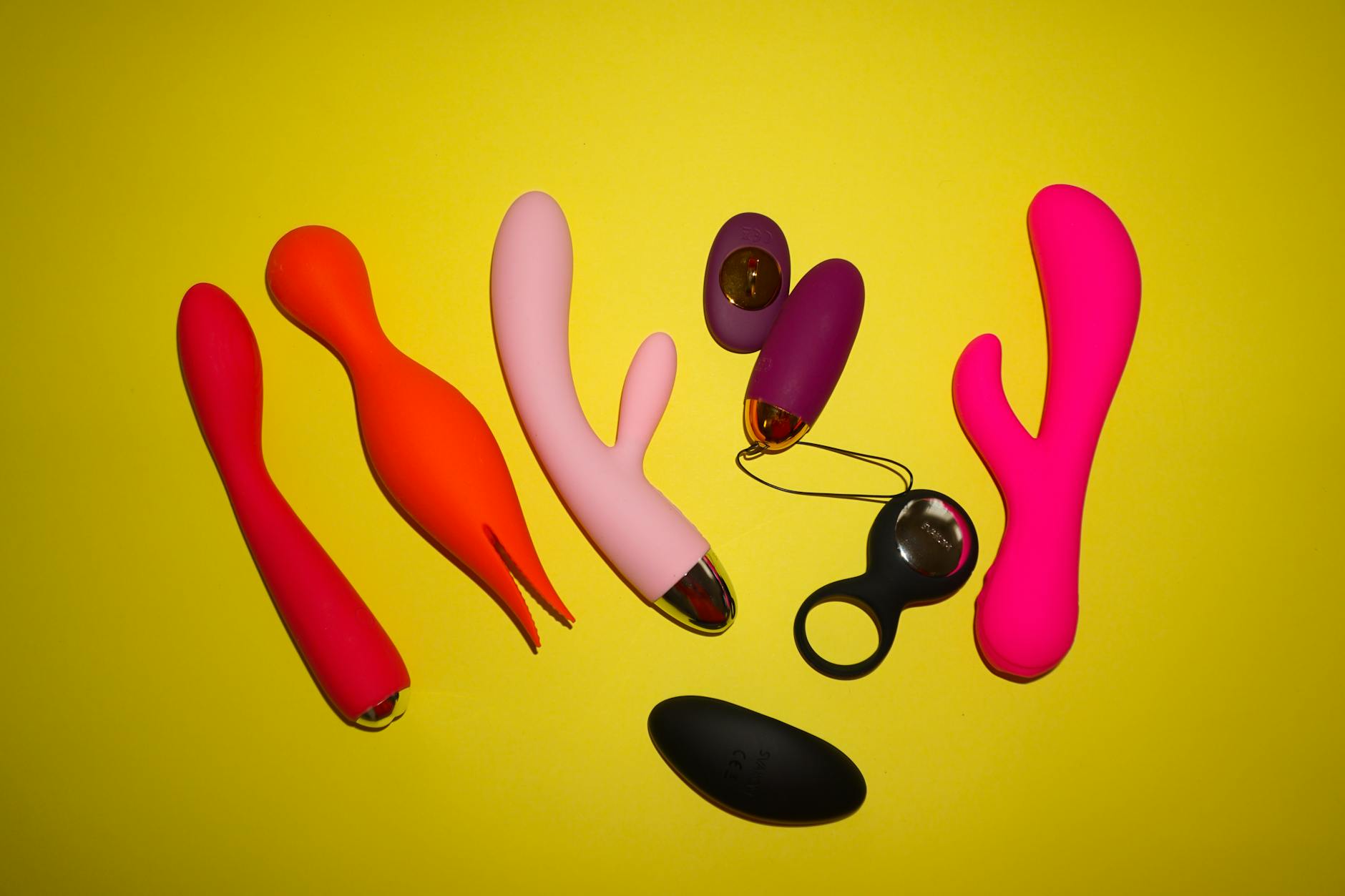
Photo by Vanessa Loring on Pexels
How to actually use a lemon vibrator postpartum
Start slow. Literally. If you're using a lem vibrator, begin on pattern 1 or 2. Your clitoral nerve endings are sensitive right now. What felt perfect before pregnancy might feel overwhelming now.
Use plenty of lubrication. Your body may not be producing as much natural lubrication as it did before pregnancy, especially if you're breastfeeding. Water-based lube is your friend. Apply it generously before you start.
Plan for 20-30 minutes, not 10. Postpartum bodies take longer to warm up. You're also still dealing with hormonal flux and the psychological weight of being "on call" for someone else. Give yourself actual time to transition into pleasure.
Don't aim for orgasm. This sounds backward, but it works. If you approach a lemon clitoral vibrator with the goal of climaxing, you're adding pressure. Instead, explore sensation. Does pattern 3 feel better than pattern 1? Does holding the lem at a different angle change the sensation? What happens if you breathe deeply? Pleasure is the goal, not the orgasm.
If it hurts, stop. Not all pain after pregnancy is normal. Sharp pain, burning, or intense throbbing means your body isn't ready yet. That doesn't mean something is wrong. It means you need more time or medical support.
When to involve a partner
Talk first. Before you bring a lemon vibrator into partnered sex, have an actual conversation. Not during intimacy. Not while you're half-asleep. When you're both present and you can say things like "I want to try this at my own pace" or "I'm nervous about whether my body still works the way it used to."
Your partner might feel insecure. They might worry that the vibrator means something is wrong or that they're not enough. This is their stuff to process, not yours. Your pleasure matters. Full stop.
Use the lemon vibrator as a warm-up, not a replacement. Many postpartum partners find that having the vibrator handle clitoral stimulation actually reduces pressure on them and makes the whole experience more pleasurable for everyone.
Let your partner watch, if you're comfortable. Watching you use the lem can be really hot for your partner, and it teaches them what your body responds to right now. This is also a low-pressure way to ease back into intimacy if you're not ready for penetration yet.
The emotional work nobody talks about
Postpartum bodies carry grief alongside joy. Your body literally changed shape. Breastfeeding may have felt invasive. You might not feel sexy or desirable. You definitely don't feel like yourself.
Using a lemon clitoral vibrator can be an act of reclamation. It's saying: "My body is mine. My pleasure matters. I get to explore what feels good now, not what felt good before."
Some postpartum people describe their first orgasm with a lemon vibrator after having a baby as weirdly emotional. You're not broken. You're not less sexy. You're just navigating a transition. Give yourself that grace.
If depression or anxiety is part of your postpartum experience, solo pleasure can actually help. It's grounding, it releases tension, it reminds you that your body can feel good. But if you're struggling, talk to your doctor or a therapist. Pleasure is one tool, not the solution.
Practical setup tips
Charge your lem vibrator the night before. Postpartum life is chaos. You don't want to discover a dead battery when you've finally carved out time for yourself.
Use a dark towel underneath you. Postpartum bleeding can be unpredictable, and you don't need to worry about mess while you're trying to relax.
Close the door. Lock it if you can. You need actual privacy, not just the assumption that no one will walk in.
Put your phone somewhere else. Yes, really. The reflex to check it is strong, and it will interrupt your focus. Give yourself actual uninterrupted time.
Keep water nearby. You're exploring, you might be nervous, and staying hydrated helps your body respond better to stimulation.
The FAQ: what postpartum people actually ask
Is it safe to use a lemon clitoral vibrator if I'm still bleeding?
Yes, as long as your health care provider has cleared you for any sexual activity. Bleeding doesn't make it unsafe. Lochia (postpartum bleeding) is just the uterus shedding. It's normal and expected. That said, if you're actively passing large clots or soaking through pads, wait a bit longer. Your body is asking for rest.
What if I can't orgasm yet?
That's normal. Postpartum hormonal shifts, sleep deprivation, and the psychological weight of early parenthood all suppress orgasm. A lemon vibrator can help rebuild the neural pathways for pleasure, but it won't force an orgasm that isn't ready to happen. Focus on sensation instead. Orgasm will likely return on its own timeline.
Will using a vibrator hurt my partner's feelings?
Only if you frame it that way. If you present the lemon vibrator as "you're not enough," yes, that stings. If you frame it as "I want to explore what my body likes right now," it's just information. Most partners actually feel relief when the pressure comes off them and onto a tool that can handle clitoral stimulation consistently.
Can I use a lemon vibrator if I'm breastfeeding?
Yes. Breastfeeding hormones might lower your desire, but using a vibrator won't affect your milk supply or harm your baby. One note: your breasts might be sore or sensitive. Avoid direct stimulation there if it's uncomfortable. Stick with clitoral play.
What if penetration still feels impossible?
Then don't do it. A lemon clitoral vibrator gives you a path to pleasure that doesn't require penetration. Some postpartum people need 6 months or a year before they're comfortable with penetration again. That's not a failure. That's your body communicating its needs.
How do I clean and care for my vibrator postpartum?
Wash it with warm soapy water after each use. Store it somewhere safe and dry. Check the battery regularly. If you're still bleeding, use it on a dark towel and rinse it right after. Proper care keeps your vibrator safe and extends its life. For detailed care tips, see our care guide.
Wrapping up: pleasure is a form of healing
Postpartum bodies are in transition. Hormone levels are shifting. Neural pathways are rewiring. Your relationship with your own body is being rebuilt. A lemon vibrator can be part of that rebuilding process, but only on your timeline and only when it feels good.
If you're struggling with postpartum mood, pain, or intimacy issues that feel bigger than adjustment, talk to your doctor. Pleasure is healing, but it's not a cure. Professional support matters too.
Your body survived something incredible. You deserve to feel good in it again. Take your time. Use the tools that work for you. And remember: there's no "normal" timeline for postpartum intimacy. Your timeline is the right one.