Let's start with what hormonal trauma actually is
It's not in your head. When your body has been hijacked by hormones, birth control side effects, medical procedures, or unexpected menstrual changes, pleasure doesn't just disappear. It gets buried under anger, distrust, and the distinct feeling that your own skin has become hostile territory.
You can know intellectually that solo pleasure is safe and good for you. Your nervous system still doesn't believe it.
Why rebuilding takes time (and why that's okay)
Hormonal disruption damages more than just physical sensation. It damages the bridge between what you want and what your body will actually do. That gap between intention and execution creates shame, and shame makes pleasure feel impossible.
I work with people rebuilding this bridge almost daily. They describe it consistently: it's not that sensation is gone. It's that the signal between brain and body has static on the line.
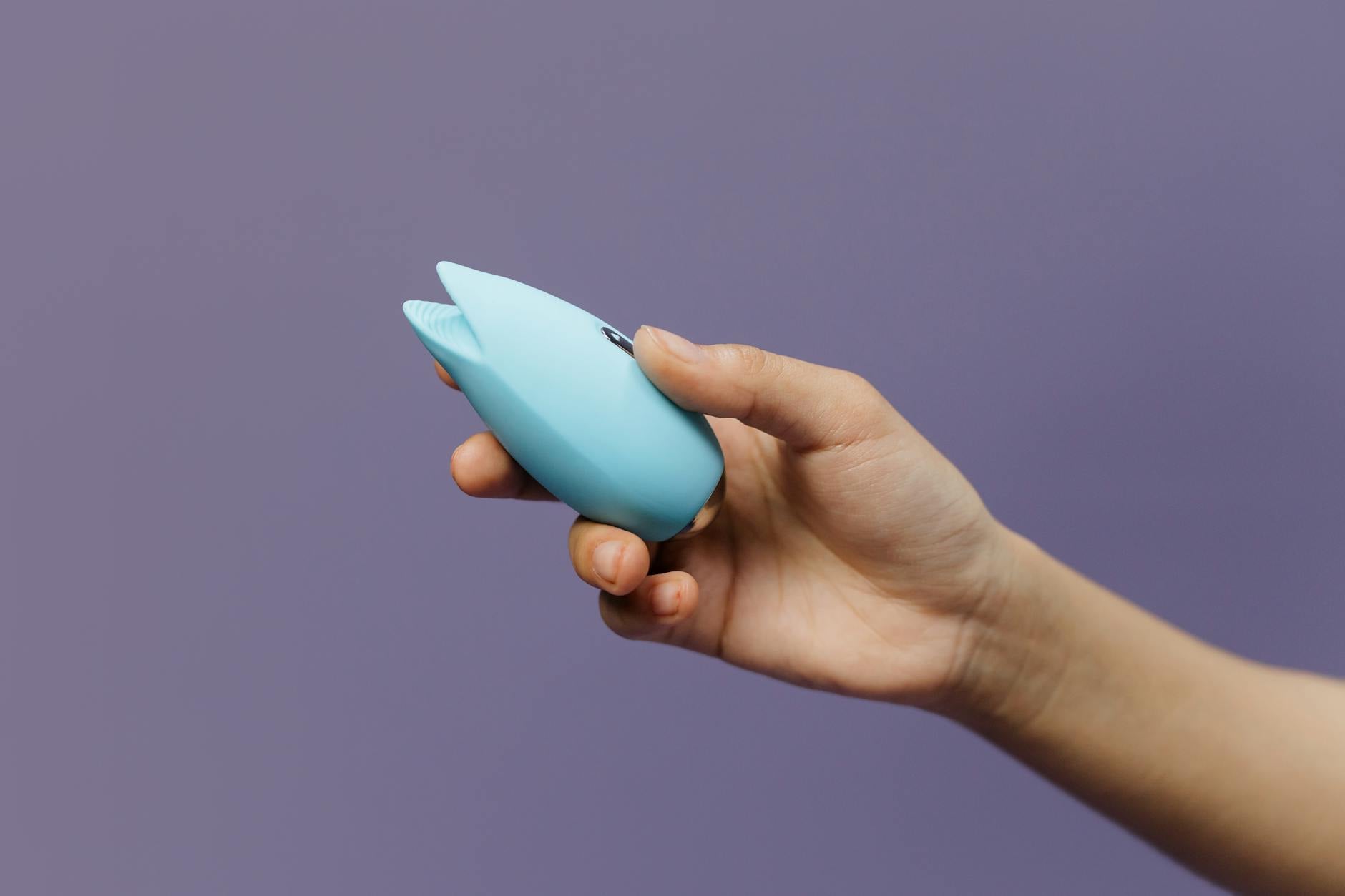
A lemon clitoral vibrator works here because suction stimulation bypasses some of that damage. Instead of retraining touch that's felt betraying, you're introducing a fundamentally different sensation. It's new enough that it doesn't carry the old wound.
The neurology of gentle reintroduction
When you've experienced hormonal trauma, your amygdala (the threat-detection part of your brain) has learned to flag sexual pleasure as potentially dangerous. Rebuilding involves literally rewiring that association, and that happens slowly.
Research on trauma recovery shows that novel, gentle stimulation helps reset threat responses faster than trying to force yourself back into old patterns. A lemon vibrator's rhythmic suction creates a sustained, predictable sensation that's genuinely different from penetration or direct clitoral friction.
Your brain registers it as: interesting, not dangerous, possibly safe.
Three months to baseline reconnection
I'm not going to promise you'll feel "normal" in a week. Realistic timeline: three to four months of consistent, pressure-free solo exploration before most people report genuine pleasure returning. Some sooner. Some it takes longer. The hormones take time to metabolize out of your system, too.
But within three to four weeks, most people notice something shifting. A curiosity returning. A moment where sensation doesn't feel like a betrayal. That's the win to watch for, not the orgasm.
Where to actually start
First week: don't use the lemon vibrator at all. Spend time touching your own body without agenda. Thighs, belly, neck, shoulders. Notice what feels neutral, what feels protective, what feels genuinely good. This sounds basic. It's not. Many people haven't touched themselves without a goal in years.
Week two: introduce the lemon vibrator, but just hold it. Don't turn it on. Let your hand get used to its weight and texture. Use it the way you'd hold a hand you trust. Some people keep it near them during other activities (reading, watching something, lying down) just to normalize it as present.
Week three: turn it on at the lowest setting and run it over your inner thighs, hips, belly. Anywhere except the clitoris. The suction pattern of a lemon vibrator is designed for clitoral tissue, but right now you're training your nervous system that vibration equals safe touch. External exploration first.
Week four onward: if you're ready (and only if), try the gentlest setting on the vulva, but away from the clitoris. The labia majora, the opening. Let your body decide if and when direct clitoral contact feels good. You might not be ready for two more weeks, and that's completely normal.
The specific technique that helps most people
When you do move to clitoral contact, here's what works: use the lemon vibrator at settings 1 or 2 out of 10. The lowest hum. Many people used to fast, intense stimulation expect to need that again. You don't. Your nervous system is relearning, and lower intensity actually lets your brain track sensation more clearly.
Place the lemon vibrator gently over the clitoral hood. Not moving. Just resting. Let the suction do its work for 30 seconds. Then remove it. Breathe. Notice what you feel. Repeat.
This stop-start pattern isn't torture. It's teaching your body that pleasure doesn't require effort or performance. Pleasure is something you receive, not something you achieve.
Most people spend four to six weeks doing this before they add any movement. That patience is the whole point.
What to do about distraction and intrusive thoughts
Your brain is going to try to convince you that you're broken, that pleasure will never return, that this is pointless. That's the amygdala doing its job badly. Acknowledge it. "That's my threat response talking, not the truth."
If you find yourself spiraling, stop. Close your eyes. Name five things you can touch with your hands right now. That grounds you back in the present moment instead of the fear response.
Why you might not orgasm yet (and why that's the goal)
If you're rebuilding solo pleasure after hormonal trauma, orgasm is not the metric. Sensation is. Connection is. The ability to feel something in your body without flinching is.
Many people come to me terrified that they'll never orgasm again. Most of them do, eventually. But it takes pressure off if you reframe success as: I touched myself without shame today. I felt something that wasn't painful. My body remembered what safe touch feels like.
Those are wins.
Setting boundaries with partners during this time
If you're rebuilding in a relationship, your partner needs to know three things: This is not about them. This is about you relearning your own body. And your body's healing timeline is not negotiable.
Some partners try to help by offering touch. That usually makes things worse, because now you're managing their feelings while you're trying to manage your nervous system. Solo work first. Partnership work later.
If your partner can't respect that boundary, that's information, too.
The role of lube and other support
Even if lubrication isn't physically necessary, use it anyway. A high-quality water-based lubricant sends a signal to your nervous system: this is care, not performance. It's also a permission structure. You deserve nice things, even just the slick feeling of good lube.
Some people find that setting (music, scent, temperature) matters too. A specific song that feels grounding. A room that's warm and dark. These aren't luxuries. They're scaffolding your nervous system needs to feel safe enough to explore.
How to know when you're ready to move forward
You'll notice it. Somewhere around week eight or twelve, you'll touch yourself and realize you're not thinking about the trauma anymore. You're just feeling sensation. That's when you can start experimenting with higher settings, with movement, with whatever else sounds interesting.
Your body will tell you. Listen to it.
FAQ
What if I feel nothing at all when I use the lemon vibrator?
Nothing is also data. Numbness after hormonal trauma is real and it's a symptom your nervous system is still protecting itself. Stay consistent. Don't push. Four to eight weeks in, you'll usually notice a shift, even if it's small. If it's been three months and sensation hasn't changed at all, talk to a gynecologist who specializes in trauma, because sometimes there's a physical component that needs medical support.
Can I use a lemon vibrator with a partner while rebuilding?
Solo first, usually. Once you've reconnected with sensation and pleasure on your own terms (roughly week eight onward), adding a partner is possible if you want it. But many people find that rebuilding solo gives them enough confidence that partnered pleasure feels optional rather than obligatory. That choice matters.
How often should I be using the lemon vibrator during rebuilding?
Three to four times a week is a sweet spot. Enough that your nervous system keeps learning that this is safe. Not so much that it becomes a chore or something you're forcing. If you're dreading it, you're doing too much. If you're curious about it, you're in the right rhythm.
Does the Lem vibrator specifically help with hormonal trauma rebuilding?
The Lem's suction design is particularly good for this because it offers sustained, rhythmic stimulation that's genuinely different from what most people knew before. But honestly, any quality clitoral vibrator can work if you approach it with patience. The tool matters less than the permission you're giving yourself to rebuild.
What if orgasm still doesn't happen after four months?
Talk to a sex therapist or a trauma-informed gynecologist. Sometimes rebuilding takes longer. Sometimes there's a secondary issue like vaginismus or pelvic floor dysfunction that needs professional support. That's not failure. That's just having more information about what your body needs.
Is it normal to cry while rebuilding solo pleasure?
Completely normal. You might be releasing grief about what happened to your body, anger at the hormones, or just the relief of reconnection. Cry. It's not a sign you're doing it wrong. It's a sign you're feeling something, and that's the whole point.
The long view
Rebuilding solo pleasure after hormonal trauma isn't fast or linear. You'll have weeks where sensation feels present and weeks where it vanishes again. That's okay. Your nervous system is learning that pleasure is possible even after betrayal. That's a big psychological task, and it deserves time.
A lemon vibrator is a tool in that process, not a cure. But tools matter when you're rebuilding something broken. Use it gently. Use it consistently. And above all, use it without judgment.
Your pleasure matters. Your body's healing timeline matters. And you deserve both.