When numbness kills the feeling
Clitoral numbness is one of the least talked about pleasure problems, which means most people who experience it think they're alone. They're not. Overuse of high-intensity toys, years of using the same vibrator at maximum power, pressure-based stimulation that's too repetitive, or even just decades of orgasming the same exact way can all flatten sensation over time. Your clitoris isn't broken. It's desensitized.
Here's what happens physiologically. The nerves in your clitoris get fatigued. Repeated intense stimulation trains your nervous system to require more and more input to register pleasure. It's like the volume dial on a speaker. Someone's been cranking it to 11 for years, so now whisper-level sound goes completely unheard. The good news: the dial can be turned back down, and sensation can return. A lemon vibrator from Hallo Nancy Lemons is actually one of the best tools for making that happen, because it works differently than what's probably been numbing you in the first place.
Why traditional vibrators make numbness worse
Most vibrators deliver consistent, direct vibration. Set it to pattern 5 at full power, and your clitoris gets battered by the same frequency for 20 minutes. Your nervous system adapts. It stops paying attention. It's like living next to an airport. The first week you notice every plane. By week 52, your brain has filtered out the sound entirely.
A lemon clitoral vibrator works via suction and gentle pulsation, not constant vibration. The sensation is gentler, more varied, and it stimulates different nerve pathways than a traditional vibrator does. When you've numbed out one sensation channel, suction-based toys can activate dormant ones. That's the retraining mechanism that makes them particularly useful for desensitization recovery.
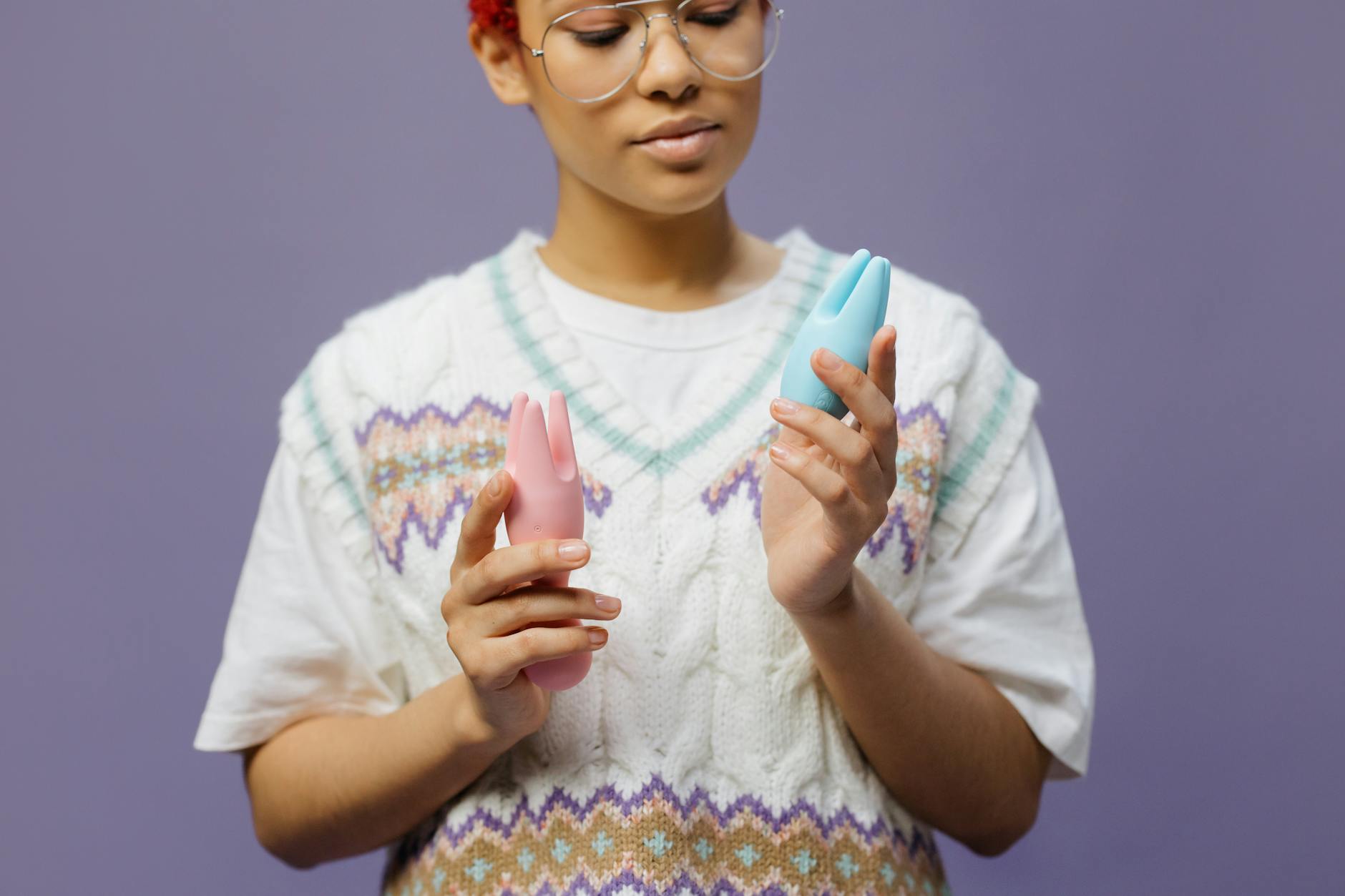
Photo by cottonbro studio on Pexels
The retraining protocol for sensation recovery
If you've been using high-intensity vibrators regularly, your clitoris probably needs a break before retraining can work. This is the hardest part, honestly. Two to four weeks without any direct clitoral stimulation. Not using anything. Solo or partnered touch is fine, but no toys, no forced orgasms. Your nervous system needs time to reset its baseline sensitivity.
This sounds punishing, but it's actually necessary. Think of it like resting a muscle that's been overworked. You can't build it back while you're still straining it.
After the break, you reintroduce sensation deliberately. Start with a lemon vibrator at the absolute lowest setting. Not because you're afraid, but because your clitoris is essentially relearning what sensation is. You're rebuilding the neural map. At level 1 on a lemon sucker toy, you're getting gentle pulsation that most people describe as "barely anything." That's exactly what you want. Barely anything is information. Your nervous system files it, processes it, and slowly stops needing more to feel satisfied.
Positioning and pressure matter more than power
With traditional vibrators, power compensates for bad positioning. You can jam a strong vibrator anywhere and eventually something registers. With a lemon clitoral vibrator, positioning is the entire game. The suction cup works because it creates a seal around your clitoris and gentle pressure that pulls at the tissue. That pulling sensation is what wakes up numb nerves.
For someone recovering from numbness, the goal is light contact with maximal sensation variety. Place the lemon vibrator over your clitoris gently. You shouldn't feel like you're fighting pressure. If you're clenching your pelvic floor or pushing back against the toy, you're using too much force. You want the suction to do the work, not your muscles.
Experiment with angles. Slight tilt to the left. Slight tilt to the right. Direct contact. These micro-variations matter because they're hitting different nerve clusters. Your clitoris has internal structure you probably can't see, but you can feel it if you're paying attention and using the right tool.
The sensitivity dial method
Spend a full week at level 1. This is not a sprint. Your job is to notice what level 1 feels like. Some people report barely feeling it at first. That's normal. Sensation might return suddenly, or it might creep back gradually. Either is fine. You're rewiring, not forcing.
After a week, move to level 2. Same protocol. Another full week. You're building a foundation of sensitivity at each stage, not jumping around or testing yourself against your old capacity. You're not trying to have the same orgasm you had five years ago. You're creating a new baseline.
Keep a very simple log if it helps. "Day 1-7: Level 1, sensation subtle but present." "Day 8-14: Level 2, starting to feel more defined." Nothing fancy. Just tracking so you can see the progression. Many people find that simply paying attention speeds up recovery.
Solo sessions versus partnered exploration
When you're retraining sensation, solo time is easier because you control everything. No pressure to perform. No timing someone else's need. No self-consciousness. That freedom lets your nervous system focus on input, not output. That's exactly what recovery needs.
If you have a partner, they can join this process eventually. But not yet. First, you get the sensation stable again on your own. Then, when you're ready to bring them in, they need to understand the difference between their usual touch and this new, gentler approach. This is where many couples hit friction, because partners often interpret "slower and lighter" as "less interested." It's actually the opposite. You're interested enough to retrain your whole nervous system. Frame it that way.
When you do introduce a partner, have them watch the first time you use your lemon vibrator. Let them see the positioning, the power level, the speed. Then they can understand what sensation recovery actually looks like, and they can participate if you want them to, without accidentally cranking intensity back up to where it was.
When sensation returns faster than expected
Some people's clitorises bounce back within two or three weeks. Some take two or three months. Both are normal. The timeline depends on how long you've been numb, how intense the original overstimulation was, and your individual nervous system's recovery rate.
If sensation returns quickly and you feel tempted to "test" yourself by jumping back to your old intensity, don't. This is the relapse moment. You rewired your clitoris to need less. Prove that you mean it by staying with lower intensity even when you could probably handle more. This cements the new baseline and prevents you from slipping backward.
That said, lower intensity doesn't mean low pleasure. Once you're reacclimatized, you'll probably find that level 3 or 4 on a lemon vibrator from Hallo Nancy Lemons gives you a more nuanced, sustained kind of pleasure than level 11 on your old toy ever did. Different doesn't mean worse. It often means better.
Rebuilding pleasure after desensitization
Clitoral numbness is often paired with emotional armor. If you've spent years not feeling much physically during sex, you probably haven't been feeling much emotionally either. Some of that is protective. Some is just the disconnect that happens when sensation flatlines.
As physical sensation returns, emotional presence often does too. You might find yourself more aware during touch. More present with your partner. More honest about what you want. This isn't a side effect of the lemon vibrator. It's what happens when your nervous system gets permission to feel again.
The body and the mind are not separate systems. Numb clitoris, numb everything else. Reawakened clitoris, reawakened everything. It's one integrated recovery.
FAQ: Clitoral numbness and lemon vibrators
How long before I notice sensation returning?
Three to seven days at level 1 is typical. Some people report noticing a difference within a few sessions. Others need two weeks. The key is not to quit before that window closes. Most people who bail out do it in week two, right before breakthrough.
Can I use my old vibrator alongside the lemon vibrator?
Not during recovery. Mixing them is like trying to stay on a diet while eating cake. Your nervous system will revert to the pattern that requires the most stimulation. Stick to one tool during retraining. Once sensation is stable, you can reintroduce your old toys at lower intensities if you want.
What if nothing feels different after a month?
If numbness persists beyond four weeks of consistent retraining with a lemon vibrator at low levels, check in with your healthcare provider. Numbness can occasionally indicate nerve damage or be a side effect of medication. That's worth ruling out before continuing solo troubleshooting.
Does the lemon clitoral vibrator work for everyone with numbness?
Most people find the suction mechanism more effective than traditional vibration for rewaking sensation, but everyone's nervous system is different. If you're not noticing improvement after six weeks, you might benefit from talking to a sex therapist or pelvic health specialist who can assess what's happening and suggest alternatives.
Can I still have an orgasm while retraining?
Yes, but the goal is to let orgasms happen naturally, not chase them. If you're focusing on whether you'll come, you're not focusing on sensation. Let pleasure build at whatever pace it builds at. The orgasm is the side effect of good sensation awareness, not the goal itself.
Is this the same as just needing more lube?
No. Numbness is a nervous system desensitization issue, not a lubrication issue. Lube helps with comfort, but it doesn't rewire your clitoris. That's why retraining with a different tool, at lower power, over time, matters. You're teaching your body something new, not just adding moisture.
The path forward
Clitoral numbness isn't permanent. It's an adaptation your body made to protect itself or to cope with repetitive input. That same nervous system can adapt back. It takes patience. It takes the right tool. It takes willingness to feel less in order to feel more. A lemon vibrator is designed specifically for this kind of work. Your clitoris is waiting for permission to wake up.
If you're ready to start, reach out. We're here to help you navigate the process. Contact us if you have questions about sensation recovery or want guidance tailored to your situation.