The weird gap nobody talks about
You feel better. Your therapist says you're doing great. Your meds are dialed in. And then you realize: you still don't want sex. Or worse, you're not even sure if you want it, because for so long, you couldn't want anything at all.
Depression doesn't just flatten desire. It scrambles the whole system. Even after clinical depression lifts, the neural pathways for pleasure stay quiet for weeks or months. Your body needs to relearn what arousal even feels like.
This is completely normal, and it's not a sign that you're still depressed or broken. But it does mean that jumping back into sex like nothing happened rarely works. You need a different approach.
What depression actually does to your pleasure system
When you're in a depressive episode, a few things happen at once. Dopamine (the neurochemical that gives you the "want" feeling) plummets. Serotonin drops too, which affects mood, but also confidence and presence. The amygdala (your brain's alarm system) gets stuck in overdrive, so even neutral sensations can feel threatening or exhausting.
Your brain also rewires reward pathways. Things that used to feel good become invisible. Food tastes like nothing. Touch feels numb or intrusive. Sex becomes something that happens to you rather than something you do.
When depression lifts, that rewiring doesn't flip back overnight. Your dopamine receptors are still recovering. Your nervous system is still learning that stimulation doesn't equal threat. Your brain needs time to remember that pleasure is safe.
Why your first instinct might not be trustworthy
Here's something I see often in my practice: people emerge from depression and feel a surge of what looks like libido. Suddenly they want their partner or they're curious about sex again. It feels like healing. Sometimes it is.
But sometimes it's just relief. Relief that you can feel anything at all. Relief that numbness is breaking. And relief can masquerade perfectly as desire for about two weeks before the truth shows up.
The way to tell the difference is simple: can you imagine pleasure on your own? Not performance, not duty. Just you, solo, with permission to explore without an audience.
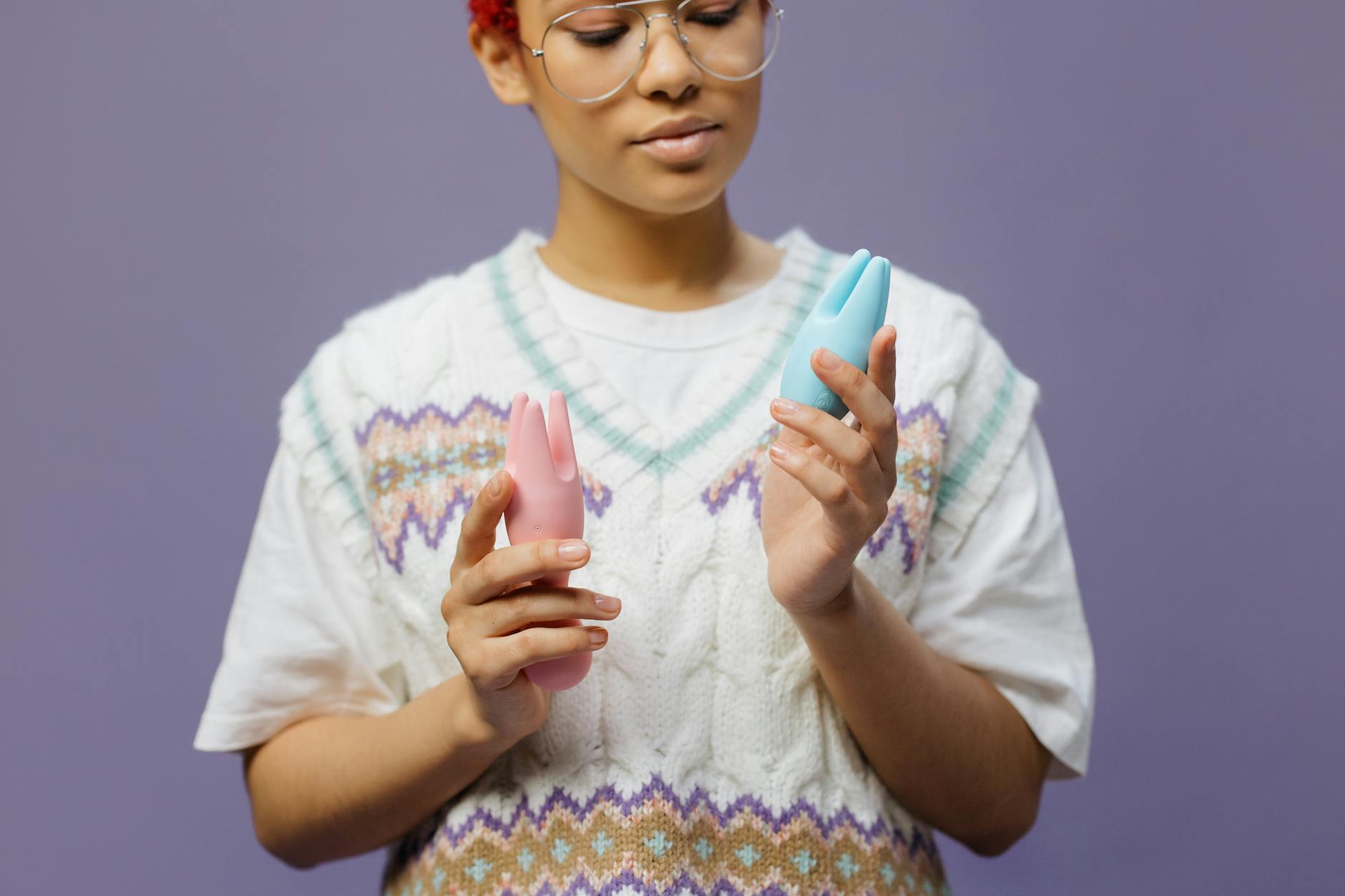
That's where a device like the Lem comes in. It's not a performance tool. It's a diagnostic tool. Using a lemon clitoral vibrator solo lets you figure out what your actual desire looks like separate from relief, gratitude, or obligation.
Starting solo before you involve a partner
If you're partnered and you want to resume intimacy, the kindest thing you can do is start alone first. Give yourself two weeks of solo exploration before you tell your partner you're ready.
Here's why: depression recovery is fragile. When you're rebuilding libido, one bad experience (discomfort, performance pressure, a moment where your nervous system spikes) can set you back weeks. Solo play has no pressure. There's no one to please, no one watching, no expectations about finishing or getting wet or coming.
Find a quiet space. Block out 20 minutes when you won't be interrupted. Start with no expectations. Just touching your body. After a few sessions, introduce a lemon vibrator at the lowest setting. You're not trying to have an orgasm. You're trying to remember what arousal even feels like.
Many people recovering from depression report that this feels awkward or numb at first. That's fine. You're retraining a system that got unplugged. It takes time.
The practical setup for reclaiming pleasure
Four things make a difference when you're rebuilding.
First, use water-based lubricant. Depression and the medications that treat it often affect natural lubrication. You might be dry even if arousal is building. Don't interpret dryness as a sign that you're not actually interested. It's just a body fact. Lube helps the Lem work more effectively and feels better against tissue that's been offline for months.
Second, start at pattern one or two on your lemon vibrator. Your clitoral nerve endings are sensitive right now in a different way than they were before depression. Lower intensity means you can stay present without your nervous system spiking and shutting down.
Third, touch other parts of your body first. Your breasts, your neck, your inner thighs. Build arousal gradually instead of going straight to the clitoris. Depression makes people forget that pleasure is a full-body experience. Remind yourself.
Fourth, have an exit strategy. If at any point you feel numb, dissociated, or uncomfortable, stop. Not as failure. As information. Your nervous system is telling you something. Listen to it.
Recognizing false starts and what to do about them
You'll have sessions where arousal builds, sensation feels real, and then suddenly it evaporates. You feel nothing. Maybe a little shame follows because you "failed."
This is your nervous system recalibrating. It's not failure. It's healing in action.
Depression survivors often experience what's called "spotty arousal." Some days sensation is vivid. Other days your clitoris feels like it belongs to someone else. This can last months into recovery. It's not abnormal. It's not permanent. It's the timeline for rebuilding.
Keep a simple note on your phone. Date, time, pattern you used on the Lem, how long you spent, and what you felt (or didn't). Over weeks, patterns emerge. You might notice that morning sessions work better than evening ones. Or that you need to be less cold sober and more relaxed. Or that certain thoughts or scenarios help. This data becomes your roadmap.
When to involve your partner
You're ready to include your partner when all three of these are true.
First, you've had at least three solo sessions where you felt something consistent, even if it wasn't fireworks. Not every session needs to be successful. But you need to know what arousal in your body feels like right now, post-depression.
Second, you can tell your partner the truth. "I'm still figuring this out. I might not orgasm. I might need to stop. I might want to use the Lem. None of that means I don't want you." If you can't have that conversation, you're not ready yet.
Third, you've had a session (solo or partnered, doesn't matter) where you felt genuinely present. Not numb, not going through motions, not performing. Actually there. If that hasn't happened, give yourself more time.
When your partner does join in, keep the pressure off. The goal isn't arousal. The goal is presence and touch. If you feel like using a lemon clitoral vibrator, invite them to be curious about it with you. Lots of partners find it hot. Some find it threatening. This is useful information for rebuilding intimacy, not a referendum on your relationship.
What actually changes as you rebuild
Most people find that post-depression libido is different from pre-depression libido. It's often quieter. Less urgent. More fragile to interruption. This isn't wrong. It's just the new texture of your desire.
Many people also report that arousal, when it returns, is more focused. The scattered fantasies and constant background hum of interest give way to deeper attention to actual sensation. Boredom becomes possible again. Preference becomes possible again. You get to have wants instead of just absence of numbness.
Use a lemon clitoral vibrator as you're rebuilding because the Lem doesn't require arousal to feel good. The suction mechanism works on sensation, not on mental state. So even on days when you're not sure if you want pleasure, the device can help your nervous system remember what it feels like to be touched in a way that feels good. That's not performance. That's healing.
The timeline you actually need
Honestly though, there's no universal timeline. Some people feel desire returning within weeks. Others need months. If you're on an antidepressant, some medications blunt libido as a side effect. That's a separate conversation with your prescriber. Sometimes switching meds helps. Sometimes adding something helps. Sometimes you just have to decide what trade-off you're making.
But if you're off antidepressants or on a low-libido med, expect at least three months before you feel like yourself sexually. That's the timeline for dopamine receptors to fully recover. In the meantime, solo play with a device like the Lem keeps the pathway open. It reminds your body that pleasure is possible. It gives you information about what's actually happening versus what you think should be happening.
Depression is a cruel teacher in a lot of ways. One of the cruelest is that it takes away pleasure and then makes you doubt your own pleasure when it comes back. Trust the slow rebuild. Trust your body's timeline. Trust that you don't have to perform sexual normalcy before you actually feel sexual again.
People also ask
Is it normal to feel nothing during solo exploration after depression recovery?
Completely normal. Depression rewires pleasure pathways. That rewiring takes time to reverse. You might feel numbness, disconnection, or pressure to feel something that isn't there. All of that is part of recovery, not a sign that something's wrong. Give yourself at least two weeks of sessions before you draw conclusions. Your nervous system is learning that sensation is safe again.
Can antidepressants permanently kill your libido?
No. Some antidepressants suppress libido while you're taking them. Others don't. If libido is completely absent while you're on medication, talk to your prescriber about switching to a medication with less sexual side effects. SSRIs are common culprits. Bupropion and certain others have fewer libido impacts. It's a legitimate medical conversation, not something to shame yourself about.
What if I feel arousal but it doesn't lead anywhere?
That's spotty arousal, which is typical in recovery. Your nervous system is still learning that pleasure is safe and available. Some sessions will build momentum. Others will plateau or fade. Keep going. Over weeks, the plateaus become less frequent. The fades happen later and less completely. You're retraining a system. Training isn't linear.
Should I tell my partner I'm using a lemon vibrator solo while rebuilding?
That depends on your relationship and trust level. If you have good communication, honesty is usually helpful. It removes shame and invites them to be part of your healing rather than outside of it. If you're not sure how they'll react, you might start with solo exploration and tell them once you feel more solid in your own desire.
How do I know when I'm actually ready for partnered intimacy again?
You're ready when you've felt genuine arousal solo, when you can tell your partner the truth about where you are, and when you want your partner specifically, not just the relief of feeling desired. If you're not sure, you're probably not ready yet. That's not failure. That's wisdom.
What if pleasure never comes back the same way?
It often doesn't. And that's okay. Post-depression sexuality is frequently quieter, more selective, less intrusive. You stop wanting all the time and start wanting specific things. That's not loss. That's development. You get your agency back. That's the goal.