Let's talk about the part they don't mention in the discharge papers
Gynecological surgery derails intimacy. The medical team gives you a clearance date. But "cleared for sex" and "ready to actually want sex" are two entirely different things. Most people discover this the hard way: they hit the calendar deadline, try, and find their body has other plans.
Here's what actually happens after procedures like hysterectomy, fibroid removal, endometriosis surgery, or ovarian work. And more importantly, how to rebuild pleasure without forcing it.
What the surgery actually does to sensation
When a surgeon works in your pelvic region, they cut through tissue layers. Your body treats this as trauma, and it responds by numbing the area while healing happens. This protective response is smart biology. It's also wildly frustrating when you're trying to feel arousal.
Nerve endings take time to wake back up. We're talking weeks to months, sometimes longer. The clitoris may feel less responsive at first. Some people describe it as distant, muted, or like they're touching someone else's body. That sensation is completely normal and completely temporary.
There's also inflammation you can't see. Scar tissue forms, then reorganizes, then settles. For the first 4-6 weeks after most gynecological procedures, your pelvic floor is essentially holding its breath. Asking it to relax into pleasure too soon feels impossible.
Why the timeline varies so much
Three major variables shift when you'll actually feel ready.
Type of surgery. A minimally invasive laparoscopic procedure heals faster than open abdominal surgery. A hysterectomy rewires your entire pelvic ecosystem, while targeted endometriosis excision might have a shorter recovery window. Your doctor gave you a physical clearance date, but that's about tissue healing, not nervous system readiness.
Your baseline anxiety. If you went into surgery worried about your sexual identity or your relationship's future, that anxiety doesn't magically vanish when you get stitches removed. Emotional recovery often takes longer than physical recovery, and it directly impacts whether your body can relax enough to feel pleasure.
How your partner responds. If they've been treating you like you're fragile for six weeks, your nervous system learned to stay guarded. Trust and safety are prerequisites for arousal. Rebuilding that takes conversation, not just time.
The actual pathway back to sensation
This is where most recovery plans go wrong. People jump straight from "no penetration" to "let's try intercourse." That's skipping about five essential steps.
Weeks 1-4 post-op: Your job is to do literally nothing sexual. Let your body heal. Don't touch the surgical site. This is about trust in the process, not deprivation.
Weeks 4-6: Once you have medical clearance, start exploring sensation outside the surgical zone. This means touching your breasts, your inner thighs, your neck, your shoulders. The point is to reestablish that your nervous system can still receive pleasure signals. Many people are shocked to discover they've numbed out way beyond the surgical site.
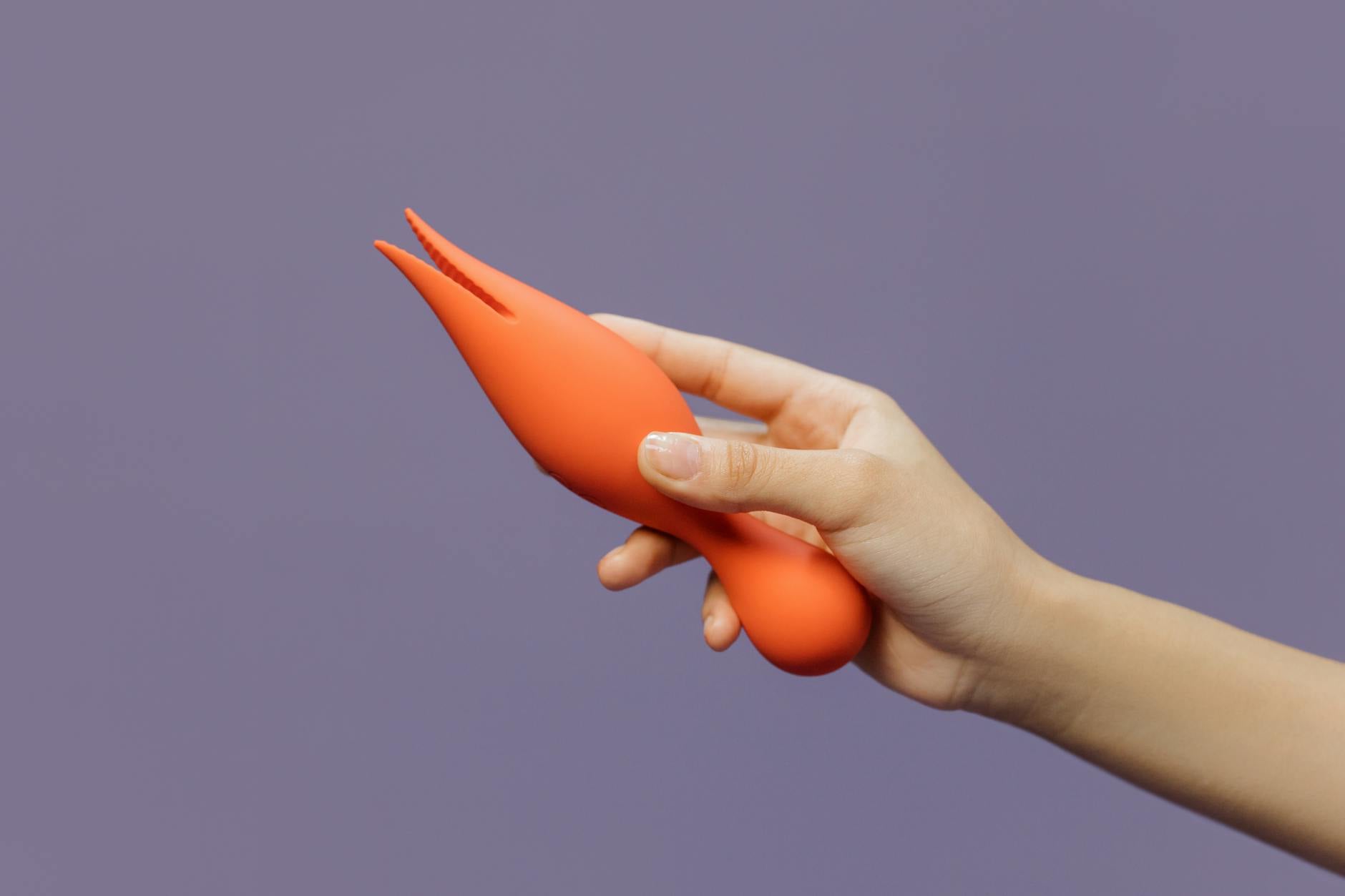
Weeks 6-8: Introduce external clitoral stimulation, but gently. This is where many people make their first real mistake. They use the same intensity they did pre-surgery. Your nervous system has forgotten how to interpret vibration. A lemon clitoral vibrator is ideal here because the suction-based sensation is fundamentally different from the pressure-based stimulation you're used to. Suction doesn't require the same level of tissue responsiveness.
Weeks 8-12: If sensation is returning, you can start exploring rhythmic patterns. This is about rebuilding muscle memory, not chasing orgasm. Many post-surgery patients find that their first orgasms back feel weaker or different. That's not permanent. Your nervous system is recalibrating.
After 12 weeks: Most people are feeling something approximating normal by now. Some take longer. That's fine.
Why a lemon vibrator specifically helps in recovery
The Lem's design matters here. Traditional vibrators rely on direct pressure against tissue that's still healing. Suction-based stimulation (what the Lem and similar air-pulse devices do) activates a different set of nerve endings. It's gentler on healing tissue while still being powerful enough to wake up a numb nervous system.
Start on the lowest setting. You're not chasing sensation yet, you're coaching your body to remember what sensation feels like. The Lem's pattern variability also helps because your nervous system can't habituate to one single rhythm. It keeps neurons firing and responsive.
The emotional part (which is half the battle)
Here's what I see in couples recovering from gynecological surgery: one partner is terrified they've broken something, the other partner is terrified of hurting their partner, and nobody's actually talking about it. Silence creates space for catastrophic thinking.
If you have a partner, this is the conversation to have now, not when you're trying to get aroused: "My body's going to feel different to both of us for a while. I might get frustrated. You might get frustrated. Neither of those things means something's wrong. Let's promise to say that out loud instead of shutting down."
Solo recovery is different. You're doing this for you, not for anyone else. But you might also be grieving the body you had before surgery. That grief is real and it slows sexual recovery. It's worth acknowledging instead of pushing past it.
Common complications to watch for
If you're 12 weeks out and sensation hasn't returned at all, check in with your surgeon. Sometimes scar tissue needs physical therapy. That's not failure, it's just the next step.
If penetration is painful when it wasn't before surgery, that's worth mentioning to your gynecologist. Some people develop pelvic floor tension as a protective response to surgery. A pelvic floor physical therapist can help more than any vibrator can.
If arousal is back but orgasm feels impossible, you might be stuck in performance anxiety. This is where slowing down, using a lemon clitoral vibrator on low settings, and letting pleasure be the goal (not orgasm) helps. Your nervous system needs permission to be playful again, not productive.
When to reach out for support
If you're six months post-op and pleasure still feels completely absent, talking to a therapist who specializes in trauma (because surgery is trauma) can genuinely help. This isn't weakness. This is getting the right tool for the job.
Your surgeon can also discuss whether your hormone levels shifted during surgery. Some procedures affect estrogen production, which absolutely impacts lubrication and sensation. If that's happening, topical estrogen cream or systemic hormone therapy might be part of your recovery.
Hallo Nancy Lemons also has a whole buying guide that walks through clitoral vibrators designed for sensitivity recovery, in case you want to explore options beyond the Lem.
The timeline is yours
Someone online will tell you they had sex two weeks after surgery. Someone else will say they waited six months. Both are fine. Your body's recovery timeline is not a referendum on your desirability or your relationship's viability. It's just biology doing its thing.
Patience now means pleasure later. That's not a pep talk, it's physiology.
People also ask
How long after gynecological surgery can you use a vibrator?
Wait until you have medical clearance from your surgeon (usually 4-6 weeks), then wait another week or two before trying external clitoral stimulation. Your nervous system needs that buffer to start waking up. When you do start, use the gentlest setting on your lemon vibrator and treat it as an exploration, not a goal. If you feel sharp pain, stop immediately and check in with your doctor.
Can vibrator use affect surgical healing?
Using a vibrator on the external clitoris after medical clearance doesn't damage healing tissue in your pelvic region. The clitoris is external and separate from where most gynecological surgery happens. That said, if you have pain during or after using a vibrator, that's a signal to pause and check in with your surgical team. Pain means something's not ready yet.
Why does sensation feel numb after gynecological surgery?
Your body intentionally numbs the surgical area and surrounding tissue as a protective response during healing. Inflammation also dampens nerve signaling. This numbness extends beyond the exact surgical site because your nervous system is in recovery mode. As inflammation decreases and scar tissue stabilizes, sensation gradually returns. This process takes weeks to months depending on the type and extent of surgery.
Is it normal for orgasms to feel different after surgery?
Completely normal. Your pelvic floor, nerve pathways, and hormone levels all shift during recovery. Orgasms might feel weaker, shorter, or differently located than before. Some people find they need longer warm-up time or different stimulation patterns. These changes often resolve within a few months, but they can also be permanent depending on the surgery. That doesn't mean they're worse, just different.
When should you see a doctor if pleasure recovery is taking too long?
If sensation hasn't started returning by 12 weeks post-op, check in with your surgeon or gynecologist. If penetration is painful when it wasn't before, that's worth discussing. If your pelvic floor feels constantly tense, a pelvic floor physical therapist can help more than time alone. And if you're emotionally stuck (grieving your body, terrified of sex, disconnected from your sexuality), a trauma-informed therapist can help you process the surgery's impact on your sense of self.
Can hormonal changes from surgery affect sexual pleasure?
Yes. Some gynecological procedures, especially hysterectomy, can shift hormone production. Lower estrogen can mean less natural lubrication and less blood flow to genital tissue, which affects arousal and sensation. If you suspect this is happening, your gynecologist can check hormone levels and discuss whether topical or systemic hormone therapy makes sense for you. It's a legitimate part of post-surgery recovery, not something to tough out alone.