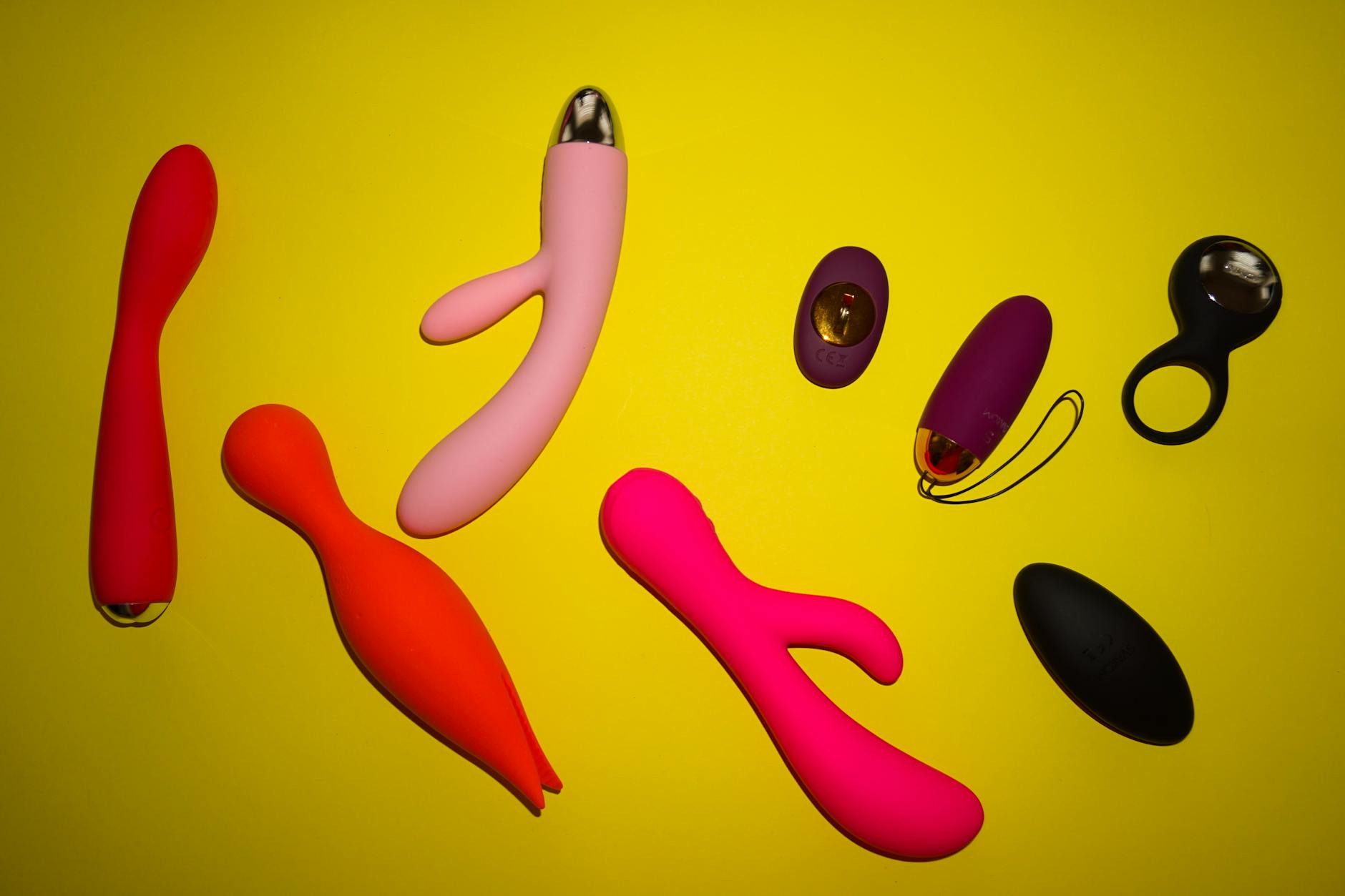
Pelvic floor dysfunction is a quiet pleasure killer
Let's be real. Pelvic floor dysfunction doesn't announce itself like a broken bone. It sneaks in as shallow sensation, difficulty reaching orgasm, or that weird pressure that kills arousal before it starts. You might not even know the pelvic floor is the culprit. But once you do, everything changes about how you approach pleasure again.
The pelvic floor is a group of muscles that support your bladder, uterus, and bowel. When they're chronically tight, they restrict blood flow to the clitoris, inhibit arousal signals, and make orgasm feel distant or impossible. Here's what matters: recovery is possible, and a lemon vibrator isn't just a toy during this process. It's a tool for rebuilding sensation safely.
What pelvic floor dysfunction actually does to sensation
When the pelvic floor is locked in tension, three things happen to pleasure.
First, vasoconstriction. Blood doesn't flow to the clitoris the way it should, so the tissue doesn't plump or become as sensitive. You might feel numb, even with direct stimulation.
Second, the pelvic floor muscles themselves become desensitized. Chronic tension creates a kind of neurological white noise. Your brain stops receiving clear signals from that area, so light touch feels dull.
Third, anticipatory tension kicks in. Your nervous system learns to brace before pleasure even starts, which shuts down arousal at the root. It's a feedback loop that gets harder to break the longer it runs.
The good news: all three are reversible. But it requires a different approach than typical pleasure exploration.
Why air-suction vibrators work better during recovery
Direct vibration can sometimes aggravate pelvic floor tension because it triggers the muscle to contract protectively. A lemon clitoral vibrator uses suction and gentle pulsing instead, which works differently neurologically.
Suction creates a sealed-cup sensation that stimulates nerves without the percussive shock of traditional vibration. This gentler input actually helps the pelvic floor learn to relax rather than clench. The lem vibrator, specifically, delivers this in patterns that feel less intense and more rhythmic, which is ideal for retraining your nervous system.
There's also the psychological piece. If you've had pain or dysfunction, you might be carrying fear around sensation. A lemon adult toy that feels new and different can help reset that association. Instead of "vibrator equals tension," your brain starts encoding "suction equals safe, pleasurable sensation."
Starting recovery: the first two weeks
Don't jump straight to intense patterns. Your nervous system has been protecting you with tension, and it won't believe it's safe to relax just because you say so.
Week one is all about exploration without expectation of orgasm. Set aside 15-20 minutes when you're genuinely relaxed, not when you're trying to "fix" something. Use the lemon sucker on its lowest setting, applying it for short bursts of 30-60 seconds, then stopping. Let your body reset between rounds.
The goal is noticing. What patterns feel tolerable? Where do you feel sensation most clearly? Does your pelvic floor tense up immediately, or does it take a few minutes? This is data, not judgment.
Water-based lubricant helps because it reduces friction and makes the seal feel more comfortable. Apply it generously around the clitoris before starting.
In week two, extend the duration slightly. Move to 2-3 minute sessions if the first week felt manageable. Pay attention to your breathing. Most people with pelvic floor dysfunction hold their breath during pleasure, which cranks tension higher. Try breathing in through your nose, out through your mouth, slowly and deliberately. Your pelvic floor will relax automatically if your nervous system is calm.
Pairing the lemon vibrator with actual pelvic floor rehab
The vibrator alone won't undo years of tension. It's one tool in a bigger recovery picture.
Here's what works alongside using your lemon clitoral vibrator: pelvic floor physical therapy. A PT trained in this area can identify which muscles are too tight (most people think they need to "strengthen" the pelvic floor when they actually need to learn to relax it). They'll teach you targeted stretches and release techniques.
At home, invest 5-10 minutes daily in relaxation work. Child's pose, deep squats holding still, and gentle hip circles all help. The Couch Stretch is particularly useful: lie on your back with your hips at the edge of a couch or bed, knees bent, feet on the floor. Just breathe. This passive position lets the pelvic floor release.
Many people also benefit from a massage therapist trained in myofascial release or pelvic floor trigger-point work. It's not a magic fix, but it breaks up the chronic tension pattern faster than self-care alone.
Building back to orgasm
Don't rush this. The timeline varies wildly depending on how long you've had dysfunction and how much trauma is tangled up with it.
Once you've spent 3-4 weeks using your lemon vibrator on lower settings and notice your pelvic floor is staying relaxed more of the time (you can feel the difference in your body), you can experiment with slightly higher patterns. Move from pattern 1 to pattern 2, not from 1 to 5.
Orgasm might not feel the same as it did before dysfunction. It might be gentler, more localized, or slower to build. That's not failure. Your nervous system is recalibrating. That new sensation is what recovery feels like.
If orgasm still feels unreachable after 8-12 weeks of consistent practice, talk to your physical therapist or a sex therapist. Sometimes pelvic floor dysfunction is wrapped up with anxiety, trauma, or medication side effects. Those need addressing separately.
When sensation starts coming back
One day you'll notice the clitoris feels more alive. You'll feel arousal building faster. Sensation will sharpen. This isn't magic. It's blood flow returning and your nervous system learning that pleasure is safe again.
That's when you might reach for patterns 3-4 on your lem vibrator without tension spike. That's when you know recovery is working.
Keep the pelvic floor stretches and breathing work in your life even after sensation returns. Think of it like physical therapy for any other muscle. Once you're better, maintenance prevents relapse.
The role of a partner (if you have one)
If you're in a relationship, your partner needs to understand this isn't about them or attraction. Pelvic floor dysfunction is a physiology issue, not a desire issue.
That said, having a partner who understands the recovery process and can give you space to explore solo pleasure without performance pressure helps enormously. How to use a lemon vibrator when partners want different frequency of intimacy covers this dynamic in more depth.
If you're rebuilding pleasure solo, remove any timeline or expectation. You're not training for a goal. You're retaught your body how to feel.
What to do when progress stalls
Plateaus happen. You'll have weeks where nothing shifts. This is normal neurological retraining, not failure.
When you stall, step back from the lemon vibrator for 5-7 days and focus on the offline recovery work: stretching, physical therapy exercises, breathing. Your nervous system sometimes needs the break to consolidate change. When you return to your lem vibrator, sensation often feels sharper.
If you're stuck for more than 4-6 weeks with no progress, ask your pelvic floor PT if there's something else going on. Sometimes medication, diet, or unresolved trauma needs attention before sensation can fully return.
Rebuilding is not linear
Some days the lemon clitoral vibrator will feel amazing. Other days it won't. That's okay. Recovery has rhythm, not a straight line.
Be patient with yourself. Your body has been protecting you. It takes time to trust that pleasure is safe again. With consistent, gentle practice using tools like your lemon sucker vibrator and the physical rehab work, sensation returns. Not always exactly as it was. Often as something even better.
People also ask
How long does it take to recover sensation with pelvic floor dysfunction?
It depends on severity and how long you've had it. Most people notice initial improvement in 4-6 weeks with consistent practice. Significant sensation return often takes 8-16 weeks. Some people take several months. The key is consistency, not intensity. Using your lemon vibrator twice a week alongside pelvic floor PT beats intense sessions once a month.
Can I use a regular vibrator instead of an air-suction vibrator during recovery?
Technically yes, but air-suction works better because it doesn't trigger protective pelvic floor contractions the same way. If you only have a traditional vibrator, start on the lowest setting and use it in short bursts. Watch your body's response. If you feel your pelvic floor clenching, switch to suction-based stimulation instead. Many people find they need the gentler input during recovery and switch back to traditional vibrators once sensation returns.
Will my orgasms feel different after pelvic floor recovery?
Almost always yes, at least initially. They might be more diffuse, less intense, or take longer to build. As your body continues healing and your nervous system relaxes, orgasms often deepen and become more nuanced than before. Some people report that post-recovery orgasms feel richer because there's less muscular tension blocking sensation.
Is it normal to feel worse during pelvic floor recovery?
Brief soreness or awareness is normal, like starting a new exercise routine. Sharp pain is not. If using your lemon vibrator causes pain, stop and talk to your pelvic floor PT. You might be contracting against the sensation rather than relaxing into it, or there might be inflammation that needs treatment before you resume.
Should I stop using my lemon vibrator if I have pelvic floor dysfunction?
No, but use it differently. Lower intensity, shorter sessions, and combined with relaxation work. Your lem vibrator can be part of recovery, not a barrier to it. The suction-based design actually helps pelvic floor muscles learn to relax, which speeds recovery compared to avoiding stimulation entirely.
Can pelvic floor dysfunction come back after recovery?
Yes, if the habits that created it return. Chronic stress, holding tension during everyday life, poor posture, and certain exercises can re-tighten the pelvic floor. Maintenance is real. Keep stretching, manage stress, and stay aware of when tension creeps back in. If you notice sensation dulling again, a few weeks of focused recovery work usually resets things quickly.
Your next step
If you suspect pelvic floor dysfunction is blocking your pleasure, start with a pelvic floor physical therapist. They can confirm it and give you targeted exercises. Then bring your lemon vibrator into that recovery plan as a tool for rebuilding sensation safely. Sensation returns. It just takes patience and the right approach.
Have questions about getting started? Reach out and let's talk through your specific situation.