When your body finally wakes up again
Honestly, stopping antidepressants is disorienting. Your mood lifts. Your energy returns. And then, somewhere around week two or three, you notice something unexpected: sensation is coming back online. Touch feels different. Arousal feels possible again. Your clitoral sensitivity is shifting, sometimes dramatically.
This isn't weakness or weirdness. This is neurochemistry normalizing after months or years of chemical modulation. And it deserves space to happen without shame, confusion, or pressure to immediately perform like nothing changed.
What antidepressants actually do to pleasure
Most SSRIs work by keeping serotonin circulating in your brain longer. The upside: you feel less depressed. The downside: serotonin is also involved in orgasm, arousal, and genital sensation. For many people, that means numbness, delayed orgasm, or complete loss of desire while on the medication.
When you stop, the neurochemistry reverses. Serotonin reuptake speeds up again. Your nervous system recalibrates. And your body has to remember what sensation feels like. That recalibration period is real and it varies wildly. Some people notice changes within days. Others take weeks or months to feel fully present in their body again.
The catch: you might not recognize your own pleasure patterns anymore. What worked before might feel too intense now, or not intense enough. Your baseline has shifted. That's not broken. That's just your nervous system finding its new normal.
The first reconnection: what slow actually means
When sensation is returning, the instinct is often to jump back to where you were before. Big mistake. Your nervous system is like a muscle that's been resting. You wouldn't run a marathon the day after recovering from injury. You start with walks.
With pleasure, that means:
Start with touch that requires zero performance. Solo exploration, no timeline, no expectations. Ten minutes of noticing. Not "trying to come," but literally just feeling where your body is sensitive right now. You might discover your pleasure map has changed. Maybe your inner thigh is more responsive than it was. Maybe direct clitoral stimulation feels overwhelming at first, when it never did before.
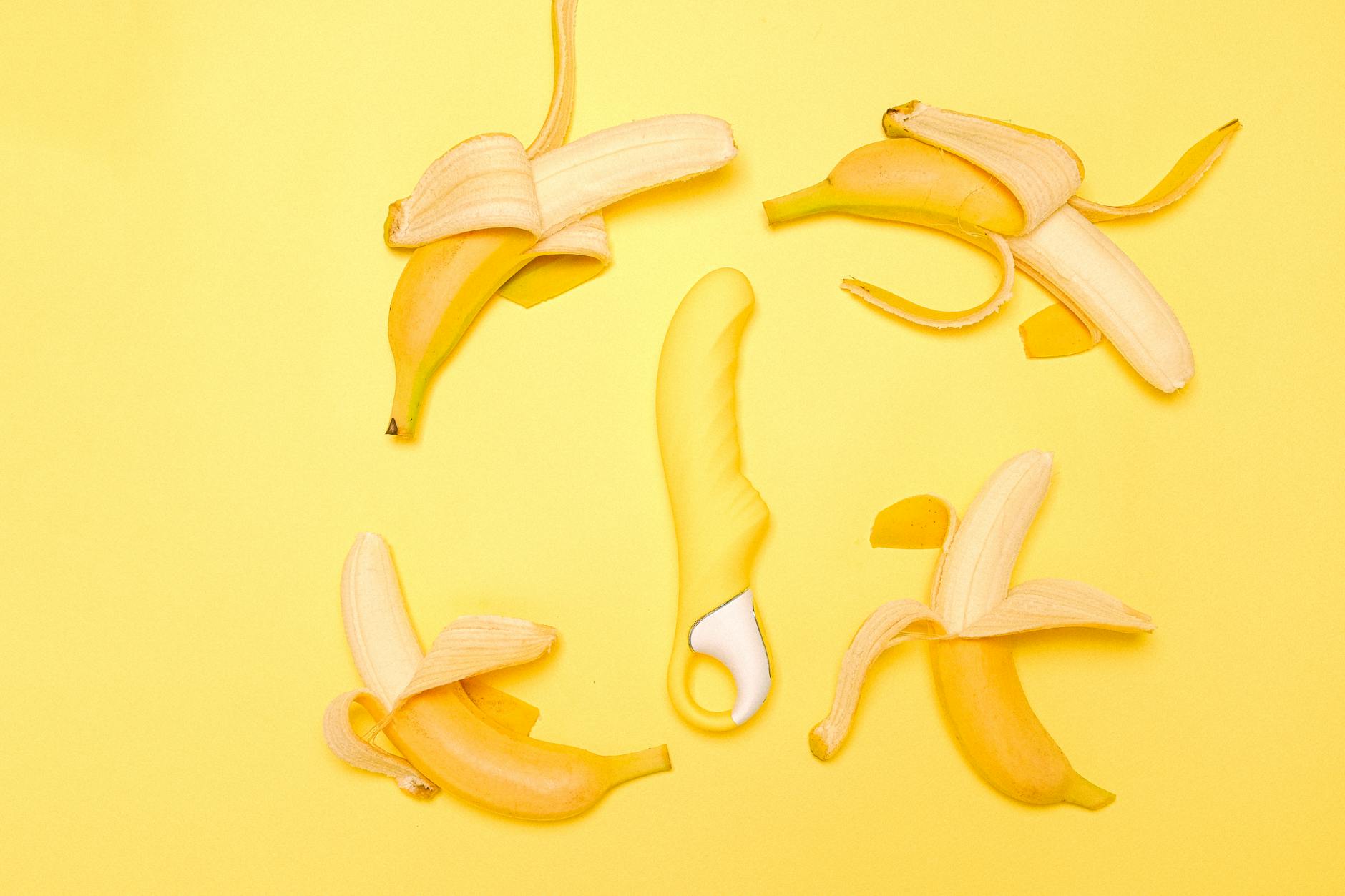
Then, add tools slowly. A lemon vibrator is perfect for this because the suction pattern creates sensation without the same intensity as direct vibration. You can start at the lowest setting and literally just hold it against your vulva for 30 seconds, noticing what happens. No orgasm pressure. No outcome goal. Just information gathering.
This phase usually lasts 1-3 weeks, depending on how long you were on medication and your baseline nervous system sensitivity.
Why lemon vibrators work better during this transition
Here's what I notice clinically: when people are rebuilding sensation, direct vibration sometimes feels too sharp or too much too fast. A lemon clitoral vibrator uses a different stimulation pattern. Air-pulsing technology creates a gentler suction rhythm that mimics oral sex patterns rather than straight vibration.
This matters for your nervous system because it allows for gradual arousal build. You're not shocking your body back into feeling. You're inviting it. The pattern itself is also more complex than simple vibration, which means your nervous system has more to "work with" in terms of sensation variety.
Start at setting 1. Stay there for full sessions. Let your body acclimate to the pattern before moving up. Many people find that they don't actually need to go higher than setting 3 or 4, even after weeks of use. Your nervous system is recovering, not starting from zero. Treat it accordingly.
Partner sex during this transition: the conversation that matters
If you're with a partner, this is where communication either breaks everything or saves everything. Here's what I recommend telling them: "My nervous system is recalibrating. That means my arousal might be slower. My sensation thresholds are different. And I need us to take this gradually together."
Then actually do it. Slower foreplay. Longer warm-up. Permission to use toys, which your partner might have felt threatened by before but suddenly becomes a practical tool rather than a replacement.
What partners sometimes miss: this isn't about them. It's not that you're less attracted or less into the relationship. It's that your body is literally rebuilding its connection to pleasure. That's a physical process, not a relational one. Separating those conversations prevents a lot of unnecessary resentment.
Many couples find that intentionally rebuilding pleasure together actually deepens their connection. You're learning each other's bodies again. You're communicating about sensation and desire explicitly. That vulnerability is powerful.
The patience part (which is the hard part)
Your brain might be ready for intensity before your nervous system is. This creates frustration. You might think: I'm off the medication now, why am I still numb?
Because neurochemical change isn't instant. Your brain is rewiring receptor sensitivity. That takes time. Some research suggests 6-12 weeks for full sexual sensation recovery, though many people notice significant improvement earlier.
What helps during this waiting period:
Stop measuring progress against your "before" baseline. You're not supposed to feel exactly like you did before medication. You're supposed to feel like you, now. Different doesn't mean broken.
Expect non-linear recovery. You might have a week where sensation feels great, then a week where everything feels muted again. That's normal. Your nervous system is rebalancing.
Try different times of day. Morning versus evening, stressed versus relaxed. Sensation sometimes returns in specific contexts first.
Stay consistent but not obsessive. Using a lemon vibrator every few days gives your nervous system consistent input to work with. Using it 4 times a day trying to force sensation usually backfires.
When to check in with a doctor
If you're 12+ weeks out and sensation still hasn't returned at all, or if you're experiencing pain that wasn't there before, talk to your doctor or a sex therapist. Sometimes post-SSRI sexual dysfunction lingers longer than expected, and there are strategies that help. Sometimes other factors are at play.
You're not complaining about nothing. Sexual wellness is part of overall wellness. A good provider takes that seriously.
The bigger picture: pleasure as a sign of healing
When pleasure starts returning, it's actually a positive indicator that your nervous system is healing. That's worth celebrating quietly. Your body is saying: I'm safe enough to feel good now. That's the point of getting off medication that wasn't serving you anymore. Not just to stop feeling bad, but to feel fully alive again.
A lemon clitoral vibrator is just a tool for that reconnection. The real work is patience, curiosity, and permission to rebuild pleasure on your own timeline. That timeline is never as fast as you want it to be. But it's always exactly as fast as it needs to be.