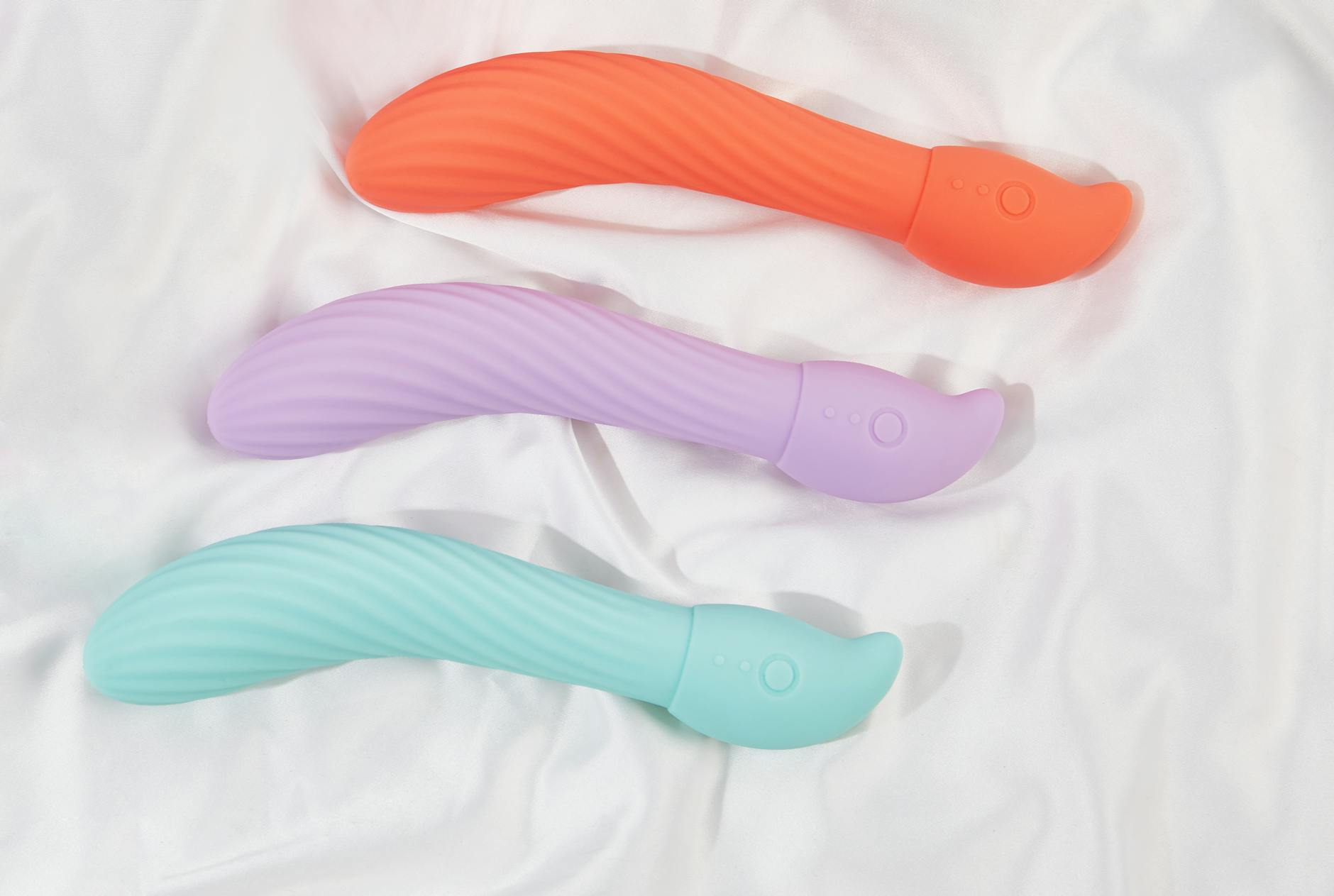
How to Recover Sexually After a Breakup With a Lemon Vibrator
Let's be real. After a breakup, your body feels like someone else's territory. Maybe you had a partner who touched you a certain way, initiated sex on their schedule, made you feel wanted or unwanted depending on the day. Now that person is gone, and your own hands feel like they belong to a stranger.
Breakup recovery usually means therapy, friend hangs, maybe some rage playlists. What it rarely means is rebuilding your relationship with your own pleasure. That gap is a problem because sexual confidence is part of emotional healing, not separate from it. When you stop touching yourself because it hurts too much to remember being touched by them, you're not protecting yourself. You're handing them power over your body even after the relationship ends.
Here's what I've learned working with dozens of people in this exact space: the path back isn't through forcing yourself to feel sexy again. It's through giving yourself permission to rediscover what feels good without apology, without an audience, without comparison. A tool like a lemon vibrator can be that permission slip. Not because you need a toy to be whole, but because sometimes external stimulation is exactly what breaks you out of the loop of shame or numbness.
The first stage: numbness is normal
Right after a breakup, many people report that sex feels flat. Not painful exactly, but hollow. Your body went through years of conditioning to respond to one specific person's touch. That neural pathway got strong. Now it's disrupted, and your nervous system doesn't know what to do with stimulation that isn't coming from them.
This is not dysfunction. This is grief. Your body is literally mourning the loss of physical intimacy, and numbness is one of grief's quieter faces. If you're in this stage, the goal isn't to feel amazing. It's to practice touch without expectation. That might mean gentle exploration, no pressure to orgasm, no outcome other than reconnection.
A clitoral vibrator can help because suction-based stimulation like what you get from a lemon vibrator creates sensation that's novel enough to bypass the old neural pathway. It feels different from a partner's hand or mouth. That difference can actually be useful. It says to your brain: this is new. This is yours. This is not a ghost.
The second stage: permission to feel selfish
Once numbness starts lifting (this can take weeks or months, there's no timeline), something else often emerges. Guilt. Guilt that you're enjoying yourself. Guilt that you're not thinking about your ex while you're touching yourself. Guilt that pleasure feels possible again, which somehow feels like a betrayal of the relationship or of the grieving process.
This is where people often get stuck. They buy a lemon vibrator, try it once, feel something, then don't use it again because the pleasure triggered shame. That's the breakup still holding your hand in the dark.
Here's the permission you need: your pleasure during a breakup is not a statement about your relationship. It's not saying the breakup was right. It's not saying you didn't love them or that you're over it. It's just saying you have a body that deserves attention. That's allowed. That's more than allowed. That's essential.
When you use a clitoral vibrator in this stage, you're doing something radically practical. You're rewiring the association between pleasure and their presence. You're building new neural pathways that lead to sensation independent of another person. This isn't romantic. It's healing. It's reclamation.
Practical: how to actually start
If you're buying your first lemon vibrator specifically for post-breakup exploration, here's what helps.
Start with lower intensity patterns. A lot of people come to suction toys after years of partnered sex where the pace was set by someone else. Your nervous system might be jumpy. Beginning at pattern one or two on a lemon vibrator gives your body time to recognize pleasure without overwhelming it. You can always increase intensity later.
Set a time that feels private and protected. Not rushed. Not squeezed between other tasks. Breakup sex recovery requires the same gift you'd give to anything that's healing. Space. You're not trying to orgasm on a schedule. You're trying to remember what your own pleasure feels like without an audience.
Use lubricant even if you don't think you need it. Breakup stress and cortisol can absolutely affect natural lubrication. A small amount of water-based lube removes friction, makes sensation cleaner, and removes one more variable that could trigger comparison or frustration.
Do not force an orgasm. This is not about coming. This is about sensation. If you orgasm, great. If you don't, also great. The goal is reconnection, not achievement. That distinction matters because achievement is what partnership often required. Solo recovery doesn't.
The third stage: pleasure becomes yours again
After a few weeks or months of gentle, consistent touch, something shifts. Your body stops being the place the breakup happened. It becomes the place you happen. Pleasure stops feeling like it belongs to them or is borrowed from them. It's just yours.
In this stage, people often get more curious. They explore different patterns on their lemon vibrator. They take longer. They figure out what angle works, what rhythm, what speed, what they actually like when they're not calibrating around someone else's preference. This is where sexual recovery becomes sexual rediscovery.
I've had clients tell me that after breakups, they had better orgasms than they did in the relationship. Not because the toy is magical, but because they were finally free to want what they wanted without negotiation. That's the real power of solo pleasure during recovery. It's not a replacement for partnership. It's a reminder that you are the baseline. You were never incomplete.
The tricky part: integrating pleasure if you're dating again
Some people move into new partnerships while they're still in this solo recovery phase. That's fine and normal. Here's what I often hear: after rediscovering your own pleasure with a lemon vibrator or clitoral vibrator, partnered sex can feel disappointing. It feels slower. Less intense. Different.
This is expected. You've been practicing pleasure on your own terms. A new partner doesn't automatically know what you learned about yourself. You have to tell them. That's actually easier than it sounds. You say: I found out during this past year that I really like [sensation] and [rhythm]. That information isn't a critique of them. It's a gift.
If your new partner responds well to that information, they'll want to explore it with you. A lemon vibrator becomes a tool you use together, not just alone. If they respond poorly, that tells you something important about whether this partnership is building on mutual pleasure and respect. Either way, you've already won. You know yourself again.
When pleasure hits and you're not ready
Sometimes during breakup recovery, you'll have a moment where pleasure comes back intensely and it feels like too much. Like it's not aligned with grieving. Like you're moving too fast, or being disloyal to the feelings you're still processing.
That's discomfort, not a sign you should stop. Healing doesn't move in straight lines. You can feel sad about a relationship and also feel your body coming alive again. Both are true. Both are allowed. When pleasure arrives earlier than your brain expected, it's okay to sit with that awkwardness for a minute. Feel the contradiction. Then let yourself have it anyway.
The long view
Breakup recovery isn't about erasing your ex. It's about taking your body back. That process takes months, not weeks. Some days you'll feel like you're starting over. Some days you'll feel like you're flying. A lemon vibrator or any clitoral vibrator is just a tool that helps you practice consistency during the uneven parts. It reminds you that pleasure is a choice you can make, not something that only happens to you.
When you come out the other side of breakup recovery, what you've built isn't just sexual confidence. It's the knowledge that you can be whole alone. Everything after that is a choice, not a necessity. That changes everything.
People also ask
Is it normal to use a vibrator after a breakup?
Completely normal. Breakup recovery is partly about grief, but it's also partly about rebuilding a relationship with your own body. Many people use clitoral vibrators during this time because solo pleasure helps rewire associations between sensation and self, not just sensation and a partner. A lemon vibrator can be especially useful because suction-based stimulation feels different enough from partnered touch to help your nervous system recognize something new.
How long after a breakup should I wait before trying a lemon vibrator?
There's no rule. Some people are ready in weeks. Some take months. The only guideline is that you should feel some openness to pleasure without it triggering overwhelming guilt or pain. If using a vibrator makes you cry because it reminds you of your ex, that's information that you need more time with grief before pleasure exploration. If you feel curious and a little nervous, that's usually the right moment to try.
Can using a lemon vibrator help me move on faster?
Not faster, but more effectively. Solo pleasure during breakup recovery isn't about rushing yourself out of sadness. It's about preventing breakup sadness from colonizing your relationship with your own body. When you practice self-pleasure with a lemon clitoral vibrator, you're building confidence that pleasure doesn't depend on having a partner. That confidence makes it easier to eventually date again without desperation, without people-pleasing, without needing someone to complete you.
What if I feel worse after using a vibrator?
That sometimes happens, especially early in recovery. Sometimes sensation brings up emotions that have been buried. If that happens, pause. Don't force it. Come back to it later. You might also want to talk to a therapist about what's surfacing. Breakup recovery involves emotional processing, and sometimes sexual recovery intersects with that in ways that need space to untangle.
Should I tell a new partner about my breakup healing practice?
You don't have to tell them, but you might want to. Not every detail, but something like: "I've been exploring what I like sexually during this past year, and I'd love to share that with you." That frames your solo practice as preparation for partnership, not a substitute for it. It also gives new partners information about your pleasure that they might otherwise have to guess about.
Can I use a lemon vibrator with a partner while I'm still healing from my ex?
Yes. In fact, some people find that introducing a lemon vibrator to a new relationship helps because it takes pressure off the new partner to perfectly replicate or replace what came before. A tool is a tool. It can be yours alone, or it can be part of partnered exploration. That's your choice, and the fact that you get to choose is part of the healing.