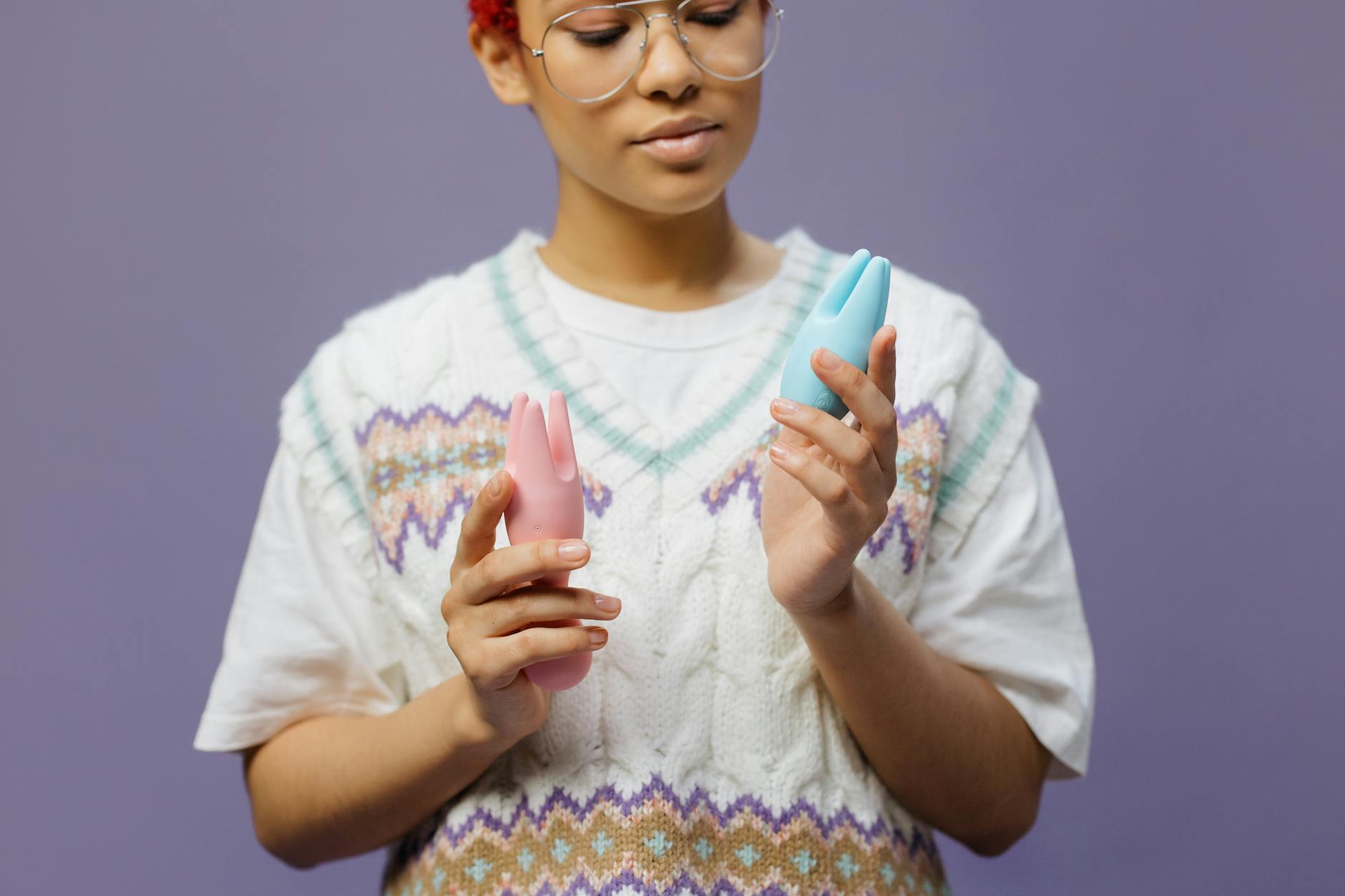
Let's be real about the awkwardness first
Introducing a vibrator into a partnership feels like it should be simple. One person wants to explore, or you both do, and you shop for a clitoral vibrator together. But something about the conversation often gets sticky. Maybe you're worried they'll feel inadequate. Maybe you're nervous about appearing too eager or kinky. Maybe you're not sure how to even bring it up without it feeling clinical or transactional.
Here's what I've learned after two decades working with couples: the discomfort isn't about the vibrator. It's about permission. Once you clear that hurdle, choosing a lemon clitoral vibrator or any pleasure toy becomes practical and even fun.
Why the conversation before the purchase matters more than you think
Buying a vibrator as a couple without talking first is like showing up to a vacation without deciding where you're going. You end up at someone else's destination.
The conversation doesn't need to be long. It needs to answer three things. First, what's the actual goal? Is this about solo pleasure, partnered play, trying something new together, or solving a specific challenge like difficulty reaching orgasm? Different answers lead to different tools. Second, what's the comfort level? Some people are ready to experiment; others need slower onboarding. Third, what does each person need to feel good about this? One partner might need reassurance that this isn't about replacement. Another might need explicit permission to ask for exactly what they want.
I usually suggest framing it like this: "I've been thinking about trying a vibrator because I want to explore more with you" or "Would you be open to experimenting together?" Not as a complaint or a critique. As an invitation.
The specific edge lemon vibrators have in partnerships
Lemon suction toys like the ones from Hello Nancy have an unusual advantage for partnered people new to toys: they don't look or feel like traditional vibrators. The suction sensation is gentler and more diffuse than buzzing stimulation. This matters because it often feels less intense or intimidating to a partner who's watching or participating for the first time.
With a traditional vibrator, there's sometimes an unspoken fear that it's "too much" or that watching creates pressure. Suction works differently. It's quieter. It's less visibly intense. And it often produces orgasms that feel more blended and less clinical, which means the whole experience feels less like medical equipment and more like shared exploration.
If this is your first vibrator as a couple, lemon clitoral vibrators are a smart entry point because they're forgiving. You can start on the lowest setting. The sensation builds gradually. And if it's not right, it doesn't feel like you chose wrong. It just wasn't the fit.
How to actually narrow down which lemon vibrator to choose
Once you've had the conversation, three things matter: size, noise level, and whether you want water resistance.
Size. Smaller lemon vibrators are easier to hold during partnered play and less visually overwhelming. The Lem vibrator from Hello Nancy is compact enough to work solo or with a partner without anyone feeling self-conscious. If you're both completely new to toys, starting small is actually easier. You can always upgrade to something larger once you understand what sensation you like.
Noise. This is the practical thing people don't talk about enough. Suction toys are quieter than standard vibrators, but some are quieter than others. If you live with housemates, have kids, or just want to keep things private, noise matters. Ask directly before you buy. Check reviews that mention sound. A silent device makes the whole experience less anxious.
Water resistance. Most quality lemon clitoral vibrators from reputable brands are water-resistant or fully waterproof. This isn't just for shower play. It makes cleaning simpler and extends the lifespan. In a partnership, easy cleanup matters because if someone has to do annoying maintenance, the whole thing feels less appealing next time.
The mistake most couples make when choosing together
One person picks. The other goes along. Then six months later, resentment builds because the person who didn't choose doesn't actually like it, and nobody talks about it.
Instead, both people should be able to veto. Not because you need total agreement on everything (you don't), but because this is about shared pleasure. If your partner hates the color or the shape or the sensation, that's information you need. Use it. Go back to the drawing board. Choose something you both feel genuinely curious about, not just resigned to.
If you're struggling to find something you both like, that's often a sign that the underlying conversation hasn't fully landed. One of you might still be uncomfortable. One might have expectations about how this should go. Name it directly. "I notice you seem hesitant. What's actually up?" Then listen without defending.
How to actually introduce a lemon vibrator into your intimate life
You've chosen. You've received the delivery. Now what?
Don't ambush it. Don't surprise your partner with it already in hand during a sexual moment. Instead, introduce it the same way you'd introduce anything new: with a conversation and an invitation. "I got the vibrator we talked about. Would you want to explore it together this weekend?" or "I'm going to try this solo first and let you know how I like it. You're welcome to watch if you want."
Start slowly. The lowest setting. Most people discover that suction feels best when you build up to it rather than starting at full intensity. Let your partner participate at their comfort level. Some partners want to hold it for you. Some want to watch. Some want to focus entirely on other touch while the vibrator does its thing. All of those are fine.
The first time is awkward. That's normal and doesn't mean anything is wrong. Second time is usually better. By the third time, most couples start to relax and actually enjoy it.
When to involve your partner more and when to keep it solo
Not every moment with a vibrator needs to involve your partner. In fact, some people find that solo exploration first actually strengthens partnered play because you understand your own body better. You know what pressure works. You know what rhythm feels good. You can then teach your partner instead of figuring it out together in real time.
I recommend this path for most couples: one person explores solo for a week or two. Gets curious. Figures out what they like. Then introduces it to partnered play. It takes the performance pressure off and makes the shared experience feel more informed.
The conversation starters that actually work
If you haven't had this conversation yet, here are real openers that land well.
"I've been thinking about trying a vibrator and would feel more comfortable if we explored it together rather than solo." This frames it as partnership, not replacement.
"I want to try something that might help me orgasm more easily. Would you be open to that?" This is direct and practical.
"I saw something about lemon clitoral vibrators and got curious. Have you ever thought about that?" This is light and inviting.
Follow up with genuine curiosity about their response. "What made you hesitate?" or "What appeals to you about trying?" Listen to the actual answer, not what you wish they'd said.
What happens after you've chosen and explored a bit
The real work starts once the novelty wears off. A vibrator doesn't fix a relationship that's struggling with desire or intimacy. It can help if both people are genuinely interested in exploring together. But if one person is using it as a workaround instead of addressing the actual gap between you, the vibrator becomes another source of resentment.
If pleasure feels complicated or disconnected in your partnership, that's worth naming directly. Not as blame. As reality. "I notice I feel rushed during sex" or "I'm not sure what I actually want anymore" are real problems worth discussing with each other or with a therapist who specializes in couples work. A vibrator can enhance what's already working. It can't replace actual connection.
Why choosing a lemon vibrator together matters more than you might think
Choosing together is an act of partnership. It's saying yes to knowing each other more fully. It's choosing trust over embarrassment. That willingness to be vulnerable together often spills into other parts of your relationship in surprising ways.
Most couples I work with who introduce pleasure toys together report feeling closer afterward. Not because of the vibrator itself. Because they practiced talking about desire. They practiced saying yes. They practiced being curious about each other instead of afraid.
So pick thoughtfully. Have the conversation. Choose a lemon vibrator that genuinely appeals to both of you. And then try something harder: stay curious about each other. That's the real tool.
People also ask
Can you use a vibrator with a partner if they feel insecure?
Yes, and the path forward is the conversation first. Insecurity usually isn't really about the vibrator. It's often about feeling inadequate or replaced. Address it directly: "I want this because I want more pleasure with you, not instead of you." Then show up and prove it by focusing on partnered play, not solo use. Over time, shared exploration usually reduces insecurity because you're doing it together.
What's the best lemon clitoral vibrator for beginners as a couple?
Start with something simple and mid-range. The Lem vibrator from Hello Nancy is designed to be intuitive. Quiet. Not overwhelming. Those qualities matter more for couples than having every possible feature. You want something you both feel okay spending time with, which usually means a smaller, quieter option.
Should both partners have orgasms during partnered vibrator play?
No. Partnered pleasure doesn't mean both people climax every time. Sometimes one person's pleasure is the focus. Sometimes you trade off. Sometimes the experience is about closeness, not orgasm. Talk about what you each want from a specific session instead of assuming it should look a certain way.
How do you bring up vibrators if your partner seems closed off to the idea?
Don't push. Instead, get curious about what they're actually worried about. "You seem hesitant. What's that about?" Listen without defending. Sometimes it's practical (noise, space, where to hide it). Sometimes it's emotional (fear of inadequacy, different comfort levels with sexuality). Those need different solutions. Practical concerns are easier to solve. Emotional ones take longer but matter more.
Is it better to choose a vibrator together or for one person to surprise the other?
Choose together. Surprising your partner with a sex toy can land as thoughtful or as presumptuous depending on your relationship and their personality. Most people feel more comfortable when they have input. It's not romantic to override someone's actual preference just to create a moment.
How long should you wait after choosing before trying a lemon vibrator together?
There's no timeline. Some couples want to use it immediately. Others need a week to think about it and get comfortable. Honor the person who needs more time. Rushing it creates resistance. Giving space builds anticipation and reduces pressure.
Resources and next steps
If you're looking for practical guidance on choosing together, how to use a lemon vibrator if you've never tried suction stimulation walks you through the actual mechanics. If you want to understand what lemon vibrators can do specifically, the complete guide to choosing your perfect clitoral vibrator breaks down design differences.
For deeper relationship work around desire and intimacy, that's therapy territory. A marriage and family therapist can help you and your partner develop a shared language around pleasure and work through whatever's blocking openness.
The vibrator is the easy part. The conversation, the vulnerability, the willingness to explore together. That's the real thing. Start there.