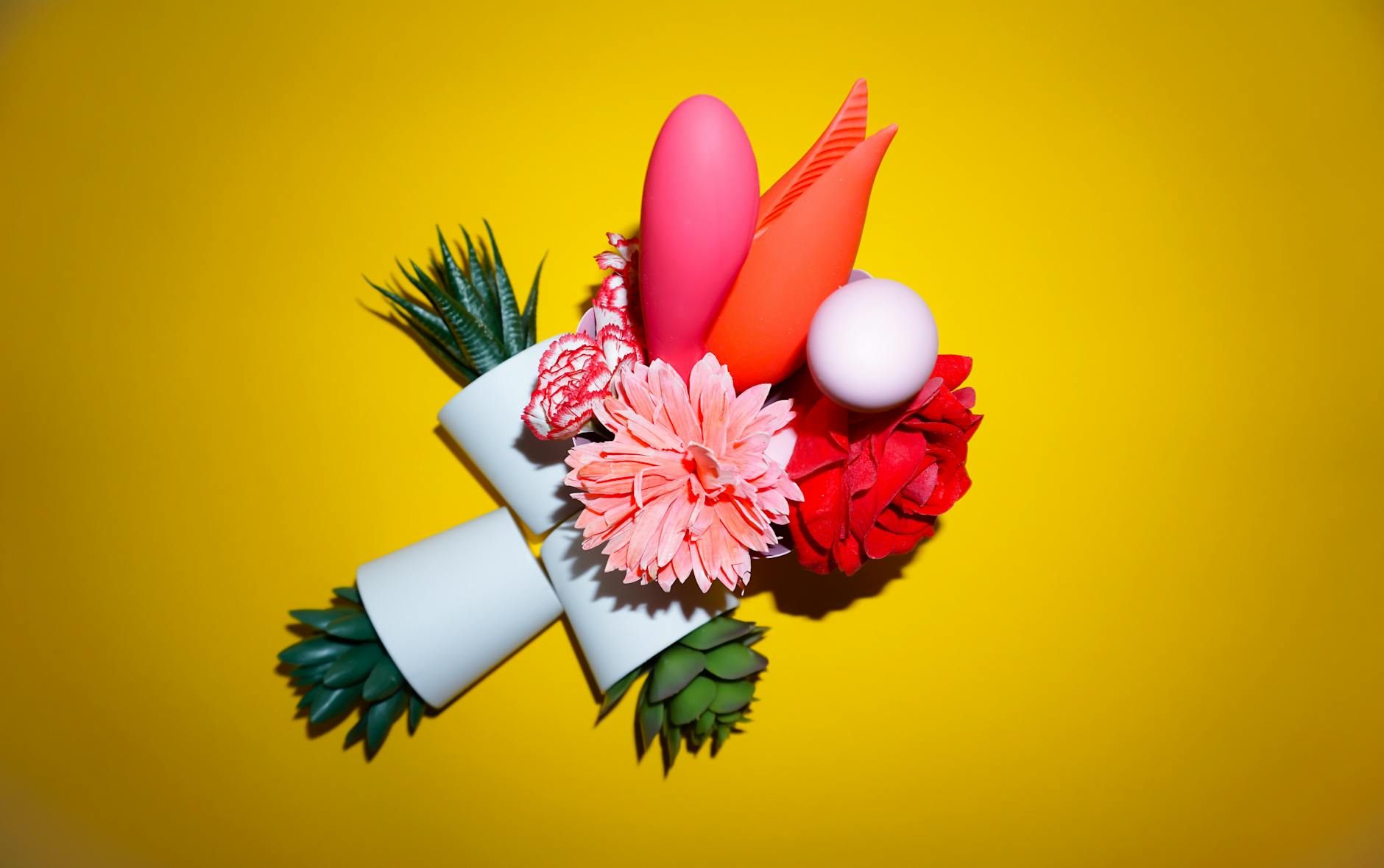
When illness steals your intimate life, coming back is harder than you think
Let's be real. When someone's been sick for weeks, months, or recovering from surgery, everyone talks about the physical healing. Nobody talks about the intimacy gap that opens up. You're cleared by your doctor. Your energy's mostly back. But the idea of sex still feels impossibly far away. And if you're partnered, that distance becomes its own kind of ache.
This is one of the most common crossroads I see in my practice, and it's almost never addressed directly. Partners assume they should just "get back to normal," but the nervous system doesn't work that way. Trauma (even medical trauma) rewires how your body responds to touch. Medication, fatigue, and fear of pain can linger long after the clinical recovery is "done."
The good news: you don't have to force your way back to what sex was before. You can build something gentler and often more connected. And lemon clitoral vibrators are one of the smartest tools for that bridge.
Why rebuild is not the same as return
When someone's been ill or recovering, a few things happen to the body that most people don't anticipate. First, the pelvic floor tightens as a protective reflex. Your body learned that something was wrong and has been bracing. Second, sensation deadens a bit. Pain medication, stress hormones, and time in bed all reduce sensitivity. Third, there's often lingering fear: fear of pain returning, fear of re-injury, fear of disappointing your partner.
That fear is real and it's protective. Your nervous system isn't being dramatic. It's trying to keep you safe.
Most people try to push through this with traditional approaches: regular sex, regular vibrators, the same rhythm as before. That almost always backfires. The pressure hijacks the nervous system. Performance anxiety kicks in. And suddenly pleasure feels less likely, not more.
Why lemon suction vibrators work for post-recovery intimacy
Unlike traditional vibrators, which rely on friction and pressure, lemon clitoral vibrators use gentle suction stimulation. Here's why that matters for someone rebuilding after illness.
First, suction doesn't require the same pelvic floor engagement. With wand or bullet vibrators, your body naturally tenses to stay in contact and build sensation. Suction works differently. It draws and releases, working with the nerve endings through negative pressure rather than mechanical buzz. This means you can stay more relaxed while still receiving strong stimulation.
Second, you control the intensity through breath and movement, not vibration level. The Lem, for example, has simple rhythm options, but the real intensity is governed by how you angle your body and how you move into and away from the suction. That element of control is psychologically powerful after illness. You're not at the mercy of a machine; you're in charge.
Third, suction feels less clinical and more like intimate touch. This matters more than people admit. After medical procedures or long illness, touch can feel contaminated by the medical environment. Suction feels like lips, like attention, like desire. It rewires the nervous system's association with pleasure at that specific area.
Fourth, it's genuinely enjoyable with a partner present or incorporated. Some couples find that one partner using a lemon vibrator while the other provides non-penetrative touch (kissing, stroking, connection) rebuilds intimacy faster than anything else. It's about presence, not performance.
The physical progression that actually works
I recommend a staged approach to rebuilding. This isn't arbitrary. It's based on how the nervous system heals.
Week one to two: Solo exploration with no agenda. This is about rediscovering sensation without performance pressure. Use the Lem on the lowest setting for short periods (five to ten minutes). The goal isn't orgasm. The goal is to feel curiosity again. If it feels good, great. If it feels numb, that's information too.
Week three to four: Start integrating with a partner's presence but not direct involvement. You're using the Lem alone while your partner is nearby, reading or just present. This rebuilds the idea that pleasure can coexist with partnership without needing to perform.
Week five onward: Add partnered touch. Your partner might caress your shoulders, kiss your neck, or hold your hand while you use the Lem. This is where the nervous system really starts healing. The brain gets the signal: pleasure and partnership are compatible. Fear softens.
This timeline isn't fixed. Some people move faster. Others need more time at each stage. Listen to your body's actual signals, not what you think should happen.
How to talk about this without making it worse
One of the biggest mistakes I see is silence. A partner recovers from surgery. Six weeks pass. Someone initiates sex. It doesn't feel the same. One or both partners blame themselves or each other. The disconnect grows.
Here's what works instead. Have the conversation before you try anything sexual. Something like: "I want us to reconnect physically. I'm not sure what that looks like yet, and I'm a bit nervous. I think we should experiment without any pressure. Can we try that together?"
Then explain what you want to try. If you're considering a lemon vibrator, name it. "I've read that some couples find suction toys help rebuild after illness because they take pressure off and feel less clinical. Would you be open to exploring that?"
Your partner might say yes immediately. They might need time to process. They might have their own fears about hurting you or doing something wrong. All of this is normal. The conversation is the thing that heals as much as the tool itself.
If you're the recovering partner, you also get to set boundaries. "I don't want to try penetration yet" or "I need you to check in with me every few minutes" are completely valid requests. Communicate them clearly. A partner who cares about you wants to know what you need.
What to expect the first time
Sensation might feel strange. Numb in some spots, hypersensitive in others. You might find yourself tearing up for no reason you can name. That's not a sign something's wrong. That's your nervous system releasing. Emotions are stored in the body, and pleasure is one of the ways we access and release them.
You probably won't orgasm the first time. That's fine. That wasn't the goal. The goal was safety and sensation. If you do orgasm, it might feel different than before. Shallower. More focused. Or wildly intense. All of these are normal as your body re-learns what it's capable of.
After, rest. Don't jump into conversation or overthinking. Just be together. Cuddle. Breathe. Let your nervous system integrate what just happened.
The emotional part that nobody warns you about
Rebuilding intimacy after illness often brings up grief. You grieve the body you had before. You grieve the ease of physical connection that you took for granted. You might feel resentment at your partner or at yourself for not being "back to normal" faster.
This is not a sign you should push harder. It's actually a sign you should slow down and process. Some couples find that talking to a therapist (sex therapist or couples therapist) during this phase is invaluable. Not because something's broken, but because illness changes you. Your relationship gets to change too.
The couples I've worked with who rebuild intimacy most successfully aren't the ones who rush back to what was. They're the ones who treat the recovery period as a reset. They ask themselves: what did we like before that we want to keep? What are we willing to let go of? What do we want to try that's new?
Lemon clitoral vibrators fit into this framework beautifully because they're genuinely different from what most people used before. They're not about getting back to normal. They're about building something intentional.
When to seek professional support
If physical pain persists during or after sexual touch, see a pelvic floor physical therapist. This is not something to power through. Pain during sex after recovery often signals that the pelvic floor is still in protective tension or there's scar tissue that needs attention. A specialist can help.
If emotional resistance to intimacy isn't softening after a few weeks of gentle exploration, couples counseling can help you and your partner work through the psychological pieces together. Sometimes the body heals faster than the mind, and that's completely legitimate.
If medication side effects are affecting sensation or arousal, talk to your prescribing doctor. Sometimes there are alternatives. Sometimes there are supplements or timing strategies that help. You don't have to accept sexual side effects as inevitable.
FAQ
Is it safe to use a lemon vibrator while still taking pain medication?
Generally, yes, as long as your doctor's cleared you for sexual activity. Pain medication can dull sensation, which is actually sometimes helpful during this phase because it takes pressure off performance. Just be aware that you might not feel pain signals as clearly, so start gently and check in with yourself frequently. If you're uncertain, ask your doctor specifically about sexual activity on your current medications.
How long after surgery or illness should we wait before trying the Lem or other lemon clitoral vibrators?
That depends on the specific surgery or illness. Most doctors give the all-clear for sexual activity at four to eight weeks post-surgery, but that varies widely. Don't guess. Ask your doctor directly. Once you have clearance, you can start with solo exploration whenever feels right emotionally. There's no rush.
What if my partner feels guilty about wanting sex during my recovery?
That's actually common and worth naming directly. Wanting physical connection to your partner is normal, not selfish. You can say something like: "I know I've been unwell, and I appreciate how patient you've been. I'm ready to explore physical connection again, even if it's different than before. I'd actually like to do this together." This reframes it from something they should feel guilty about into something you're inviting them into.
Can using a lemon vibrator during recovery help prevent sexual dysfunction later?
It can. Because suction vibrators work with the nervous system differently than traditional vibrators, they can help rebuild positive associations with sensation and pleasure during a vulnerable time. This often translates to easier, more satisfying sex later. That said, this isn't guaranteed. Everyone's different. But the research on how nervous system states during vulnerable periods shape future sexual response is encouraging.
What if sensation feels completely numb and the lemon vibrator doesn't help?
Numbing can last for months after significant illness or surgery. This is often related to medications, systemic inflammation, or nervous system dysregulation. Before assuming the Lem isn't for you, give it time and combine it with other nervous system healing: good sleep, movement you enjoy, stress reduction. If numbness persists beyond six months, talk to a doctor and consider seeing a sex therapist who specializes in sensation issues.
Is it normal to feel emotional or cry during or after using a lemon vibrator during recovery?
Completely normal. Your body stores trauma and stress. Pleasure is one of the ways it releases. Crying, feeling overwhelmed, or having emotions surface doesn't mean something's wrong. It means your nervous system is processing. Let it happen. Have tissues nearby. If the emotions feel overwhelming, slow down and talk to your partner or a therapist about what's coming up.
Rebuilding is its own kind of intimacy
There's a particular kind of closeness that happens when couples rebuild intimacy after illness. It's not the same as the ease you might have had before. But it's often more intentional, more communicative, and more resilient. You both know what it cost. You both know why it matters.
Lemon clitoral vibrators aren't magic, but they're a genuinely smart tool for this specific transition because they work with the nervous system rather than against it. They're forgiving. They're adjustable. And they feel less clinical than most approaches to rebuilding pleasure after medical disruption.
Start slowly. Communicate constantly. Be patient with your body and your partner's. The intimacy you build on the other side of recovery can be deeper than what came before. And that's worth the time it takes.