Here's what vaginismus actually is (and isn't)
Vaginismus is an involuntary tightening of the vaginal muscles that makes penetration painful or impossible. It's a reflex, not a choice, and it's wildly more common than you'd think. If your body has ever locked up during sex, or if you can't use tampons comfortably, or if the idea of penetration triggers panic, you're not broken. Your nervous system is doing exactly what it was wired to do: protect you.
But here's the thing that most doctors gloss over: vaginismus doesn't mean you can't experience pleasure. It means penetrative pleasure is off the table right now. Everything else is available.
This is where a lemon vibrator changes the conversation entirely.
Why penetration isn't the only path to pleasure
The clitoris has 8,000 nerve endings concentrated in a space the size of a pea. The vaginal canal has roughly 400. When vaginismus is in the picture, your nervous system has already decided penetration is a threat. Trying to override that with willpower, relaxation techniques, or a partner's reassurance rarely works. Your body doesn't negotiate with logic.
A lemon clitoral vibrator bypasses that whole conflict. It sends consistent, gentle stimulation directly to the most sensitive part of your anatomy without triggering the reflex that's been protecting you. Over time, this does something powerful: it teaches your nervous system that touch is safe again.

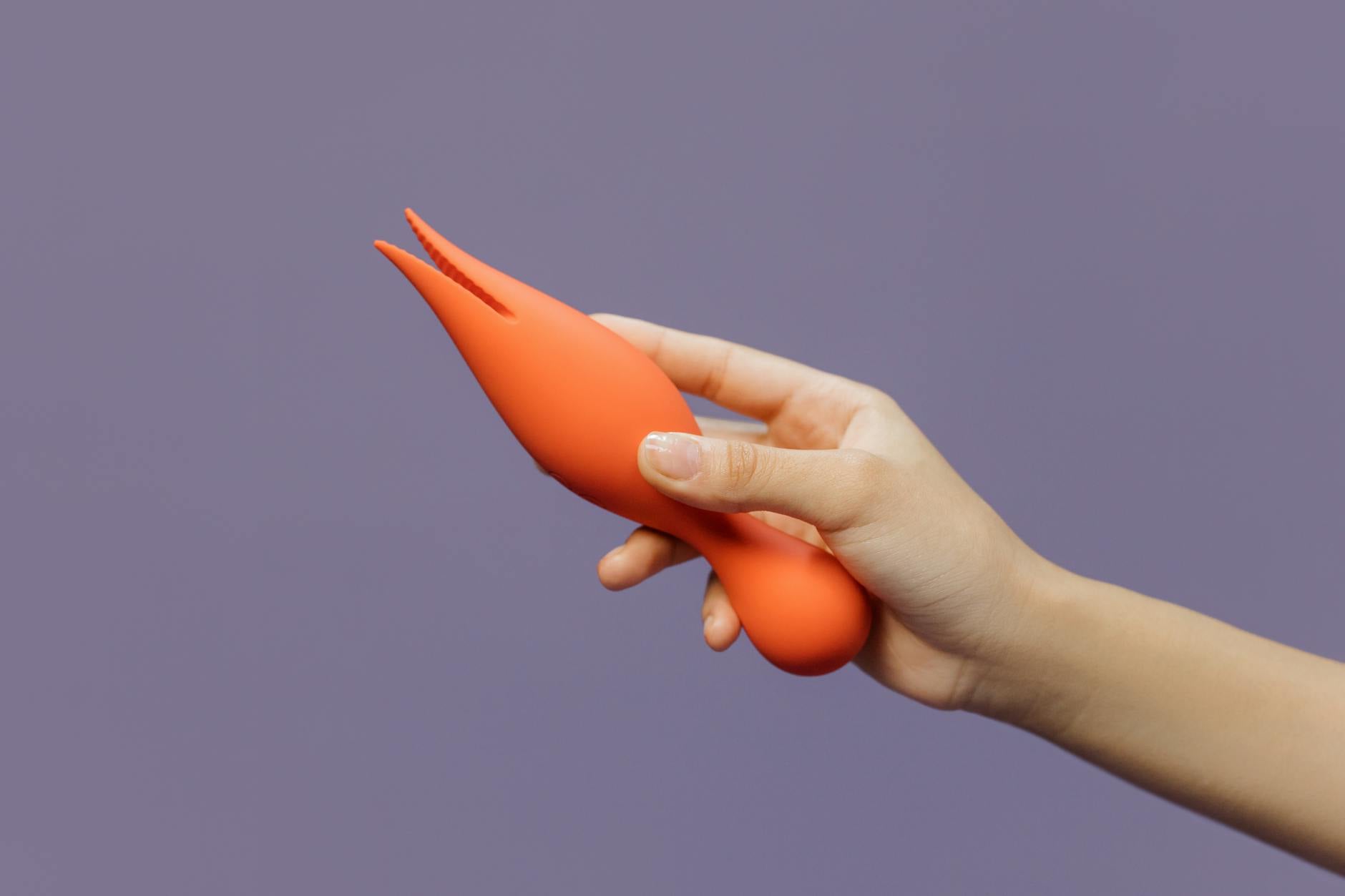
Photo by cottonbro studio on Pexels
The neurology of arousal and safety
Your pelvic floor muscles are controlled by your sympathetic nervous system. When you're in threat mode (stress, trauma, anxiety, or repeated pain), that system stays locked. Penetration attempts trigger the exact reflex pattern that's caused pain before. Your body is doing its job. The problem is that job isn't helpful anymore.
Clitoral stimulation with a lemon vibrator activates a different pathway. Suction-based vibrators like the Lem work particularly well because they create consistent pressure without the friction that can feel threatening. The pattern is predictable. The intensity is under your control. The stimulation is non-invasive. These three things are what your nervous system needs to downshift from threat mode to arousal mode.
When you orgasm with a lemon clitoral vibrator, you're not just experiencing pleasure. You're sending a signal through your nervous system that says: touch can feel good. Arousal is possible. Your body can let go. That signal compounds over weeks and months.
Starting with the right tool (and the right pressure)
Not every vibrator works for vaginismus. Wand vibrators are intense and require pressure. They can actually trigger pelvic floor tightening if you're already guarded. A lemon suction vibrator is different. The Lem, for instance, doesn't vibrate in the traditional sense. It uses air pulses to create gentle suction on the clitoris. The sensation is rhythmic, controllable, and feels less invasive than a traditional vibrator.
Start on the lowest setting. You don't need intensity right now. You need consistency and safety. Many people with vaginismus find that they can barely feel the difference between patterns 1 and 2 on a lemon vibrator at first. That's fine. Your nervous system needs time to trust the sensation.
Budget 20 to 30 minutes for your first session. This isn't about rushing to orgasm. It's about hanging out with arousal, noticing what feels good, and letting your body remember that pleasure exists without pain.
Building the arousal-safety connection
The clinical term for what's happening when you use a lemon clitoral vibrator while managing vaginismus is "systematic desensitization." Basically, you're retraining your nervous system to associate genital touch with safety instead of threat.
Here's what this looks like in practice. Week one might be exploring patterns on the lowest setting while fully clothed or with external stimulation only. Week two, you might spend time with the vibrator without any pressure to orgasm. Week three, orgasm might happen naturally. By week four or five, many people find that their body is genuinely relaxed in a way it hasn't been in years.
The timeline varies wildly. Some people see shifts in a month. Others take three or four months. The key is consistency and zero pressure. The moment you start thinking "I should be able to have an orgasm by now," you've reintroduced performance anxiety, which is the enemy of nervous system reset.
What changes in your body over time
As you use a lemon vibrator regularly with vaginismus, several things shift. First, your pelvic floor muscles learn to relax more easily. The constant tension that's been your baseline for years starts to ease. Second, your body remembers what arousal feels like without pain as a side effect. That memory is essential. Third, the panic response that used to arrive with any genital touch begins to quiet.
Some people find that after six to eight weeks of regular use with a lemon clitoral vibrator, they can tolerate a finger or a small toy in the vagina for brief periods. Others stay with external-only pleasure indefinitely, and that's completely valid. The goal isn't penetration. The goal is your nervous system learning that your body is safe.
The partner conversation (if that's relevant for you)
If you're partnered, vaginismus can feel like a failure of intimacy. It's not. It's a physiological response that has nothing to do with how much you care about your partner or how attracted you are to them.
Using a lemon vibrator solo first is important. You need to know what arousal and pleasure feel like when there's zero performance pressure. Once you've built that foundation, your partner can be involved, but the focus should stay on external pleasure, not penetration.
Many couples find that incorporating a lemon clitoral vibrator into partnered play actually deepens intimacy because it removes the tension around penetration attempts. Instead, you're focusing on what actually feels good. That's a huge shift.
When to bring in professional support
A lemon vibrator is a tool, not a cure. If your vaginismus is rooted in trauma, severe anxiety, or a deeply held belief that penetration is dangerous, a sex therapist trained in vaginismus can help you work through the psychological component while you're using the vibrator. Physical therapy for pelvic floor dysfunction is also worth exploring. Therapy and a lemon clitoral vibrator together move the needle faster than either alone.
You deserve pleasure. Your body isn't broken. And a path to that pleasure that doesn't require fighting your own nervous system is not just possible. It's waiting for you.
People also ask
Can you use a lemon vibrator if you have vaginismus?
Absolutely. A lemon clitoral vibrator is one of the safest tools for vaginismus because it provides non-penetrative stimulation that doesn't trigger the same protective reflex as penetration attempts. Start on the lowest setting and move at your own pace. There's no rush.
How long does it take to see improvement with a lemon vibrator and vaginismus?
Timeline varies, but many people notice meaningful shifts in pelvic floor tension and arousal capacity within four to six weeks of consistent use. Some take longer. Progress isn't linear. What matters is showing up without pressure.
Will using a lemon vibrator eventually make penetration possible?
For some people, yes. Regular use of a lemon clitoral vibrator can help your nervous system relax, which sometimes makes penetration tolerable or even enjoyable down the line. For others, clitoral pleasure stays the main event. Both outcomes are healthy and valid.
Should you use lube with a lemon vibrator if you have vaginismus?
You might not need it for external clitoral stimulation. If you do try any penetrative exploration later, water-based lubricant is essential. Vaginismus often comes with dryness because the body's in fight-or-flight mode. Lube removes friction and signals safety.
Can vaginismus cause other sexual problems?
Vaginismus often co-occurs with low desire, difficulty with orgasm, or anxiety around sex because your nervous system is overactive. A lemon vibrator can help reset some of that, but so can therapy, partner communication, and medical evaluation if hormonal factors are at play.
Is vaginismus the same as being asexual or having low libido?
No. Vaginismus is a physical reflex, not a reflection of desire. Many people with vaginismus have strong sexual desire. The disconnect between wanting sex and being able to have penetrative sex is one of the most frustrating parts. A lemon clitoral vibrator can help bridge that gap by offering pleasure that's actually accessible right now.