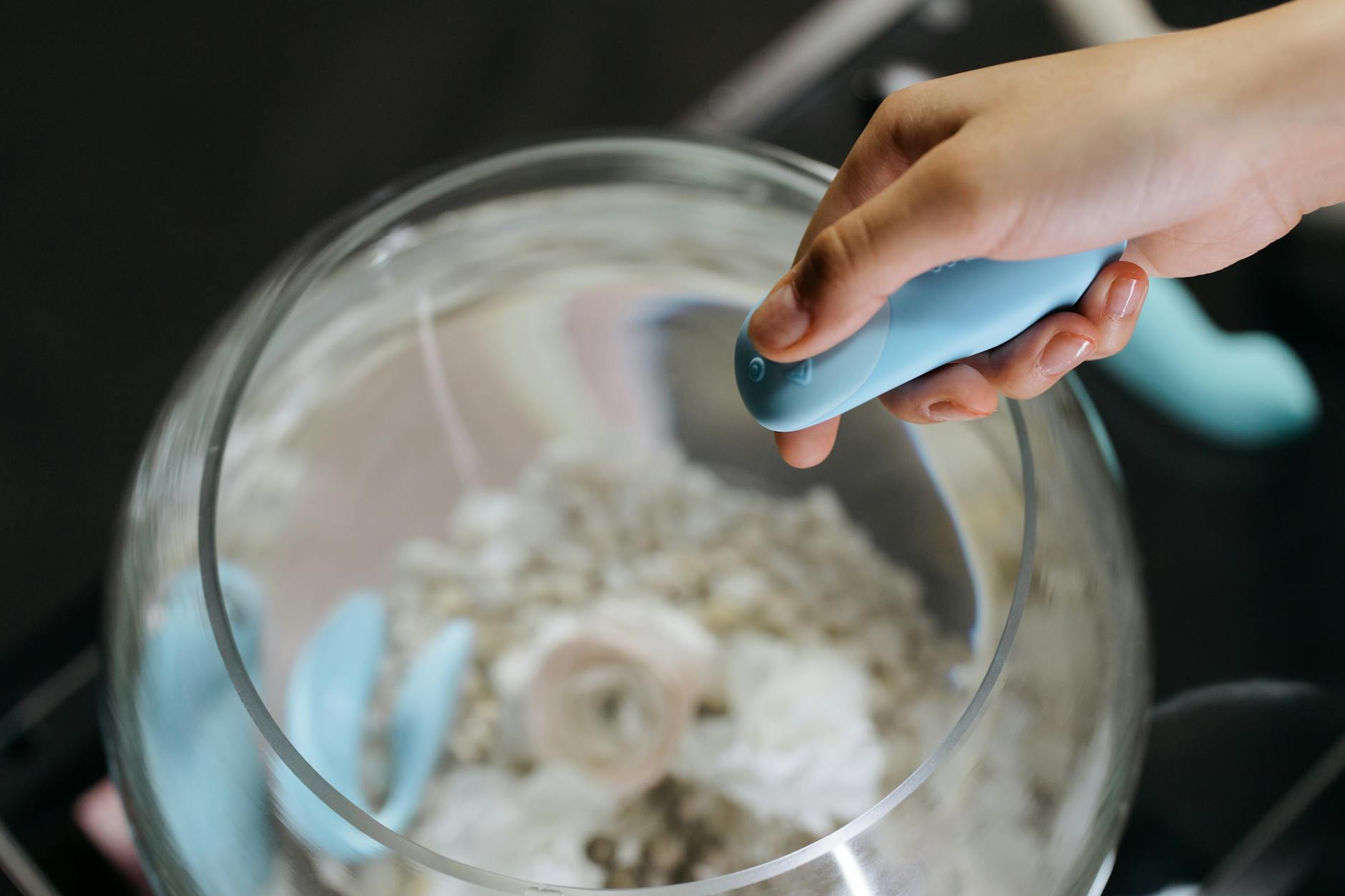
Can you actually use a lemon vibrator when you're pregnant?
Yes. For most people with uncomplicated pregnancies, using a lemon clitoral vibrator is safe. But there's a pretty big asterisk, and it matters.
I'm going to walk you through what the evidence actually says, when you need to pump the brakes, and honestly, what's worth asking your OB-GYN before you proceed. Because pregnancy kills a lot of things—sleep, your ability to find a comfortable position, your interest in pretty much anything—but pleasure doesn't have to be one of them.
What the research actually shows about vibrators in pregnancy
Here's the thing nobody tells you: there isn't a ton of clinical research on vibrator use during pregnancy specifically. That's not because it's dangerous—it's because it's awkward to fund studies on this topic and because doctors are weirdly uncomfortable asking pregnant people what they're doing for sexual pleasure.
But we do have good evidence on what matters. Orgasms during pregnancy are safe. Clitoral stimulation during pregnancy is safe. Vibration itself—the mechanical movement—poses no risk to the fetus. Your uterus is sealed. The amniotic sac is sealed. A vibrator cannot enter the uterus and there is no pathway for it to affect your baby.
What CAN be risky is introducing infection, creating uterine contractions you're not prepared for, or causing trauma to tissues that are already more fragile than usual. So the safety question isn't really about the vibrator. It's about how you're using it and whether your specific pregnancy has complications that change the math.
When you should absolutely check with your doctor first
Three situations where you need to get clearance before using a lemon vibrator or any clitoral vibrator:
You have a history of preterm labor or cervical insufficiency. Orgasms trigger mild uterine contractions. For most people, this is fine—the contractions are Braxton-Hicks style and fade. But if you're at risk for early labor, your OB-GYN needs to weigh in.
You're carrying multiples (twins, triplets, etc.). Pregnancies with multiple babies have different risk profiles. Orgasm-induced contractions might be treated more cautiously. Ask.
You have bleeding or placental issues like placenta previa. If you're bleeding during pregnancy or have placenta previa, penetration or intense stimulation could theoretically trigger more bleeding. Your doctor should clear this.
You're experiencing unexplained cramping or pain. If something feels off, don't introduce variables. Wait until you've talked to someone.
For straightforward, healthy pregnancies with no complications? Most OB-GYNs, when asked directly, say vibrators are fine.
Why the lemon vibrator works particularly well in pregnancy
A lemon clitoral vibrator uses suction stimulation rather than traditional vibration. This matters during pregnancy for a few practical reasons.
First, your tissues are more sensitive right now. Blood flow to the vulva increases dramatically during pregnancy. This is good news for sensation—many people say their clitoral vibrator feels more intense and more pleasurable while pregnant. But it's also why direct, intense vibration can feel overwhelming or even painful. The gentler pressure of a suction vibrator like the Lem gives you the same outcome with less direct friction.
Second, pregnancy shifts your center of gravity and makes certain positions uncomfortable. A hands-free, compact lemon sucker means you don't have to hold anything awkward or contort yourself. That matters when you're already dealing with a lower back that hates you.
Third, if you're new to suction stimulation, pregnancy is actually not a bad time to try it—because the increased blood flow means you'll likely feel it more distinctly than you would otherwise. This helps you figure out whether you even like this type of sensation before investing in something new postpartum.
The actual rules if you decide to proceed
Assuming your doctor has cleared you, here's how to use a lemon vibrator or any clitoral vibrator safely during pregnancy:
Start at a lower intensity than you normally would. Your tissues are more engorged and sensation is heightened. Pattern 1 or 2 on your device, not pattern 5.
Stop if you feel intense cramping. Light cramping after an orgasm is normal. Intense, sustained cramping isn't. If you feel it, stop and rest. Drink some water. If it doesn't ease within a few minutes, contact your provider.
Never insert anything. This applies to all penetrative toys during pregnancy, especially if you're at any risk. Stick to external stimulation only.
Keep your vibrator clean. Pregnancy immune systems are suppressed. Infections are more serious. Wash your vibrator with warm soapy water before and after use. Store it in a clean place.
Check in with how you feel emotionally. Pregnancy is weird. Hormones are everywhere. If using a toy stops feeling good or starts feeling weird, you don't have to keep doing it. Your pleasure is not a obligation.
What to do if your OB-GYN gets weird about this
Look. I've worked with plenty of pregnant people who mention vibrators to their doctor and get a vague "well, it should be fine" that basically means "I'm uncomfortable and don't want to talk about this."
That's on them, not you. Your sexual pleasure is part of your overall health. If your doctor won't discuss it clearly, you have options. You can ask directly: "Is vibration itself safe during pregnancy, or is there a specific concern I should know about?" You can request a conversation with a maternal health specialist or a midwife if your practice has one. You can see a reproductive endocrinologist or a sex-positive OB-GYN if you need a second opinion.
Pleasure during pregnancy matters. It reduces stress, which is genuinely protective for fetal health. It maintains intimacy with your partner if you have one. It helps you stay connected to your body while it's doing something absolutely wild.
If your current provider won't engage with that, find one who will.
The postpartum piece (because it matters now)
One thing I usually mention to pregnant people: if you don't have a lemon vibrator yet and you're thinking about getting one, pregnancy is not the time to experiment with something totally new that you're still learning. If you already use a clitoral vibrator and you love it, then yes, pregnancy use is likely fine and worth discussing with your provider.
But if you're starting from scratch, wait until postpartum. Give yourself six weeks (eight if you had a C-section) before reintroducing vibrator use. Your tissues need to heal. Then you can start fresh with something like the Lem and actually figure out what you like without the pregnancy variables in the mix.
That said, if you're already familiar with suction vibrators, you probably know by now whether they're your thing. In that case, exploring how vibrators feel different over 40 becomes less relevant while you're carrying, and the sensory heightening of pregnancy actually works in your favor.
What about contractions? Should I worry?
Orgasms cause Braxton-Hicks contractions. Braxton-Hicks contractions are not labor contractions. They're your uterus practicing. They happen during pregnancy naturally, all the time, especially toward the end.
The clinical consensus is that if you're not at risk for preterm labor, orgasm-induced contractions are harmless. They might feel stronger than usual during pregnancy (because, again, more blood flow), but stronger isn't dangerous.
If you're worried, you can mention it to your provider. They can tell you specifically whether contractions are something to monitor in your case. But in a healthy pregnancy, this is not a reason to avoid pleasure.
FAQ: Pregnancy and Clitoral Vibrators
Can using a lemon vibrator cause a miscarriage?
No. Vibration cannot cause a miscarriage. Miscarriage happens because of chromosomal issues, infections, or other factors completely unrelated to external stimulation. The suction stimulation of a lemon clitoral vibrator cannot reach your uterus or affect the pregnancy itself.
Is it safe to use a vibrator if I'm spotting or bleeding during pregnancy?
Not without talking to your doctor first. Light spotting is sometimes normal early in pregnancy, but bleeding always warrants a conversation with your OB-GYN before you introduce any new stimulation. They need to rule out conditions like placenta previa or cervical issues where vibrator use could aggravate bleeding.
Will using a vibrator during pregnancy make my baby come early?
No. Orgasms and vibration do not trigger premature labor in healthy pregnancies. They can cause Braxton-Hicks contractions, which are not labor. If you're at genuine risk for preterm labor, your doctor will tell you to avoid orgasm entirely as a precaution. Otherwise, this is not a real risk.
What if I'm embarrassed to ask my OB-GYN about vibrator use?
Don't be. OB-GYNs have heard everything. They deal with pregnant people's sexuality every single day. If asking directly feels too awkward, write it down. "Is it safe for me to use a vibrator during pregnancy?" Ask your partner to ask. Use an online patient portal message. But ask. Your pleasure matters, and your doctor should treat it as a legitimate health question.
Should I stop using my vibrator if I start feeling uncomfortable during pregnancy?
Absolutely. Pregnancy changes what feels good week to week sometimes. If your clitoral vibrator felt amazing at 12 weeks and suddenly feels overwhelming at 24 weeks, you don't have to keep using it. Your pleasure should feel genuinely good, not like an obligation. If you're new to suction vibrators entirely, understanding how they work helps you know if the discomfort is normal adjustment or a sign to stop.
Is it better to use a vibrator or have partner sex during pregnancy?
Neither is "better." They're different. Penetrative sex during pregnancy can be complicated depending on your pregnancy specifics. A vibrator removes some of those variables and lets you focus on clitoral pleasure, which is often less complicated anatomically. Use whatever feels good and your doctor has cleared. If you want both, have both.
The bottom line
A lemon vibrator is safe during pregnancy for most people. But "safe" requires three things: an uncomplicated pregnancy, an honest conversation with your OB-GYN, and listening to your body if something doesn't feel right.
Pleasure during pregnancy isn't frivolous. It's part of staying connected to yourself while your body does something profound. Use your vibrator. Enjoy it. And if you need clarity from your provider, ask. You deserve an answer that actually addresses your question, not a vague wave-off.
If you have specific health concerns or a complicated pregnancy, reach out to our team. We can't replace medical advice, but we can point you toward resources and help you feel less alone in asking these questions.